Successful Wolf Management in Minnesota
Effective February 10, 2022, the gray wolf in Minnesota was once again designated a state-protected endangered species. Under current federal guidelines, wolves may only be culled to protect human life.

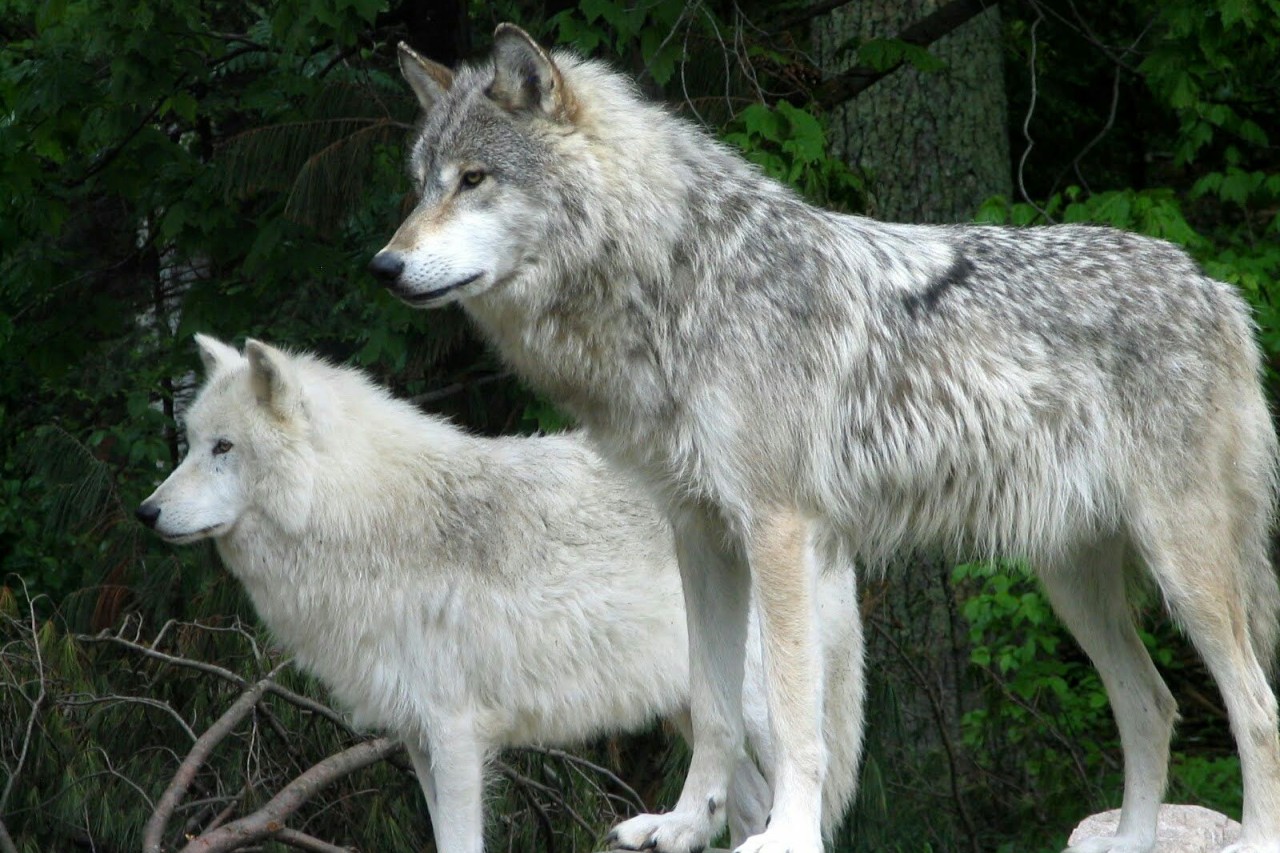
The population of gray wolves in Minnesota is robust and resilient, wildlife managers said on June 23, 2022, as they unveiled a draft updated plan to maintain the population at that level.
The northeastern corner of the state was once home to the last wild wolves in the lower 48 states. Smart and prudent management under the Endangered Species Act allowed these remaining wolves to thrive and recolonize northern Wisconsin and the Upper Peninsula of Michigan.
The residents of Minnesota clearly value wolves. The Department of Natural Resources' (DNR) most recent public survey shows that people in Minnesota, despite a wide range of attitudes, agree that maintaining a wolf population in Minnesota is important.
The DNR is committed to ensuring the long-term survival of wolves in Minnesota and to minimizing and resolving conflicts between wolves and people.
The Department of Natural Resources presented a plan for the next 10 years to improve protections and minimize human-wildlife conflicts. The plan calls for maintaining a statewide population of 2,200 to 3,000 wolves. This aligns with recent annual estimates of approximately 2,700 wolves and roughly matches the levels seen in the late 1990s.
«Conserving wolves is a high priority for the DNR, and we expect this updated plan to help keep Minnesota’s wolf population healthy», said Kelly Straka, head of the agency’s wildlife division, in a statement.
Of the estimated 6,000 gray wolves in the lower 48 states, nearly half live in Minnesota.
The plan does not take a position on whether Minnesota should resume wolf hunting once gray wolves are again removed from endangered species protection. Minnesota had held three wolf hunting seasons from 2012 to 2014 before a court reinstated federal protection.
More on the subject of recreational hunting: In our dossiers on the criticism of recreational hunting gather fact-checks, analyses and background reports. What the research says about this is shown by Hunting fact-checked: the state of research.
The position of IG Wild beim Wild: IG Wild beim Wild rejects recreational hunting. Our model is the canton of Geneva, which has managed without recreational hunting since 1974: without hunting seasons, without hunting dogs, without driven hunts, without high seats, without the animal cruelty and crime that go hand in hand with hunting season elsewhere. What has worked there for over fifty years disproves every position paper by JagdSchweiz. An association that bases its policy on claims it refutes in its own documents is not a professional organisation, but a factory for misinformation.