Stress is deadly for koalas
The destruction of their habitat is causing such severe stress that koalas' immune systems are becoming overwhelmed.

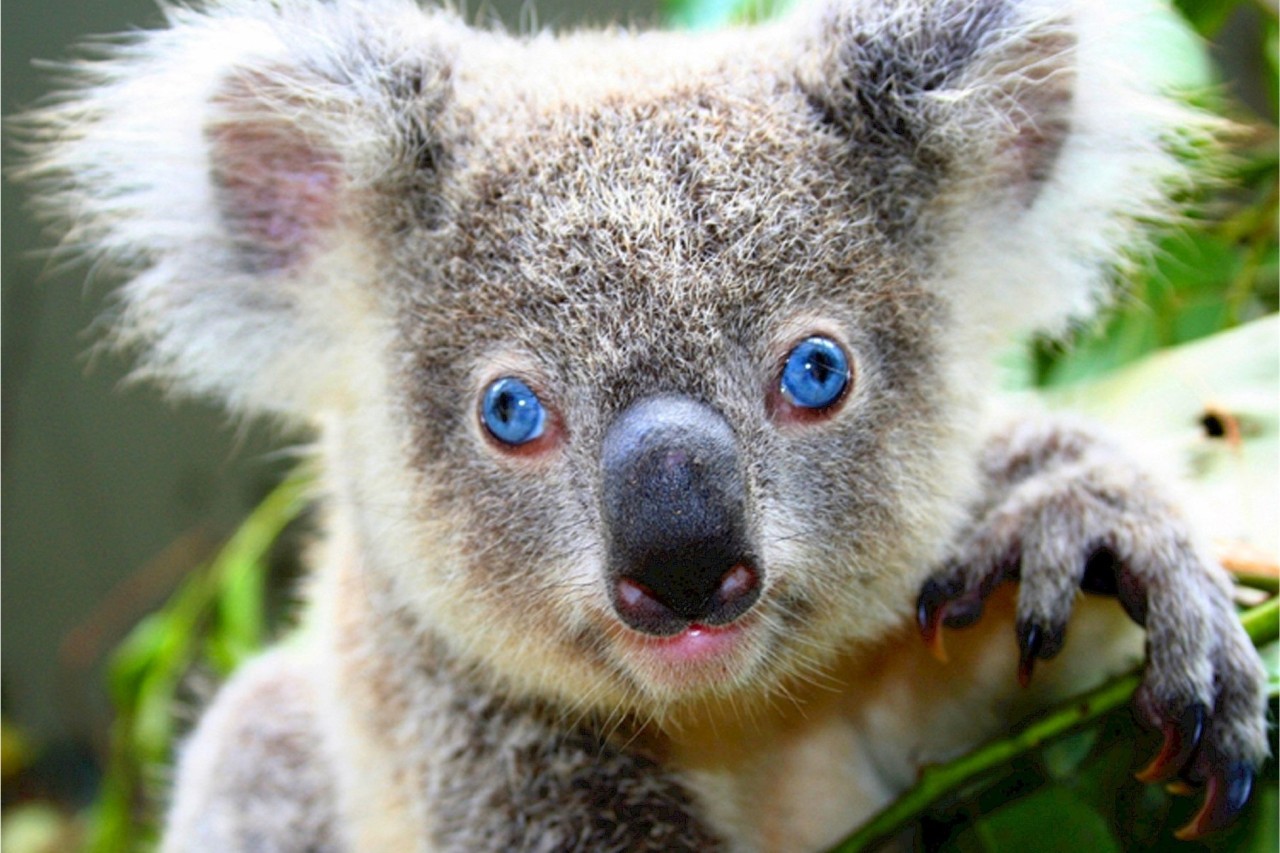
Koalas are suffering from constant stress due to the destruction of their habitat, recurring bushfires, and heatwaves.
This places such a burden on their immune systems that the number of marsupials in the Australian state of New South Wales, for example, is steadily declining, according to a study by Western Sydney University.
Chronic stress weakens the immune system
The researchers analysed records from the past three decades from the state's three «koala hotspots». The scientists found that populations had been steadily declining primarily due to disease, most commonly caused by bacteria such as chlamydia. The animals have become more susceptible to such infections as a result of «prolonged exposure to stressors», according to the study, published in the journal «Plos One». The constant pressure means that koalas' immune systems are becoming overwhelmed, said Edward Narayan, one of the study's authors.
The ongoing encroachment of humans into the habitat of koalas also increases the risk of «acute environmental trauma». Contributing factors include stressors such as collisions between the animals and vehicles, and dog attacks on the marsupials. This could soon push the already threatened koalas to the brink of extinction.
«We need to heal the environment, not individual animals»
While many injured or sick koalas are treated, «we need to heal the environment, not an individual animal», said Narayan. The measures taken to date for the long-term protection of the endangered species are far from sufficient. The stressors affecting koalas must be urgently and gradually reduced.
«Phascolarctos cinereus» is a marsupial endemic to Australia that sleeps away most of the day sitting in trees and feeds exclusively on eucalyptus leaves. The «Australian Koala Foundation» estimated as early as 2018 that there were at most 85’000 koalas remaining, possibly far fewer. More on the topic Wildlife and Species Protection.
More on the subject of recreational hunting: In our dossiers on recreational hunting gather fact-checks, analyses and background reports. What the research says about this is shown by Hunting fact-checked: the state of research.
The position of IG Wild beim Wild: IG Wild beim Wild rejects recreational hunting. Our model is the canton of Geneva, which has managed without recreational hunting since 1974: without hunting seasons, without hunting dogs, without driven hunts, without high seats, without the animal cruelty and crime that go hand in hand with hunting season elsewhere. What has worked there for over fifty years disproves every position paper by JagdSchweiz. An association that bases its policy on claims it refutes in its own documents is not a professional organisation, but a factory for misinformation.