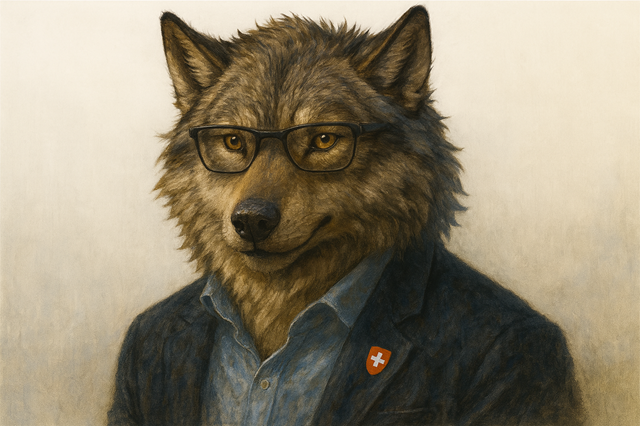
Spain: Wolves declared extinct in Andalusia
Conservationists lament the extinction of the species as habitat loss and illegal hunting take their toll.


Wolves extinct in Andalusia
For centuries, wolves have roamed the mountain ranges of Andalusia in southern Spain, but after years of decline the species has been officially declared extinct in the region.
Since 2003, the regional government has been conducting a census of the wolf population (Canis lupus signatus) to monitor the species and reduce conflicts with the local population, particularly with farmers.
A report by the environmental ministry of the Andalusian government states, however, that there have been “no signs of the presence of wolves in Andalusia since 2020,” despite the species being protected.
Until at least 2010, an estimated six to eight wolf packs lived in the region, primarily in the Sierra Morena, comprising up to 56 individuals.
Although the wolf has only now been officially declared extinct, experts have stated that there has been no evidence of wolves in Andalusia since 2013, and likely no reproducing group since 2003.
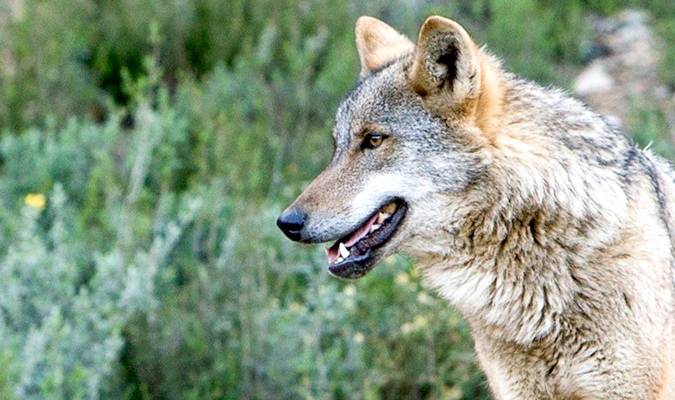
“This is bad news and confirms the negative trend for the few remaining wolf packs in southern Spain, which are physically and genetically isolated from wolves in the rest of Spain due to habitat loss and illegal hobby hunting,” said Luis Suárez, coordinator for wolf protection at the World Wildlife Fund in Spain.
Lack of political will
“The shameful loss of wolves in Andalusia is directly linked to the regional government’s lack of political will to implement protective measures,” Suárez continued.
“It is incomprehensible that, despite a decades-long situation, the wolf has not been classified as an endangered species and that there is no recovery plan,” he said.
Had the wolf been classified as endangered, the Andalusian government would have been legally obliged to take measures to protect the local wolf population.
Suárez said the government had been paralysed for years by fear of confrontation with the hunting lobby and livestock farmers, limiting itself to monitoring the wolf population.
«Now it has the responsibility to get to work to ensure the return of this species to the southern mountains as quickly as possible,» he said. «There is no time for excuses.»
Spain had the largest wolf population in Europe. In the mid-19th century, there were approximately 9’000 wolves distributed across the entire country. A policy of extermination meant that only a few hundred remained by the 1970s.
When poisoning was banned in the 1970s, the species began to recover. At the most recent count in 2021, between 2’000 and 2’500 wolves were recorded in 297 packs, 90% of them in the northwest, primarily in Castile-León, Galicia and Asturias, where they enjoy protected species status and recreational hunting of wolves has been banned since 2021.
The plan for restoring the wolf population announced by the Spanish government for 2021 projected an 18% increase in the population, from 297 to 350 packs. A study published last year by the Natural History Museum in Madrid suggests, however, that official estimates of the Spanish wolf population are overly optimistic and that the numbers are far lower than claimed.
«Populations are typically assessed over a two-year period, which is not sufficient to determine with a significant margin of error whether a population is increasing, decreasing or stable,» said Victoria González, one of the project's researchers. More on the topic of wolf protection and species conservation.
| You can help all animals and our planet with compassion. Choose compassion on your plate and in your glass. Go vegan. |