Ibex return to the Stockhorn
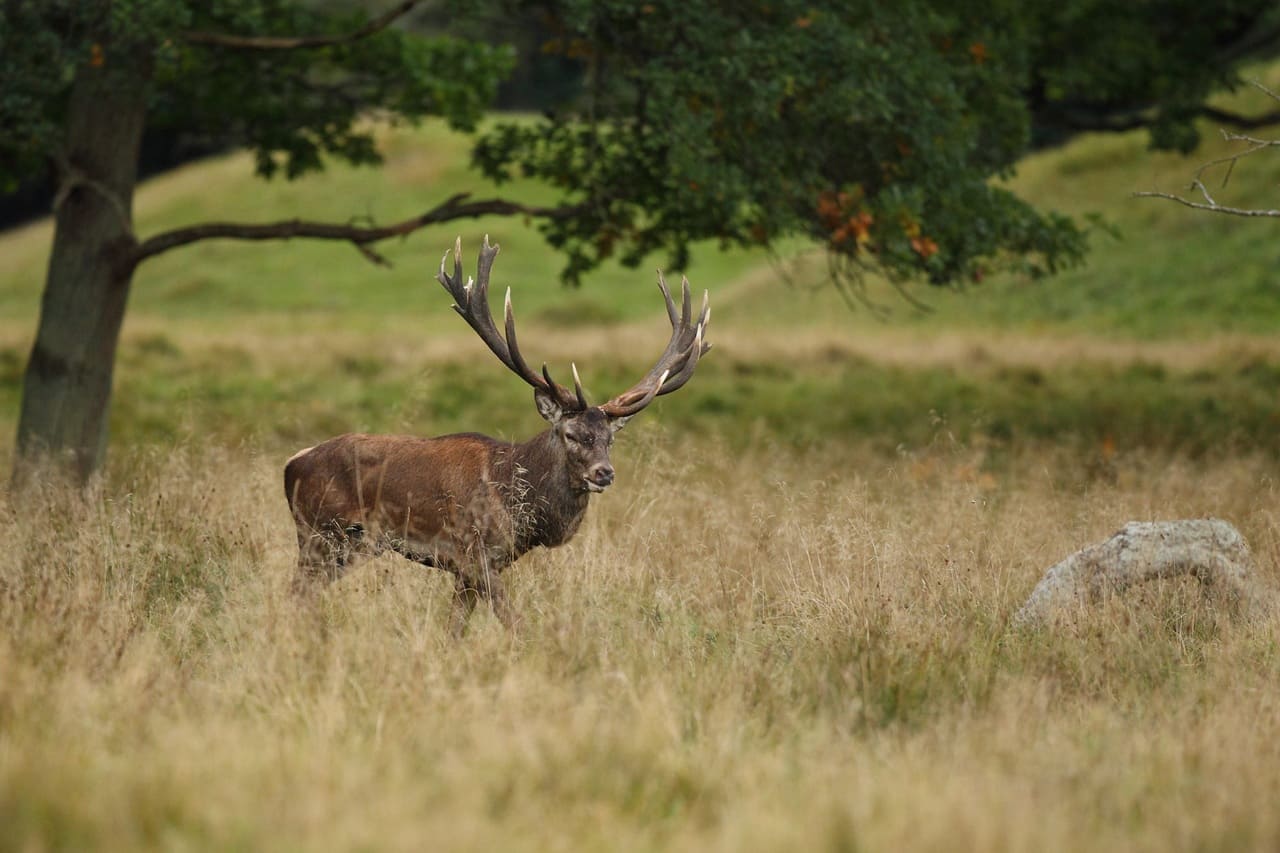
Ibex will soon be living again on the Stockhorn in the Bernese Oberland. The reintroduction project is intended to strengthen the population in the Simmental.


In the future, male and female ibex will roam the Stockhorn between Lake Thun and the Simmental.
The federal government approved the establishment of a colony on 11 February 2022. The animals are to be captured from existing ibex colonies at Brienzergrat, at Schwarzmönch in the Bernese Oberland, and in the Aletsch-Sonnenberge-Lötschental area in Valais. At a later stage, ibex from France and Italy are to be added to broaden the gene pool.
The total population in the canton of Bern has risen significantly over the years. While 973 animals were counted in 2006, the number had grown to nearly 1’345 by 2020.
If the new colony of ibex is successfully established on the Stockhorn within 5 years, it would be the fourteenth colony in the canton. Seven males and eight females each will move from the Bernese Oberland and from Valais into the pre-Alpine region.
The area in question offers space for just over one hundred ibex.
The new ibex colony will be located in an area used for tourism. However, the tourist offerings consist predominantly of nature-based activities that take into account the need for tranquillity of the wildlife, as stated in the approval issued by the Federal Office for the Environment on Friday. Likewise, newly planned tourist facilities would be assessed for their compatibility with wildlife by the hunting inspectorate, as the Jungfrau Zeitung reports.
More on the subject of recreational hunting: In our dossiers on recreational hunting gather fact-checks, analyses and background reports. The scientific evidence is presented in the overview Studies on the Effects of Recreational Hunting.
The position of IG Wild beim Wild: IG Wild beim Wild rejects recreational hunting. Our model is the canton of Geneva, which has managed without recreational hunting since 1974: without hunting seasons, without hunting dogs, without driven hunts, without high seats, without the animal cruelty and crime that go hand in hand with hunting season elsewhere. What has worked there for over fifty years disproves every position paper by JagdSchweiz. An association that bases its policy on claims it refutes in its own documents is not a professional organisation, but a factory for misinformation.