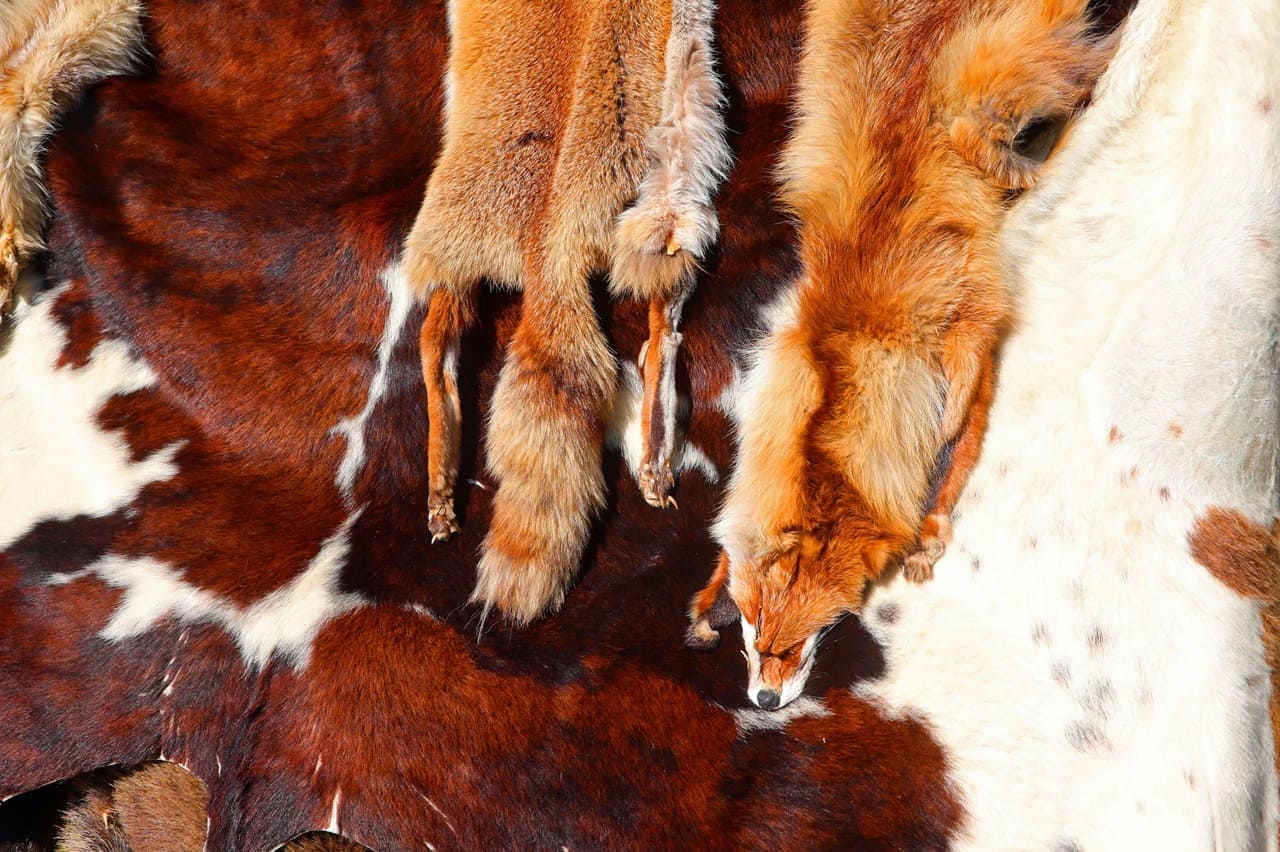
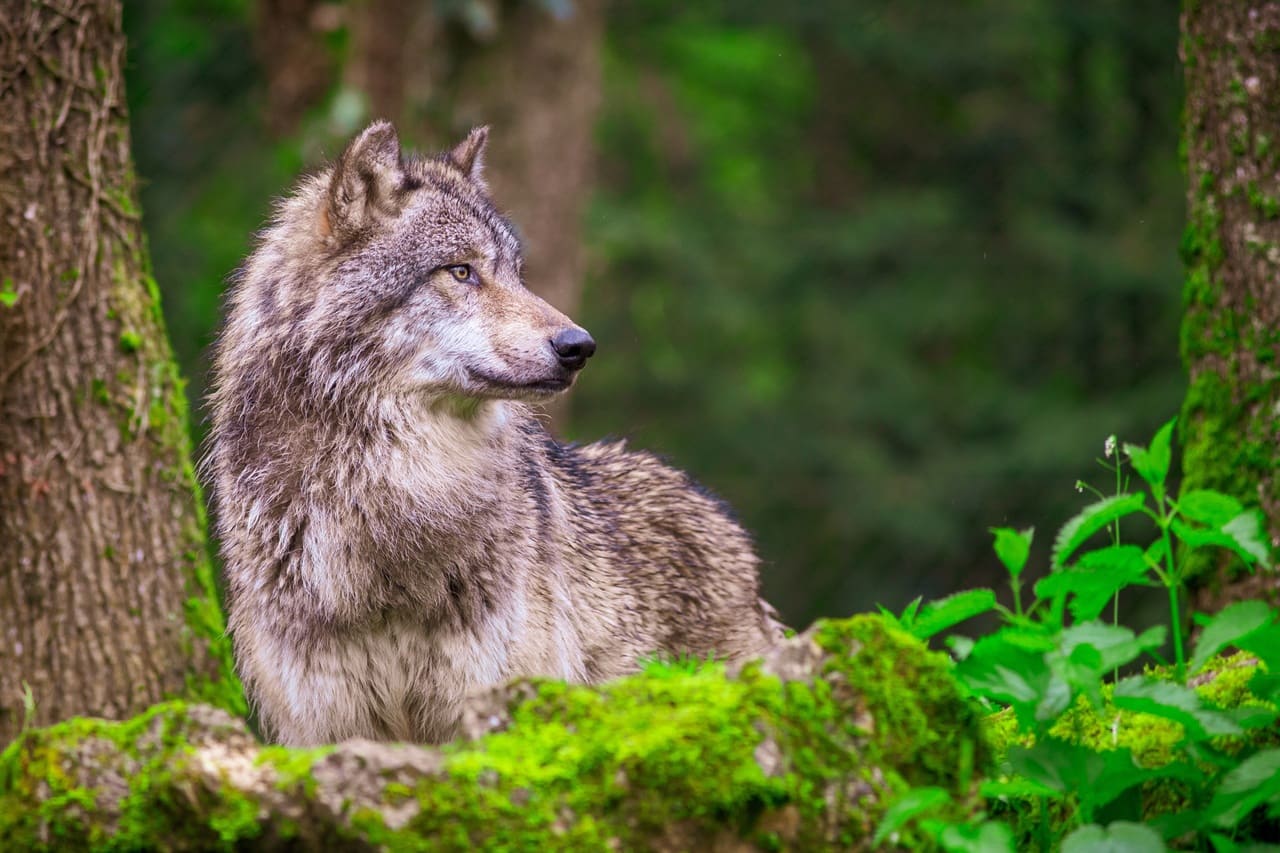
Special Hunts 2025: More Culls Instead of Wolf
Starting in November 2025, cruel special hunts on red deer and roe deer will begin again in Switzerland.


Officially, it is supposed to help fulfill culling plans and balance the sex ratio of animals killed during the unsuccessful autumn hunt. But in reality, it demonstrates one thing above all: adherence to an outdated form of wildlife management that continues to ignore natural regulation by predators.
In fact, recreational hunters have been incapable for decades of properly managing deer populations, and their hobby also claims public tax revenue. While new forms of animal cruelty such as special hunts are implemented toward winter, young animal shoots, mother animal shoots, disturbances, and so on, to maintain appearances, the results have been unsatisfactory for decades and cause intense controversy. Moreover, these new hunting methods are not modern scientific wildlife biology insights, but outrages that were already condemned in earlier times. The whole thing has long had nothing to do with hobby hunting anymore.
Hobby hunting is not wildlife management—it is an ethical bankruptcy, a social failure.
Records and yet "not enough"
For example, 2’163 deer were killed during the 2025 high hunt season in Tessin, setting a record. Yet this hunting and wildlife office still speaks of an "unmet culling plan." Rather than questioning whether these plans make ecological sense, the hunting season is simply extended: from November 15 to December 21, 2025, on three days per week (Wednesdays, Saturdays, and Sundays).
The goal is clear: wildlife populations are to be further decimated, especially where animals allegedly "cause damage to crops and forest regeneration." However, this overlooks the fact that nature already has its own regulatory mechanism in place: the wolf and other predators, which are nonetheless hunted relentlessly and unscientifically.
That flawed hunting planning and hunting pressure only cause birth rates to explode is something serious wildlife biologists have been pointing out for years.
The taxpayer would save hundreds of millions of Swiss francs that the federal government, cantons, and municipalities pump into protective forest maintenance—the very places where hobby hunters, through cantonal hunting administrations, breed deer and roe.
The Wolf: More Efficient Than Any Culling Quota
While the hunting administration continues to rely on armed humans, studies clearly show that wolves achieve far more natural, selective, and sustainable regulation of prey species.
A wolf pack reduces roe and red deer populations naturally, without bureaucracy, without costs, and without the risk of stray shots or ethically problematic situations. It primarily removes weak and sick animals, thereby strengthening the genetic health of populations.
Despite this, authorities cling to the manipulative idea of artificially controlling populations "according to plan"—an approach that is long outdated.
More Bureaucracy, Less Reason
Instead of adapting wildlife management to ecological realities, the Tessin administration is introducing new hurdles:
- Hunting licenses must again be applied for locally, no more online procedure.
- Those without a high hunt license pay three times more for the cruel special hunt (CHF 600 instead of CHF 200).
- Hunting is now allowed "everywhere," yet zone-based catch quotas remain in place—bureaucratic patchwork.
Instead of relying on ecological intelligence and natural regulation, the system entrenches old structures.
The cruel special hunt is allegedly supposed to serve "forest protection." Yet forest regeneration suffers not only from roe deer, but often from monocultures, lack of diversity, and human land use. A healthy forest needs predators just as it needs herbivores. Where wolves are present, prey animals change their behavior—an effect no recreational hunter with a rifle can replicate.
Hobby hunting alone has failed for decades to keep wildlife populations stable. Wildlife populations continue to increase steadily, as do damages, not just in forests.
Old Thought Patterns Instead of Modern Wildlife Management
The 2025 special hunts demonstrate how difficult it is for politicians and administrators to integrate coexistence with predators into a modern wildlife concept. Instead of viewing the wolf as an ally, human control continues to be relied upon, at any cost.
Yet nature could long ago take over what the administration has been forcing through culling lists year after year: a functioning balance between forest, wildlife, and humans.
Where lynx and wolf are regularly present, fewer damages to forest regeneration are documented.
At the Calanda massif between the Chur Rhine Valley and the St. Gallen Tamina Valley, the first wolf pack in Switzerland formed in 2011. Since then, the number of deer in the wolves' hunting territory has declined by an estimated third, according to the responsible Grisons office, while it increased by 18% throughout the canton.
In the chaos in which nature finds itself after decades of hobby hunters' management and stewardship, the proportion of threatened species is, according to the UN, larger in no country in the world than in Switzerland. These contract killers have for decades created an ecological imbalance in the cultural landscape with sometimes dramatic consequences (protective forests, diseases, agricultural damage, and more).
Forests are essential for climate protection. Trees absorb carbon dioxide from the air and store it long-term. A study by the University of Leeds shows that the return of wolves could sequester an additional million tons of CO₂ per year. Particularly remarkable: researchers calculated that each individual wolf would contribute to sequestering 6’080 tons of CO₂ annually. Based on current CO₂ valuation calculations, each animal would theoretically be worth around 170’000 Swiss francs.
Nearly half of the forests in Switzerland protect people, settlements, and transportation routes from natural hazards. To remain stable, they must be carefully maintained. The federal government provides millions of francs in subsidies annually for protective forest maintenance and avalanche barriers. From 2008 to 2012, for example, the federal government subsidized protective forest management in the canton of Valais with 40 million francs. The canton paid 44 million, and municipalities another 16 million. In total, 100 million francs were invested in Valais alone over four years.
In the Canton of Geneva, residents have for decades rejected blood money from hobby hunters' animal cruelty in the cantonal budget. What hundreds of hobby hunters once accomplished there equally poorly is now handled, among many other tasks, by a few wildlife rangers exemplarily.