Special hunt Liechtenstein: Ethical low point
A state special hunt until 31 January, in the middle of winter, with possible night culls and thermal imaging technology, plus methods like feeding at the site: This is not simply "wildlife management". This is an intervention at the most sensitive point of wildlife existence. From a hunting-critical perspective, the question arises how this can still be considered ethical hunting when animals are lured and killed at feeding sites.

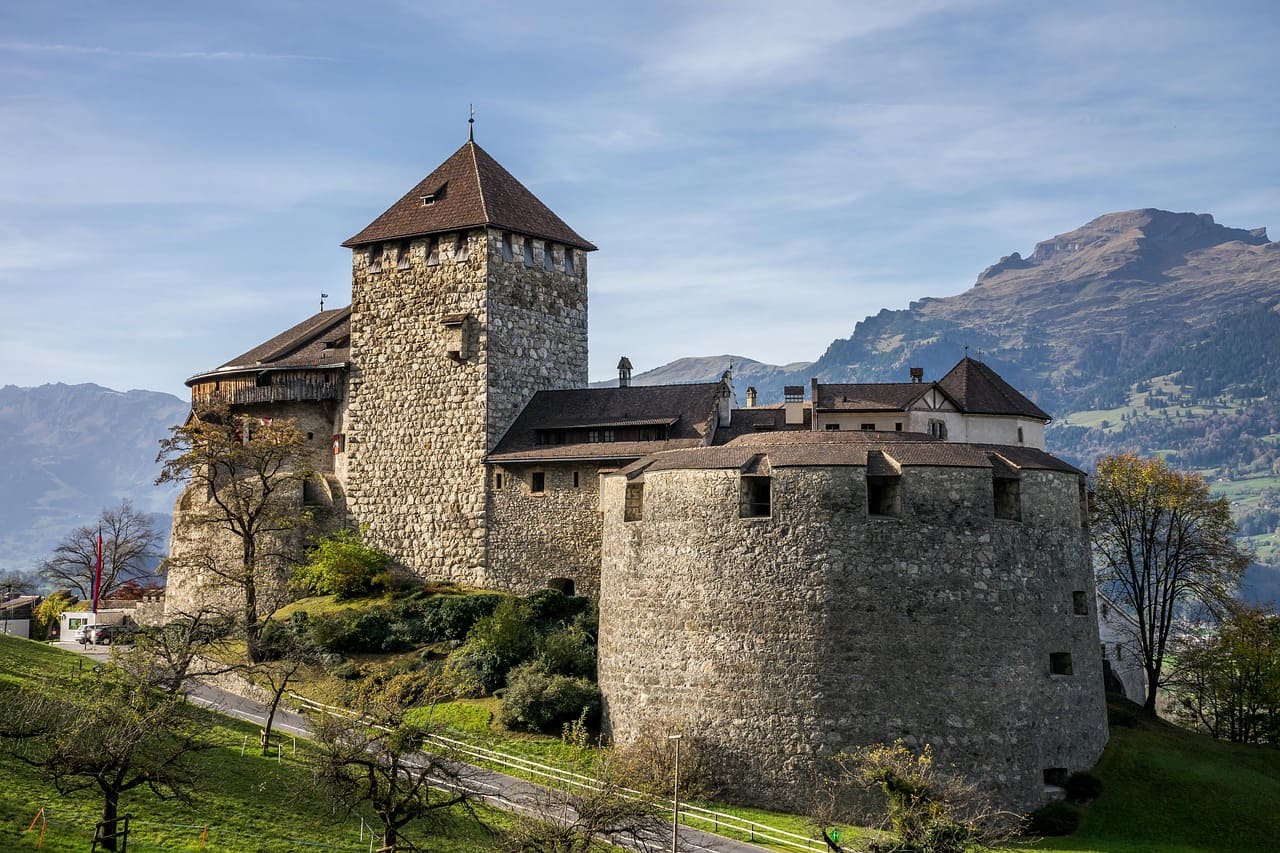
The Environmental Office announced on 9 January 2026 a special hunt until 31 January 2026.
From the document of the Principality of Liechtenstein:
Rising red deer populations in recent years are putting pressure on forest conditions and natural regeneration. Moreover, excessive ungulate populations bring a significantly increased risk of agricultural wildlife damage and increased susceptibility to diseases such as tuberculosis. Population reduction therefore remains necessary. We consequently see ourselves compelled to take supplementary measures. Post-hunting takes place after the regular hunting season ends until January 31st at the latest and includes targeted night shooting using thermal imaging technology as well as baiting.
The timing alone is extraordinary: end of January is winter phase, the animals' energy balance is negative, movement costs strength, and pregnancy is likely in female red deer at this time of year. If such a mother animal is shot, the unborn offspring inevitably dies as well. A red deer calf in the womb is already well developed by mid to late January. This is precisely why any form of winter hunting is not only an administrative but also an animal welfare high-risk decision.
Further Articles
- Protection Forest: Recreational hunting creates problems it claims to solve
- Forest Conversion: Paths to resilient mixed forests in the face of recreational hunting
- Recreational hunting is not the solution for forest conversion
- Recreational hunters do not help forest conversion
- The conflict between forestry, recreational hunting and wildlife
Wildlife management as operational intervention force
The hunting law makes wildlife management into a unit that not only monitors but actively intervenes. It surveys populations, assesses wildlife damage, coordinates reductions, establishes intensive hunting areas and may disturb, capture or kill wildlife. Crucially: These interventions do not happen within the framework of a traditional hunting community, but as state measures that are legitimized, implemented and controlled by the same structure.
Night shooting and thermal imaging technology: marked as problem in the law
The law lists methods that explicitly count as prohibited means and methods. This includes night hunting and technical aids for shooting at night. That the law permits exceptions is not a free pass. It means: Anyone using such means must justify, document and disclose why the exceptional case actually exists and why milder means are insufficient.
Baiting to kill: the opposite of hunting ethics
Here lies the moral core. Hunting ethics does not mean 'legal'. Hunting ethics is the requirement that recreational hunting does not trick, does not manipulate, does not exploit, that it maintains respect for animal and habitat. Binding animals to a place with food, making them predictable there and then shooting them at the feeding site is not 'clean craftsmanship'. It is the principle of ambush, just with an administrative stamp.
This is relevant to hunting criticism because it hollows out the self-legitimation of recreational hunting. And it is relevant to animal welfare because it strikes the animal in a state of maximum vulnerability: winter, stress, pregnancy, reduced escape reserves.
Winter and pregnancy: Why the intervention is biologically particularly brutal
In winter, it's not about 'population' for wildlife, but about survival. Every disturbance can have fatal consequences, especially for pregnant animals. Anyone shooting in this phase not only exposes the animal to death, but also exacerbates stress, flight and energetic loss in the remaining group. With female animals, maternal protection is additionally at stake: A shot can factually affect two lives.
If a special winter hunt is to be justified with technology and feeding, it's not enough to say 'damage' or 'efficiency'. Then hard transparency is needed: legal basis, permits, deployment protocols, kill records by gender and age, as well as a comprehensible justification for why winter, night shoots, thermal imaging technology and baiting should be considered fair chase.
As long as these questions remain unanswered, what we have is not 'management', but a system that grants itself exceptions and then expects the public to trust it.
Why this matters beyond Liechtenstein
This is a test case for modern hunting policy in the Alpine region. The focus is not on classic recreational hunting, but on a state intervention model that combines technology, exceptional permits and winter kills. If this is accepted as normal, the boundaries of what is politically and morally considered recreational hunting will shift.
Wild beim Wild remains on the case.
More on this in the dossier: Hunting and Animal Protection
Support our work
With your donation, you help protect animals and give voice to their cause.
Donate now →