Woman from Solothurn wants to ban driven hunts
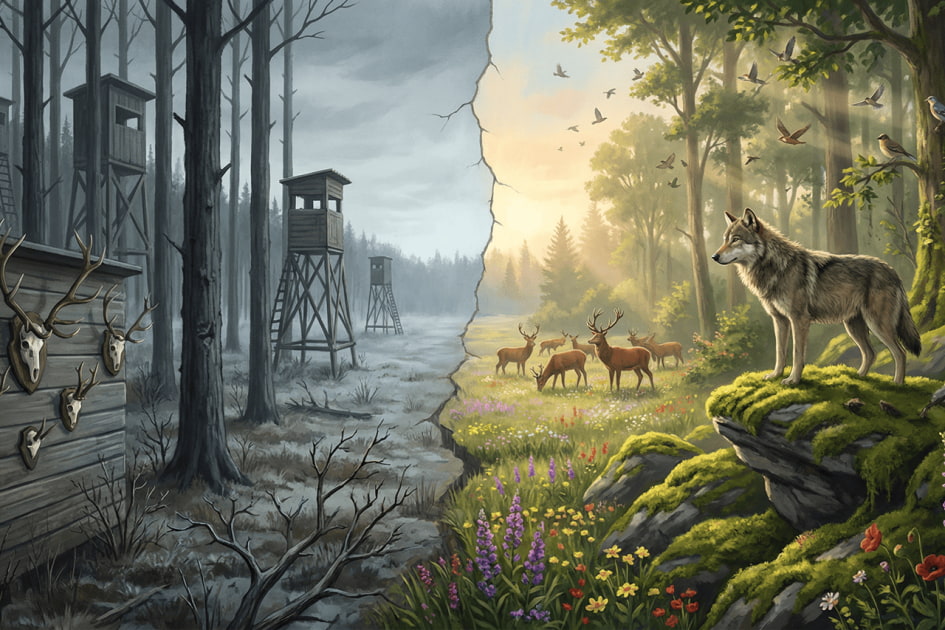
“The sight broke my heart”: Why a woman from Solothurn wants to ban driven hunting.


Brigitte Ehrbar is convinced that driven hunting causes suffering to animals. She has submitted a motion to abolish this hunting method, despite opposition from hobby hunters.
When Brigitte Ehrbar recently stepped out of her home, she saw a group of roe deer running back and forth in panic. Some animals even ran into residential areas. «The animals did not know where to flee and ran around in sheer terror,» recounts the 66-year-old. What she witnessed was driven hunting, in which animals are often flushed out with dogs and then shot, with the aim of killing as many as possible.
She also expresses concern about the danger of stray shots, which she says violates animal protection legislation. In the canton of Solothurn, driven hunting is permitted from October to December. Wild boar may be hunted throughout the year.
Brigitte collected over 100 signatures for her motion entirely on her own. Although she received no political support, she was not discouraged and spoke with neighbours and acquaintances. More and more people joined her initiative. The state chancellery has since confirmed 105 signatures, and the motion is currently under review.
Brigitte is also unafraid to speak directly with hobby hunters. In December, she approached some who were preparing for a driven hunt. She asked them whether it was fun to send animals into a panic, and was told she could call the police.
The hobby hunters argue that driven hunting helps to regulate animal populations. Cyril Bardet, the president of the hunters’ association in Solothurn, says that driven hunting is necessary to fulfil the cull quota. He explains that the hunt is well organized and that not too many animals are targeted at once.
Brigitte agrees that hunting is necessary to regulate animal populations. But she does not understand why humans get to decide which animal lives or dies.
Whether her petition will succeed, she does not know. She hopes that animal welfare is more important today than it was 20 years ago, when voters chose to retain the driven hunt, writes the Solothurner Zeitung.
Perhaps her concern can bring about something significant.
According to IG Wild beim Wild, hobby hunters require annual medical-psychological fitness assessments modelled on the Dutch system, as well as a binding upper age limit. The largest age group among hobby hunters today is 65+. Within this group, age-related limitations such as declining visual acuity, slower reaction times, concentration deficits and cognitive impairments increase statistically in a significant manner. At the same time, accident analyses show that the number of serious hunting accidents involving injuries and fatalities rises significantly from middle age onwards.
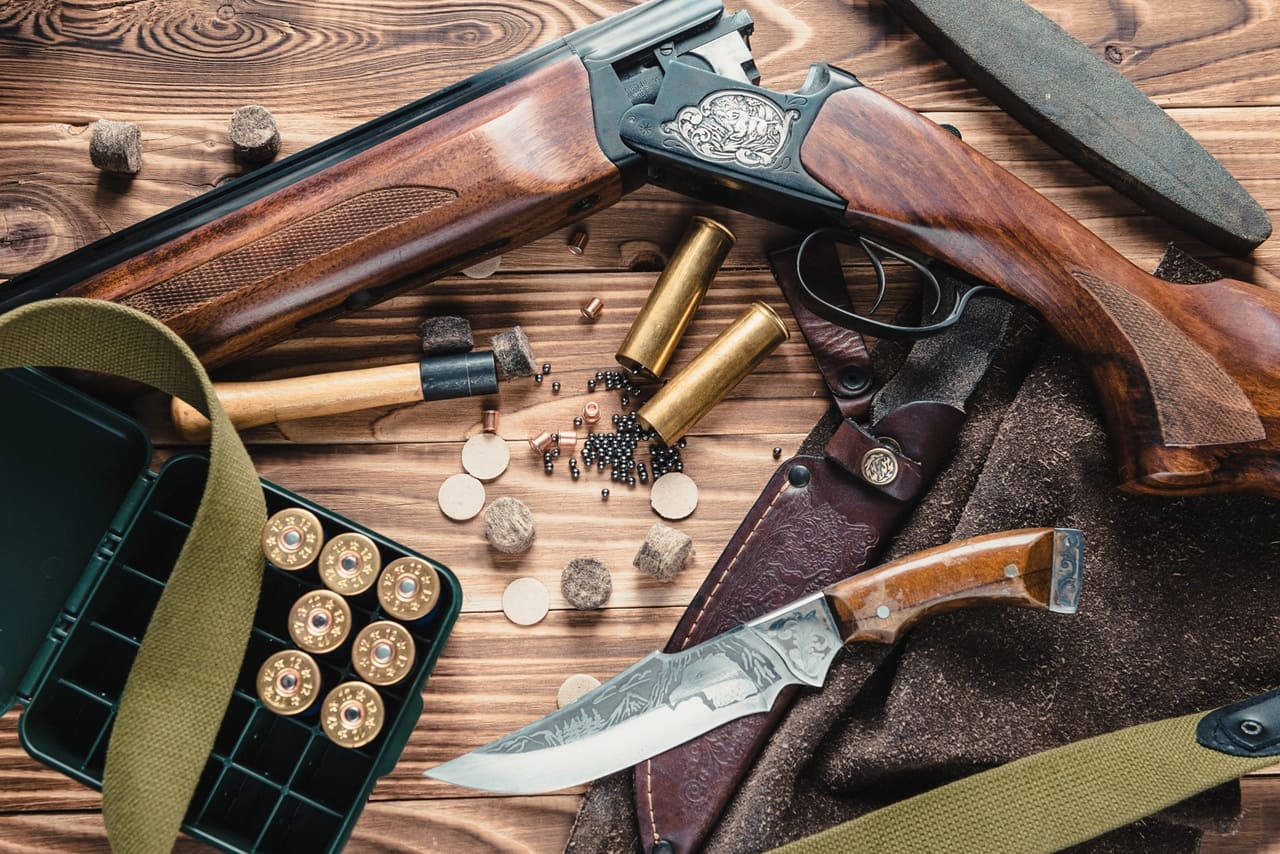
The regular reports of hunting accidents, fatal errors and the misuse of hunting weapons highlight a structural problem. The private ownership and use of lethal firearms for recreational purposes largely evades continuous oversight. From the perspective of IG Wild beim Wild, this is no longer justifiable. A practice that is based on voluntary killing while simultaneously generating considerable risks for humans and animals alike forfeits its social legitimacy.
Recreational hunting is furthermore rooted in speciesism. Speciesism describes the systematic devaluation of non-human animals solely on the basis of their species membership. It is comparable to racism or sexism and can be justified neither culturally nor ethically. Tradition does not substitute for moral scrutiny.
Particularly in the field of hobby hunting, critical scrutiny is indispensable. Hardly any other field is so thoroughly shaped by euphemistic narratives, half-truths and deliberate disinformation. Where violence is normalised, narratives frequently serve the purpose of justification. Transparency, verifiable facts and an open public debate are therefore essential.