Rhino Poaching in South Africa: Current Figures and Challenges for Conservation
Poachers have killed more than 100 rhinos in South Africa in the first three months of this year, most of them in national parks, highlighting the ongoing struggle to protect one of the world's most iconic endangered species.

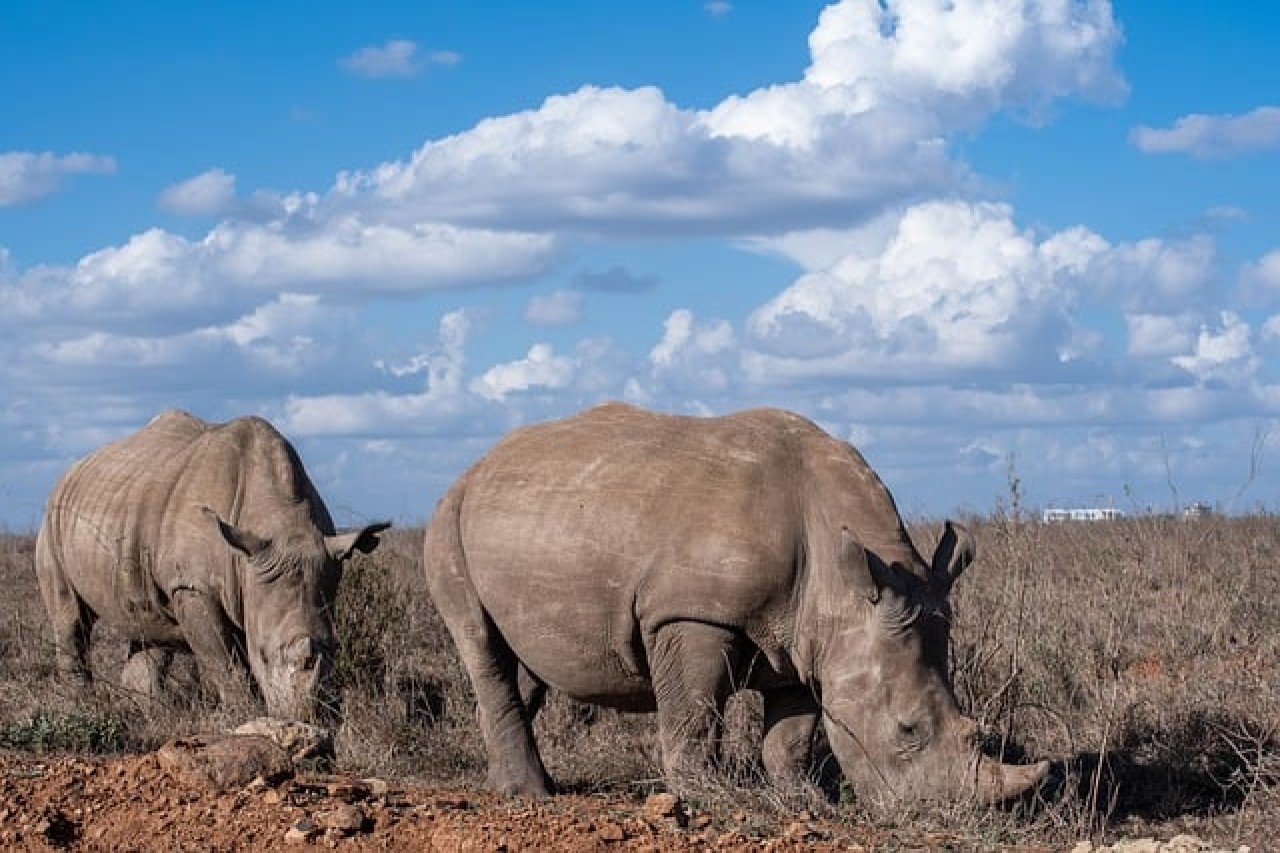
South African Environment Minister Dion George released the figures on 5 May 2025, stating that of the 103 rhinos killed between 1 January and 31 March, 65 were poached in national parks.
The average of more than one rhino killed per day matches last year's figures and is “a stark reminder of the relentless threat to our wildlife,” George said.
South Africa has the world's largest rhino population, with an estimated 16,000 to 18,000 animals according to conservation organisations. These include both black and white rhinos.
Black rhinos are found in the wild only in Africa and are classified as critically endangered by the International Union for Conservation of Nature, with only around 6,400 individuals remaining. Approximately 2,000 are located in South Africa.
South African authorities have in recent years focused on criminal syndicates, which they believe are behind a large proportion of rhino poaching in the country.
The Ministry of Environment welcomed last year the conviction of a so-called «Poaching King» from Mozambique. Simon Ernesto Valoi was sentenced by a Mozambican court to 27 years in prison for poaching rhinos in South Africa's vast Kruger National Park, which borders Mozambique.
More on the subject of recreational hunting: In our dossiers on recreational hunting gather fact-checks, analyses and background reports. What the research says about this is shown by Hunting fact-checked: the state of research.
The position of IG Wild beim Wild: IG Wild beim Wild rejects recreational hunting. Our model is the canton of Geneva, which has managed without recreational hunting since 1974: without hunting seasons, without hunting dogs, without driven hunts, without high seats, without the animal cruelty and crime that go hand in hand with hunting season elsewhere. What has worked there for over fifty years disproves every position paper by JagdSchweiz. An association that bases its policy on claims it refutes in its own documents is not a professional organisation, but a factory for misinformation.