North Atlantic: Seabird Paradise to Become Protected Area
15 governments and the EU are working on a marine protected area in the North Atlantic roughly the size of France.

Currently, 15 governments and the EU are working on the designation of a marine protected area in the North Atlantic roughly the size of France.
Up to 5 million seabirds per year
The area is called NACES – North Atlantic Current and Evlanov Seamount – Marine Protected Area. This important seabird hotspot was discovered through a major collaborative effort led by BirdLife International.
Using observation, phenology, and population data, BirdLife mapped the abundance and diversity of 21 seabird species. This revealed a significant hotspot used annually by 2.9 to 5 million seabirds from more than 56 colonies across the North and South Atlantic. This makes it one of the most important concentrations of migratory seabirds in the Atlantic and the first discovery of seabird concentrations of this magnitude ever documented on the high seas.
First Protected Area Based on Tracking Data
This is the first time a marine protected area on the high seas has been designated on the basis of tracking data.
BirdLife is calling for the full protection of this area, from the seafloor to the ocean surface, to safeguard its biodiversity and the ecosystem processes the area supports.
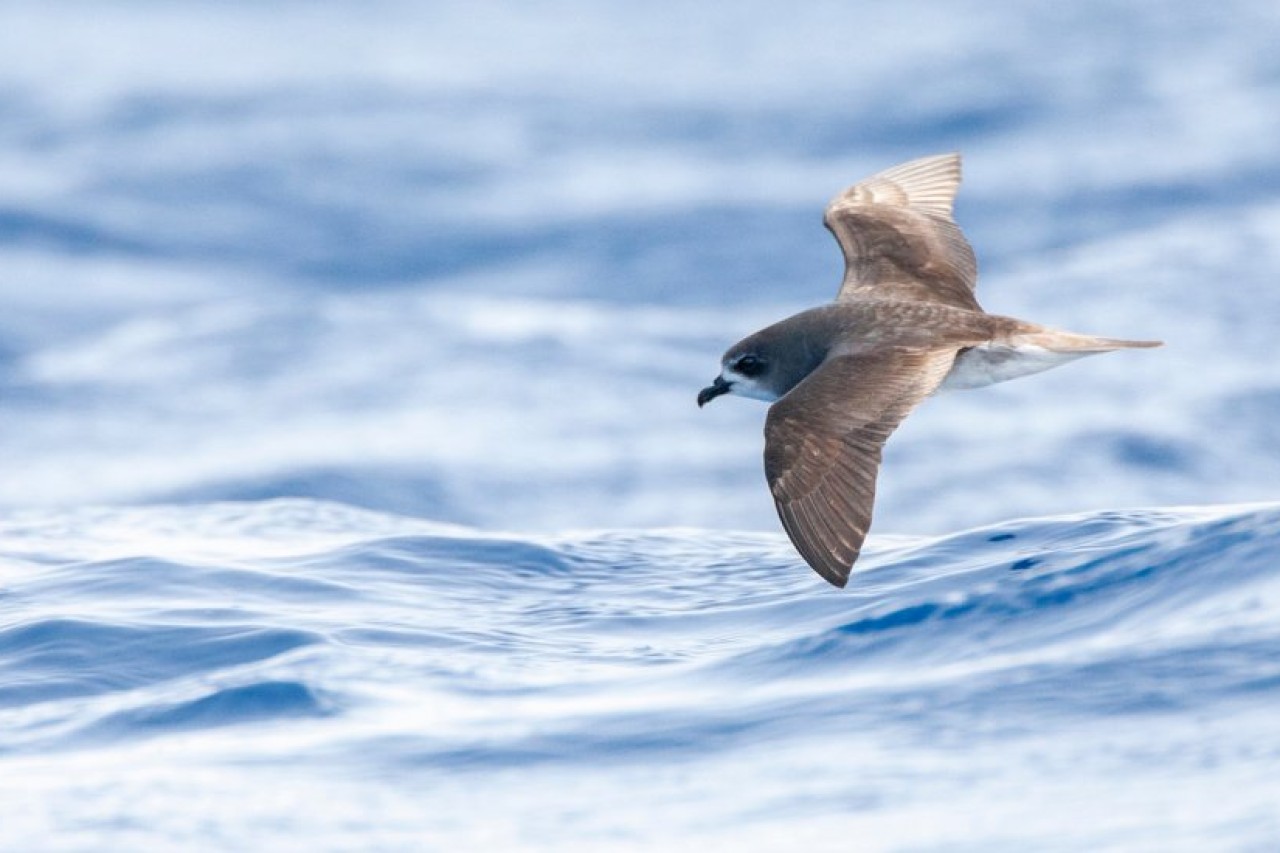
Worldwide, seabird populations have declined by 70% over the past 50 years, making them currently the most threatened group of birds in the world. The survival of five globally threatened species depends on this area: the critically endangered Bermuda petrel and Zino’s petrel, as well as the Desertas petrel, the black-legged kittiwake, and the Atlantic puffin.
The proposal for the NACES marine protected area began in 2016 with a workshop for seabird experts led by BirdLife International. The designated seabird hotspot was then proposed to OSPAR, and since then it has been reviewed and revised over the past four years before finally crossing the finish line.
More on the subject of recreational hunting: In our dossiers on recreational hunting gather fact-checks, analyses and background reports. What the research says about this is shown by Hunting fact-checked: the state of research.
The position of IG Wild beim Wild: IG Wild beim Wild rejects recreational hunting. Our model is the canton of Geneva, which has managed without recreational hunting since 1974: without hunting seasons, without hunting dogs, without driven hunts, without high seats, without the animal cruelty and crime that go hand in hand with hunting season elsewhere. What has worked there for over fifty years disproves every position paper by JagdSchweiz. An association that bases its policy on claims it refutes in its own documents is not a professional organisation, but a factory for misinformation.