
Wildlife crossings after the 2027 clock change: greater danger on the roads
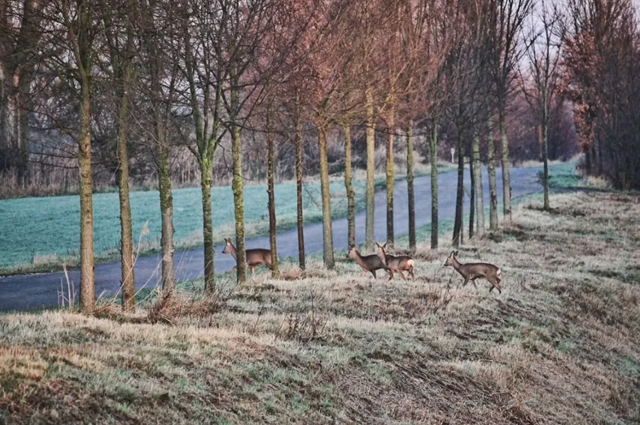
On Sunday, 31 October 2027, the clocks go back to winter time. This means the rush hour once again falls at dusk, precisely when many wild animals are on the move.
Autumn is the year's most accident-prone season. Between 2021 and 2025, Mobiliar registered over 10,500 collisions with wild animals, and in the last quarter the figures were around 12 per cent above average. Roe deer and red deer are most often affected, but so are foxes, badgers and wild boars. According to the Federal Office for the Environment, after recreational hunting, road traffic is the second most common known cause of death for large wild animals in Switzerland.
The news agency Keystone-SDA explicitly named the stress caused by recreational hunting as one reason for the many accidents in autumn. The most accident-prone period coincides with the most intensive phase of recreational hunting: high hunt, small-game hunting and driven hunts with beaters and dogs set wild animals in motion. More on this in the article Autumn wildlife collisions: hunting stress also named as a contributing cause.
IG Wild beim Wild urges drivers to reduce speed on country roads and along forests at dusk and to be ready to brake. Anyone who hits a wild animal must notify the police on 117, even if the animal has fled. From the cantons and the federal government, the IG demands effective wildlife corridors and wildlife bridges as well as a ban on driven hunts near roads.
Driving more slowly saves lives, on both sides of the windscreen.
You will find more background in the category Wild animals on wildbeimwild.com.