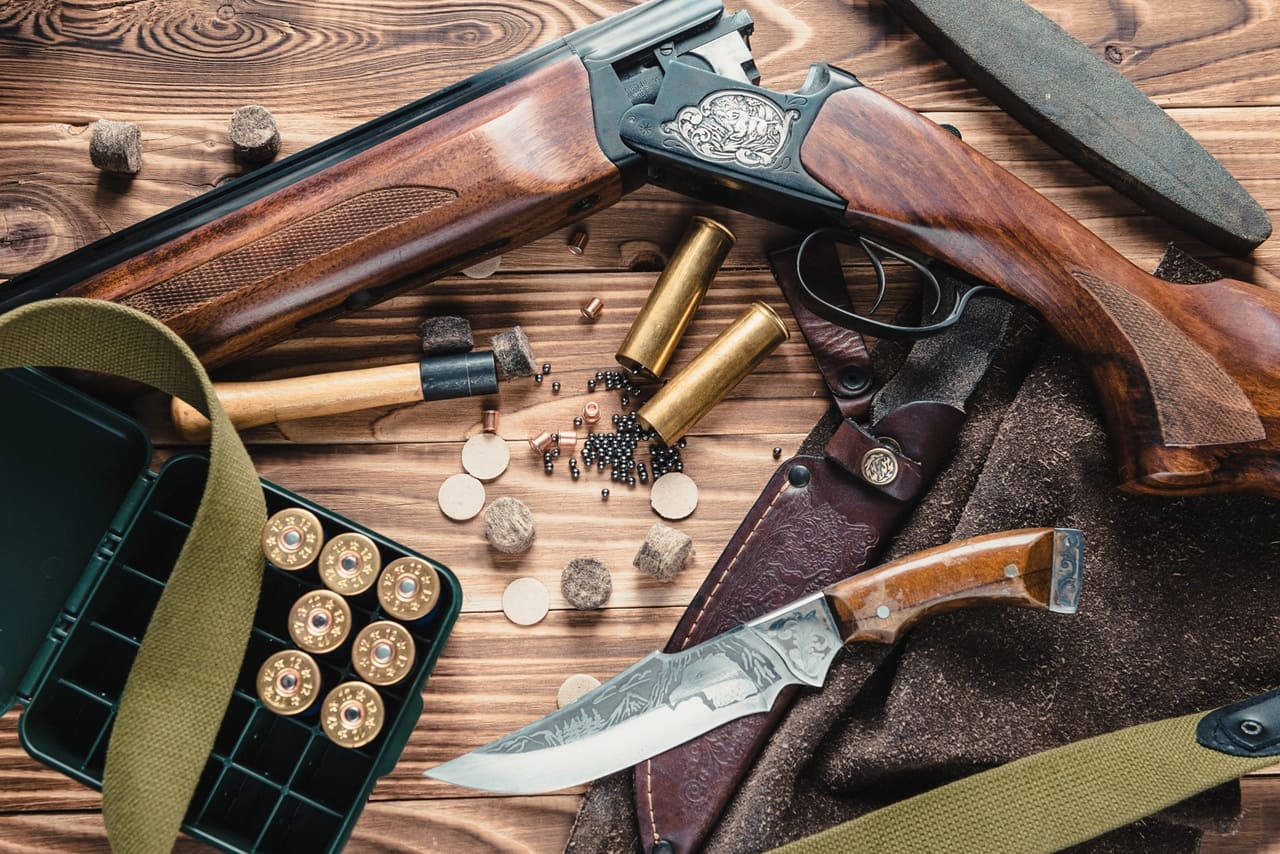
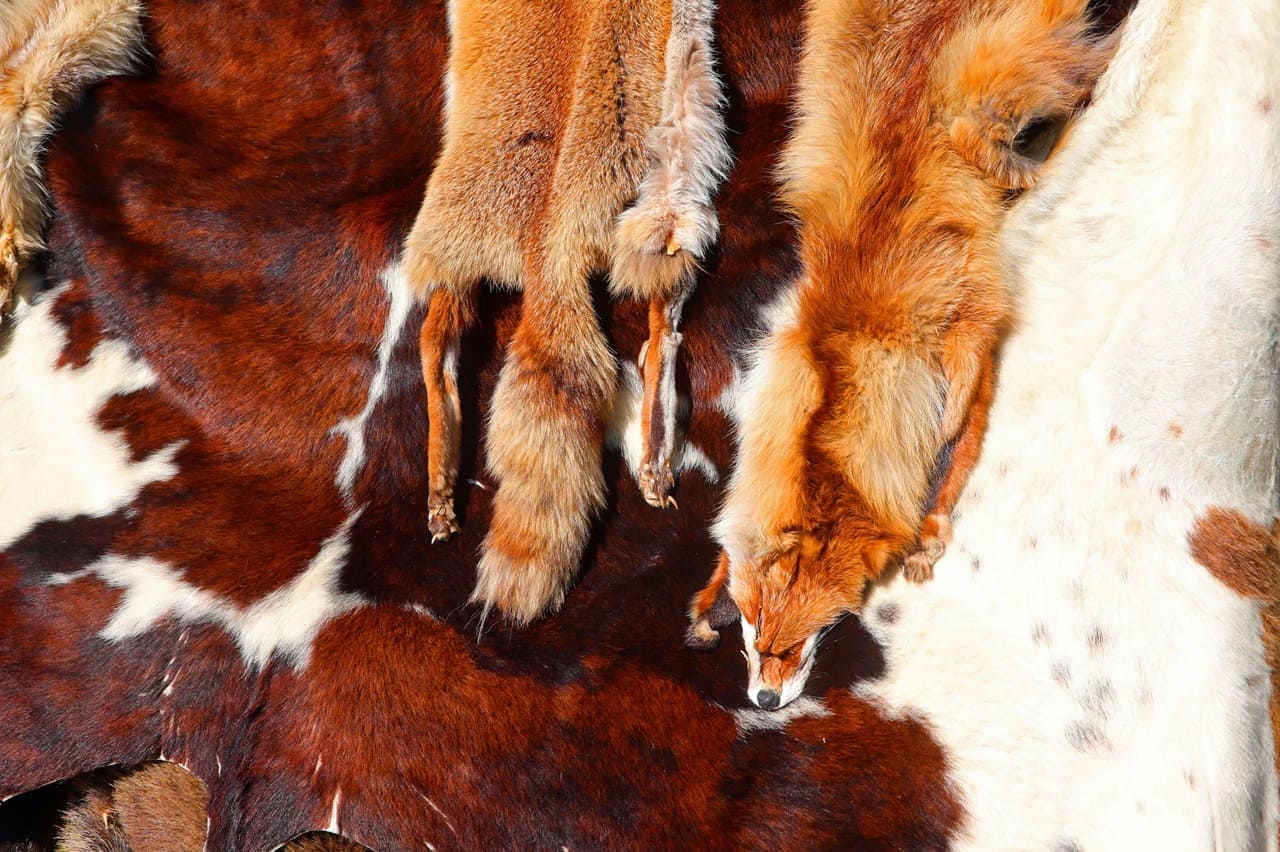
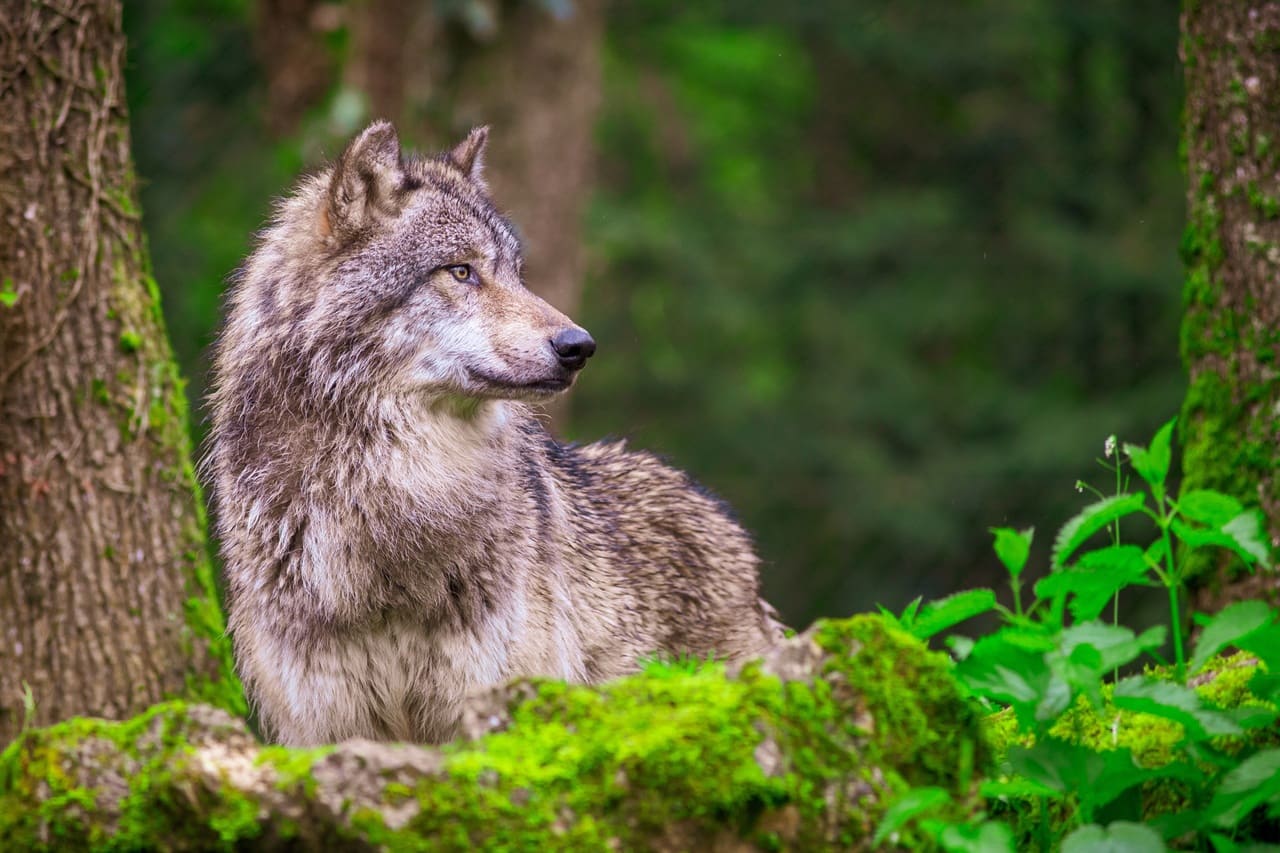
Politics Protects Hobby Hunters – Animals Pay the Price
In Switzerland, hobby hunting kills well over a hundred thousand wild animals every year, mostly without purpose.

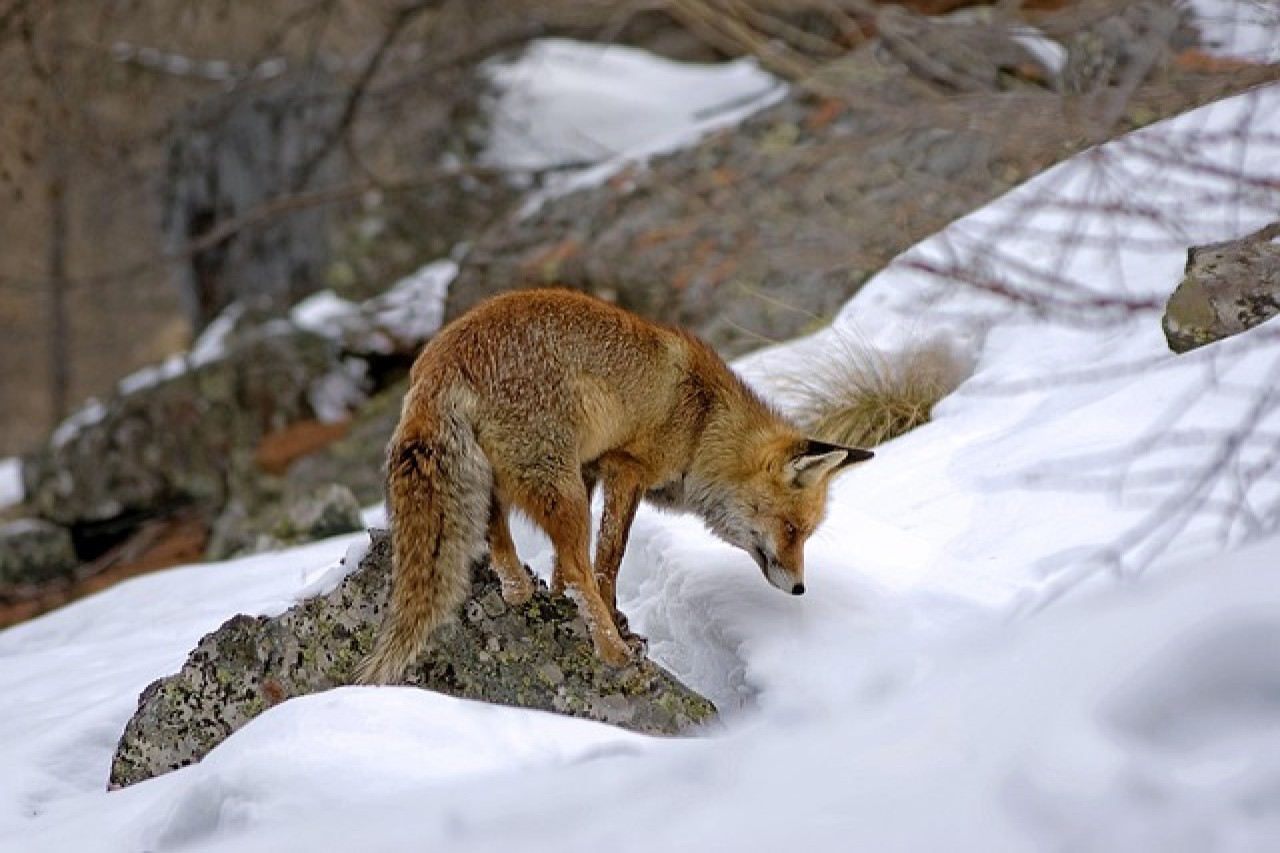
According to official statistics, in 2024 alone more than 130’000 animals were killed, including deer, roe deer, foxes, chamois and wild boar.
Added to this are countless birds and undocumented cases of animals shot and left to die in agony. Hobby hunting remains a relic of past centuries — a bloody leisure pursuit disguised as “tradition” and thoroughly protected by political means.
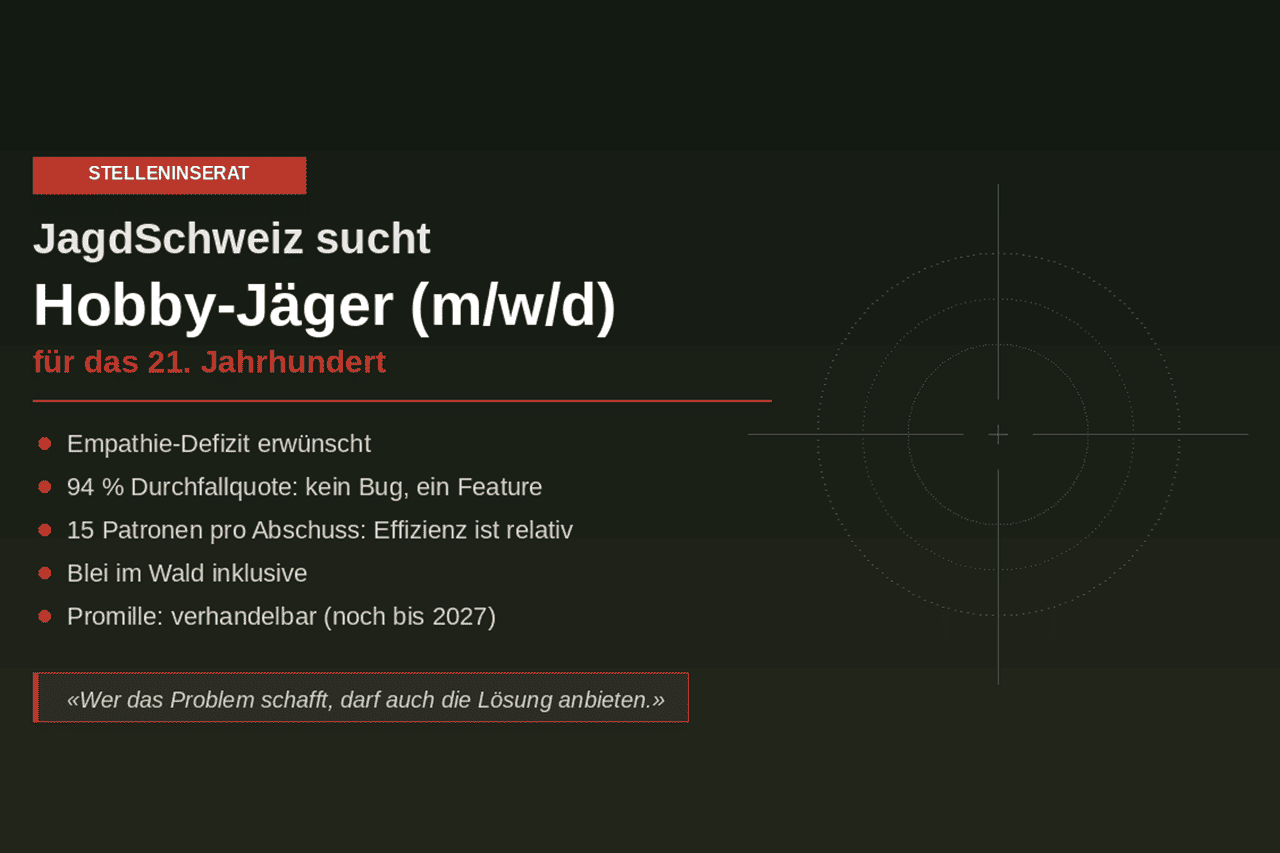
With around 30,000 members, the Swiss hunting community is well organised — and exceptionally well connected. Its militant umbrella association JagdSchweiz explicitly sees itself as a political force that “actively shapes all hunting policy matters”. This means: an interest group with direct access to authorities, commissions and parliaments — a textbook example of how lobbying undermines animal and environmental protection.
In Bern and in the cantons, numerous poorly trained hobby hunters hold key positions in hunting administrations, commissions or even in legislation itself. The fox has long been put in charge of the henhouse. Critical voices are marginalised while the hunting lobby systematically spreads narratives: from the “necessary intervention in the ecological balance” to the supposed “duty of stewardship”. Little of this stands up to scientific scrutiny.
Legislation in the Interest of Hobby Hunters
The 2020 revision of the Hunting Act demonstrated exemplarily how far politicians are willing to yield to the demands of hobby hunters. At the time, the plan was to open up strictly protected species such as wolf, lynx, and beaver for preventive culling, even without concrete evidence of damage. Only thanks to the popular vote was this initiative stopped.
Yet barely five years later, the Federal Council has once again opened a backdoor with the new Hunting Ordinance of 2025. Herd protection measures were weakened and shooting regulations simplified. The wolf in particular is once again in the crosshairs. Animal welfare and environmental organizations speak of a regression to the 19th century.
The message is clear: politicians continue to protect the hobby of a few at the expense of animals and ecological balance.
Scandals and Questionable Practices
- Ticino 2022: The canton permitted the shooting of nursing hinds. The calves were inevitably left behind — condemned to death. A clear breach of animal welfare principles.
- Animal suffering caused by missed shots: According to animal welfare reports, hundreds of animals are found injured every year. “Wounding shots” — shots that do not kill immediately — cause massive, often invisible suffering. Hobby hunters are the most inaccurate shooters among all active firearm users.
- Hunting accidents: Since 2000, dozens of fatal hunting accidents have been recorded in Switzerland. A risk not only for animals, but for people as well.
Despite these facts, the myth of the “responsible hobby hunter” remains politically untouchable.
The hunting community repeatedly emphasizes its supposed “stewardship mandate.” Yet in today’s context, stewardship often means nothing more than managing wildlife populations according to personal preference rather than ecological necessity. Wildlife is decimated to secure a particular prey profile. In regions with intensive supplemental feeding, game is even artificially “nurtured” only to be driven before the guns in autumn.
Ecological relationships, natural regulation by predators, and modern wildlife management concepts are systematically ignored in this process. Science has long moved on, while politics remains locked in step with the hunting lobby.
Hobby hunting primarily serves the interests of a well-connected minority. Animals become pawns in a political game that places power and influence above ethical standards or modern ecological concepts.
Switzerland prides itself on its direct democracy. Yet when it comes to hobby hunting, a different picture emerges: a small, influential minority decides over the life and death of tens of thousands of wild animals. The rest of the population is kept in check with myths, hunters' tales, and fear campaigns about predators.
As long as political parties, government agencies, and legislation place hunting interests above animal welfare, ethics, and science, the question remains open: Who protects the animals from politics?
For as long as the hobby of a few remains glorified as “tradition” and legally privileged, it will continue to be the wild animals who pay the price — with their lives.