Exotic pet trade threatens biodiversity: Nature calls for a change of course
More than half of traded reptiles come from the wild. A commentary in «Nature» calls for an EU positive list, and 2026 could become a turning point.
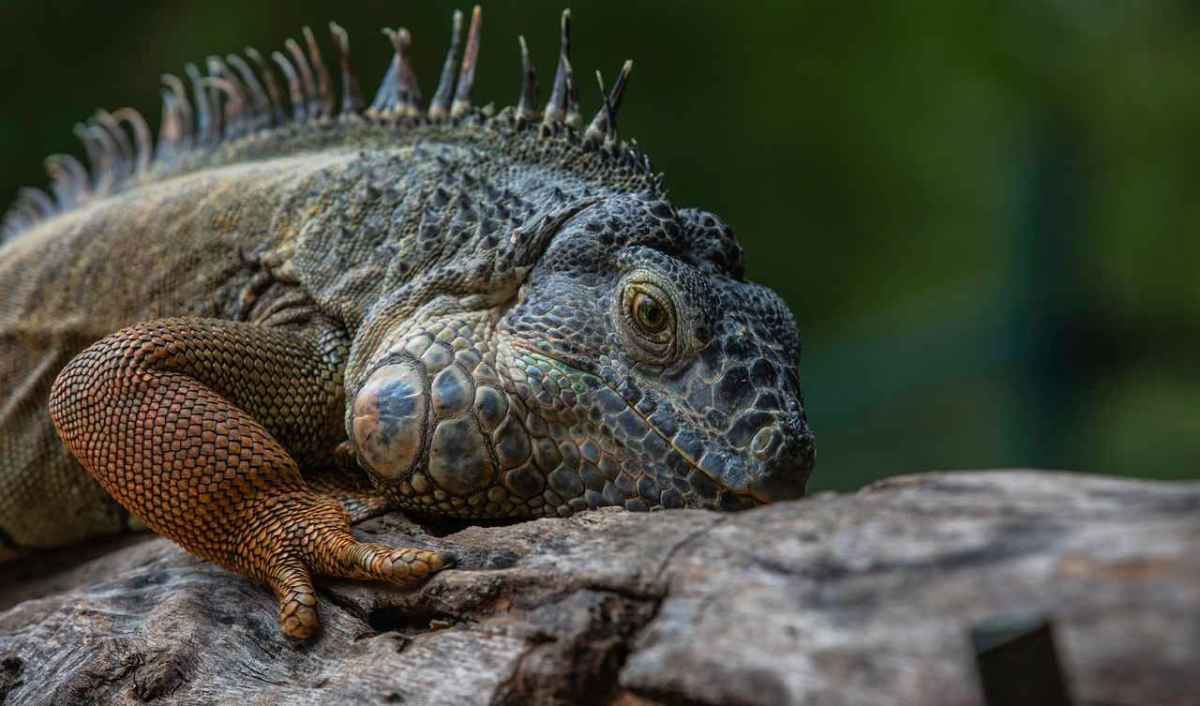
Anyone in Europe buying an exotic lizard or frog can never be entirely sure where the animal really came from.
Many were caught in the wild in their country of origin, sometimes illegally. A commentary published in the journal «Nature» therefore calls for a fundamental change of course in the global pet trade. It was written by an international, interdisciplinary team of experts from science, medicine and species conservation.
The pressure to act is considerable. According to the studies cited, more than half of all traded reptiles and around 40 percent of traded amphibians are taken from the wild. International protection lags far behind: the Washington Convention on species protection, CITES, currently covers only 9.5 percent of all reptile species and 4.2 percent of all amphibian species. This is precisely where a dangerous gap opens up.
«It is precisely the smuggling of non-CITES species that were illegally caught in their home country that is booming,» explains Dr. Sandra Altherr, biologist at Pro Wildlife and co-author of the article. The reason is simple: because of this legal loophole, traders in Europe simply have nothing to fear. Sustainability, legality and safety would need to become preconditions for trade, not the outcome of subsequent bans.
The consequences do not end at the shop counter. The trade threatens biodiversity in the countries of origin, but it also endangers the destination countries. There, released or escaped animals can become invasive species and introduce pathogens. The fact that exotic animals in private hands can throw entire ecosystems out of balance is illustrated, for instance, by the Spread of the American bullfrog. And just how real the health risks are is shown by the documented cases of zoonoses linked to the wildlife trade in Europe.
«An alarming number of reptile and amphibian species are threatened with extinction, many of them also because of the pet trade», says co-author Dr Neil Vora, a physician specialising in pandemic prevention. On top of this come transport and husbandry conditions that contradict every notion of animal welfare. In some cases, traders have even wiped out entire wild populations by systematically combing through scientific publications on newly discovered species for information.
The EU is facing concrete decisions
The authors describe 2026 as a possible political window for a change of course. The European Commission has commissioned studies looking into what added value an EU-wide positive list would offer and how trade in illegally sourced wild animals could be prosecuted more effectively across the EU. Completion of the positive-list study was initially announced for the first half of 2026; whether and which political steps will follow remains open.
Such a positive list would reverse the underlying principle: only explicitly approved species could be traded and kept privately — species whose legal and sustainable origin is documented, which pose no significant risk to biodiversity or health, and whose needs can be met in private care. How a positive list for pets works in detail is something we explain separately. The Nature article calls for this preparatory work to now be turned into binding policy. The idea is not new: several years ago, several EU states already pushed for a ban on wild animals as pets.
The United Nations is also set to decide
In October 2026, the states party to the UN Convention against Transnational Organized Crime will meet. There, the states could discuss further steps towards a possible international instrument against environmental crime. A future protocol could strengthen cooperation against wildlife crime, but this has not yet been decided. Just how urgent the issue is can be seen in the ever-new record seizures, for example during the worldwide Operation Thunder, which rescued 30,000 wild animals, or during the largest ever operation against the wildlife trade in Brazil.
Switzerland is right in the middle of it
The trade doesn't end at distant borders. Reptiles and amphibians are also traded as pets in Switzerland, and animal fairs such as the Terra Expo at the Umwelt Arena Spreitenbach provide a platform for this. As long as animals are treated as commodities, supply will keep coming. This is precisely where the petition by IG Wild beim Wild comes in: it calls on the Umwelt Arena and the municipality of Spreitenbach to no longer provide a stage for either hunting fairs or animal fairs.
The Nature article makes it clear: a precautionary, internationally coordinated legal framework is the only way to prevent the market for exotic pets from continuing to grow at the expense of wild species and their habitats. 2026 offers the chance to do this. It just needs to be seized.

All articles are written by IG Wild beim Wild as well as by external co-authors. Research, structuring and editorial processes may be supported by AI-assisted tools.
Support our work
With your donation you help protect animals and give their voice a hearing.
Donate now →