Parliament: Measures Against Bee Die-Off
The Federal Council should swiftly take measures against the die-off of bees and insects. That is what Parliament is demanding. On 3 June 2020, the Council of States adopted, as the second chamber, a motion by Bernhard Guhl, former BDP National Councillor from Aargau and beekeeper.

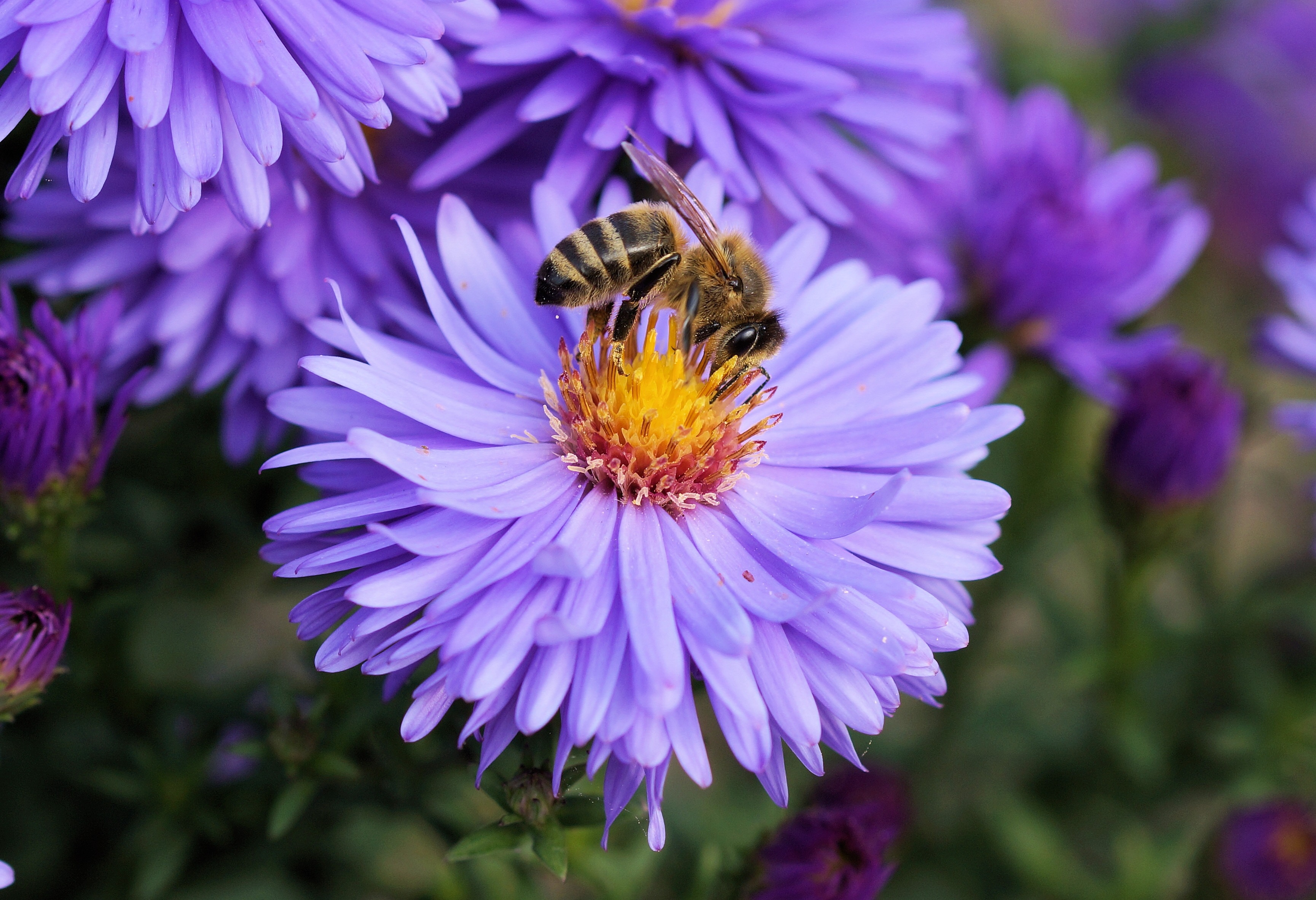
The Federal Council should swiftly take measures against the die-off of bees and insects. That is what the Parliament is demanding. On 3 June 2020, the Council of States adopted, as the second chamber, a motion by Bernhard Guhl, former BDP National Councillor from Aargau and beekeeper.
With the motion approved unanimously in both chambers, the Federal Council is called upon to implement all recommendations of the National Action Plan for Bee Health swiftly and consistently across the country. The Confederation is to work closely with the cantons and contribute to the funding.
Furthermore, the Federal Council is to integrate insect protection into all sectors, whether agricultural policy, spatial planning, education policy, or economic policy. It is to report regularly on the progress of these efforts.
The die-off of insects does not only affect the apples in Thurgau, the cherries in Basel-Landschaft, or the apricots in Valais, wrote Guhl in his motion. Also at risk are the floral splendour of the Alps, amphibians, fish and birds, and ultimately people. The extinction of species affects every aspect of life.
Further Measures Called For
Parliament shares the motioner's concern about the poor state of insect diversity. The situation is particularly dramatic, as the die-off of insects strikes at the very heart of life, said Council of States member Martin Schmid (FDP/GR) on behalf of the committee.
The loss of biodiversity threatens the quality of insect habitats. Unfortunately, various measures already taken have not produced the hoped-for results. The Federal Council and the administration reaffirmed their intention to act swiftly and effectively with combined efforts. “This is about living things,” said Environment Minister Simonetta Sommaruga.
The Federal Office for the Environment will soon publish a report outlining the causes in greater detail. The report is intended to serve as a basis for further measures. For the past year, a parliamentary group has also been dedicated to the issue of bees.
The Federal Council is not opposed to this. In its statement, it wrote that it was aware of the poor state of insect diversity in Switzerland and shared the concerns raised. Despite the measures already taken, it had not yet been possible to halt the die-off of insects.
The causes are fundamentally known. Central factors include urban sprawl, intensive agriculture, the poor quality of insect habitats, and increasing light pollution.
More on the subject of recreational hunting: In our dossiers on recreational hunting gather fact-checks, analyses and background reports. What the research says about this is shown by Hunting fact-checked: the state of research.
The position of IG Wild beim Wild: IG Wild beim Wild rejects recreational hunting. Our model is the canton of Geneva, which has managed without recreational hunting since 1974: without hunting seasons, without hunting dogs, without driven hunts, without high seats, without the animal cruelty and crime that go hand in hand with hunting season elsewhere. What has worked there for over fifty years disproves every position paper by JagdSchweiz. An association that bases its policy on claims it refutes in its own documents is not a professional organisation, but a factory for misinformation.