Predators instead of poison: Owls and foxes against mice
In Thuringia's forests, fauna is helping flora — with a welcome side effect: mouse plagues in the forest are kept at bay.


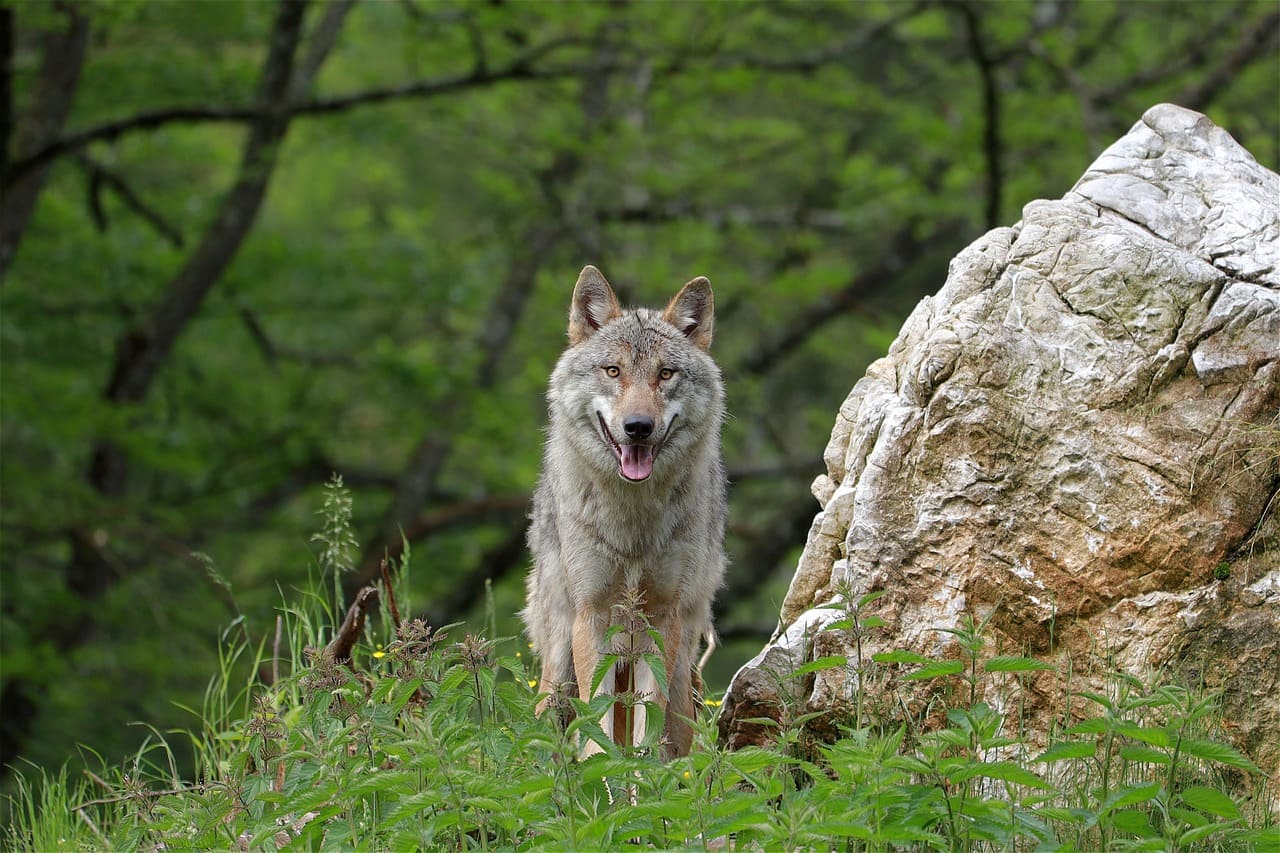
Foxes, owls, and birds of prey have in recent years helped spare Thuringia's forests from mouse plagues.
Predators reduce rodenticide use
According to the state forestry authority, the predators were so diligent that their activity also contributed to a significant reduction in the use of rodenticide in forests. Between 2017 and 2019, so-called rodenticides were applied to 36 hectares — by the late 1990s, as many as 1,200 hectares per year had been affected.
««We ensure that the fox population is not reduced on affected cultivation areas», said Horst Sprossmann, spokesperson for Thüringenforst. «Small openings in the fences allow foxes to access the area, and tall wooden perches are erected for birds of prey and owls.»
Natural pest control
It is also possible to make conditions less comfortable for mice by preventing grass from growing on the forest floor. To that end, some old-growth trees are left standing, as their shade inhibits grass growth. Of a total of around 200,000 hectares of state forest, approximately 20,000 hectares are currently being reforested.