Over 6,000 roe deer fawns rescued from death by mowing
In 2023, the association Rehkitzrettung rescued 6,064 fawns from death by mowing machines using drones. A new record and more than double the figure from 2022.


The 2023 main season for roe deer fawns is over.
This year, the association Rehkitzrettung used its drones to save 6,064 fawns from death by mowing machine. As announced on 25.7.2023, this is a new record and more than double the figure compared to 2022.
Between January and April, the association trained new pilots and was able to deploy a third more teams than in 2022. Some teams benefited from drones made available by the Swiss Animal Protection organisation.
Roe deer does hide their fawns in tall grass to protect them from predators. During this phase of life, the young animals have a crouching instinct. What offers them protection also puts them in mortal danger. Farmers must simultaneously mow their meadows, which in the long-term average leads to hundreds of roe deer fawns and other animals being killed by agricultural machinery each year.
The role of Swiss recreational hunters
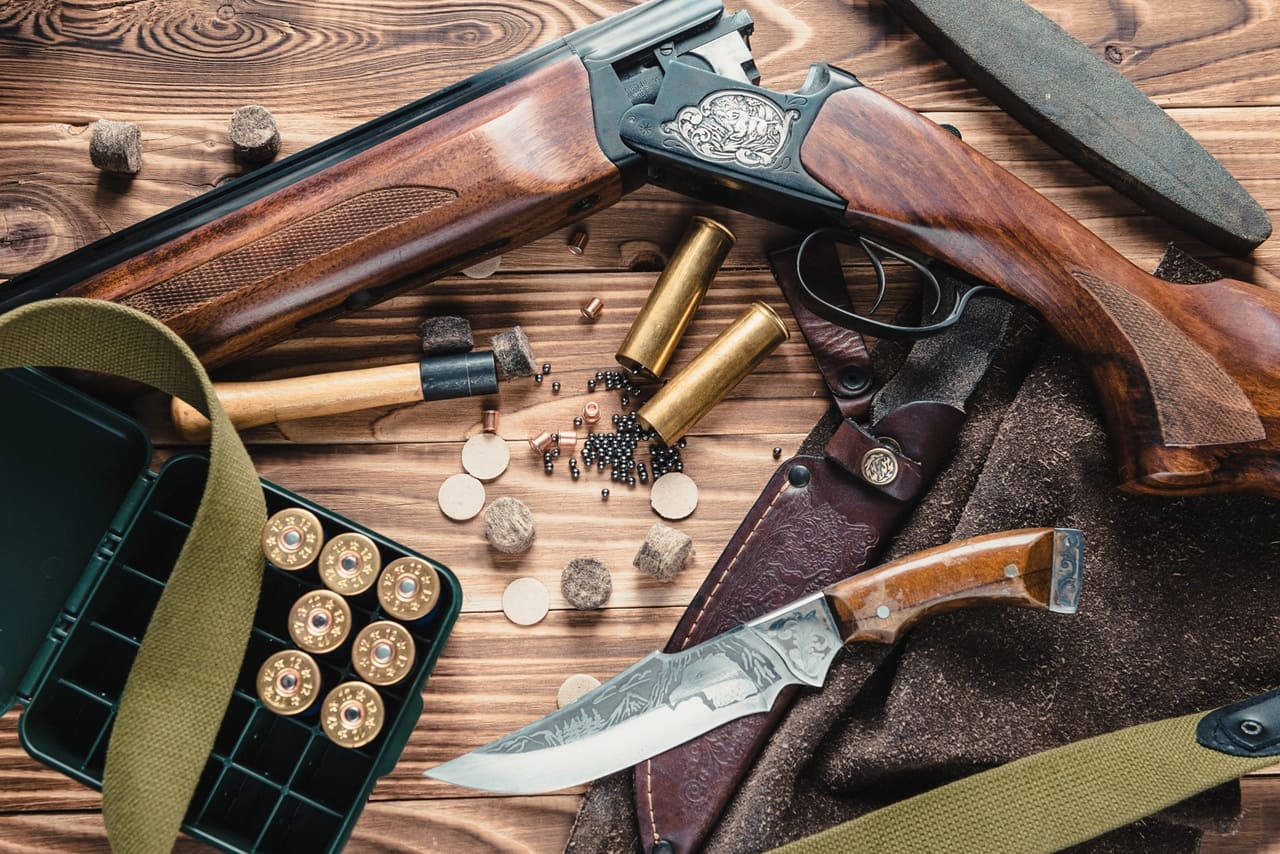
What many people do not know is that Swiss recreational hunters shoot over 10,000roe deer fawns every year. Roe deer fawns have at federal level only a minimal closed season from 1 February to 30 April. The same recreational hunter who rescues a roe deer fawn from death by mowing in the morning can shoot a roe deer fawn that very same evening. Many recreational hunters do this, also because of the tender meat, according to a call by Tarzisius Caviezel in the Graubünden hunting magazine. Roe deer fawns are easier to shoot and more popular among recreational hunters than older animals.
Grazing animals such as roe deer have become crepuscular and nocturnal because they have been pushed into this behaviour by recreational hunters. Roe deer no longer move across open fields as they once did, because they can be shot more easily there. As a result, roe deer prefer to remain under the cover of the forest and forage there (bud browsing). Ungulates as a whole have changed their behaviour and also “expanded” their actual habitat due to the hunting activities of recreational hunters. Wild boar, originally forest dwellers, “ravage” meadows and fields; red deer, originally inhabitants of open and semi-open landscapes, retreat into the forest; and roe deer, which actually prefer forest edges, now wander back and forth erratically.
More than 20’000 wildlife accidents occur year after year on Swiss roads and railways. Although collisions between cars and wild animals are usually minor for humans, according to the Federal Statistical Office around 100 people are slightly to seriously injured in animal accidents each year.
The main causes of death for roe deer are recreational hunting, road traffic and mowing machinery. In 2021, 43’166 roe deer were shot (female fawns 5’537, male fawns 4’676, does 14’818, bucks 18’095, unspecified 40). Wildlife casualties from traffic (road and rail) are recorded at 8’888. Agricultural machinery accounted for 1’460.
Recreational hunting does not result in fewer wild animals, but rather more births. Due to the high losses of young animals, the animals produce more offspring. More on the topic of population control.
| You can help all animals and our planet with compassion. Choose empathy on your plate and in your glass. Go vegan. |
More on the subject of recreational hunting: In the dossier The Role and Criticism of Recreational Hunters we shed light on the training, power and self-image of recreational hunters. The scientific evidence is presented in the overview Studies on the Effects of Recreational Hunting.
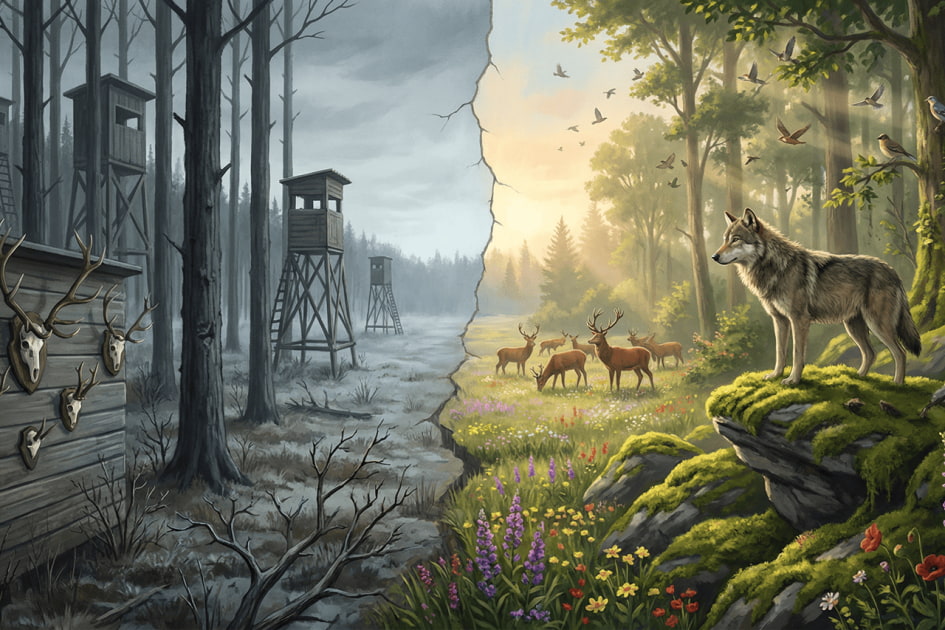
The position of IG Wild beim Wild: IG Wild beim Wild rejects recreational hunting. Our model is the canton of Geneva, which has managed without recreational hunting since 1974: without hunting seasons, without hunting dogs, without driven hunts, without high seats, without the animal cruelty and crime that go hand in hand with hunting season elsewhere. What has worked there for over fifty years disproves every position paper by JagdSchweiz. An association that bases its policy on claims it refutes in its own documents is not a professional organisation, but a factory for misinformation.