Scientists estimate that humans have cultivated more than 6’000 different plant species throughout history.
Over time, however, farmers have focused on the plants with the highest yields. Today, just three crops – rice, wheat, and maize – supply nearly half of the world's caloric needs.
This dependence on a small number of crops has made agriculture vulnerable to pests, plant-borne diseases, and soil erosion, all of which thrive in monocultures – that is, the simultaneous cultivation of only a single crop. It has also led to the loss of resilience found in other crops that can withstand droughts and other natural disasters.
In the face of the escalating climate crisis, farmers around the world are rediscovering ancient crops and developing new hybrids that prove more resistant to droughts or epidemics while also providing essential nutrients.
You hear all these statistics like: «We have lost 90% of our varieties«. «It was only recently that I realised the greatest sadness is not that we have lost this diversity. It is that we don’t even know that we have lost this diversity«, says Chris Smith, founder of the Utopian Seed Project.
Here is a look at four plants that farmers around the world are growing beyond rice, wheat, and maize, in the hope of being able to feed the planet as it warms:
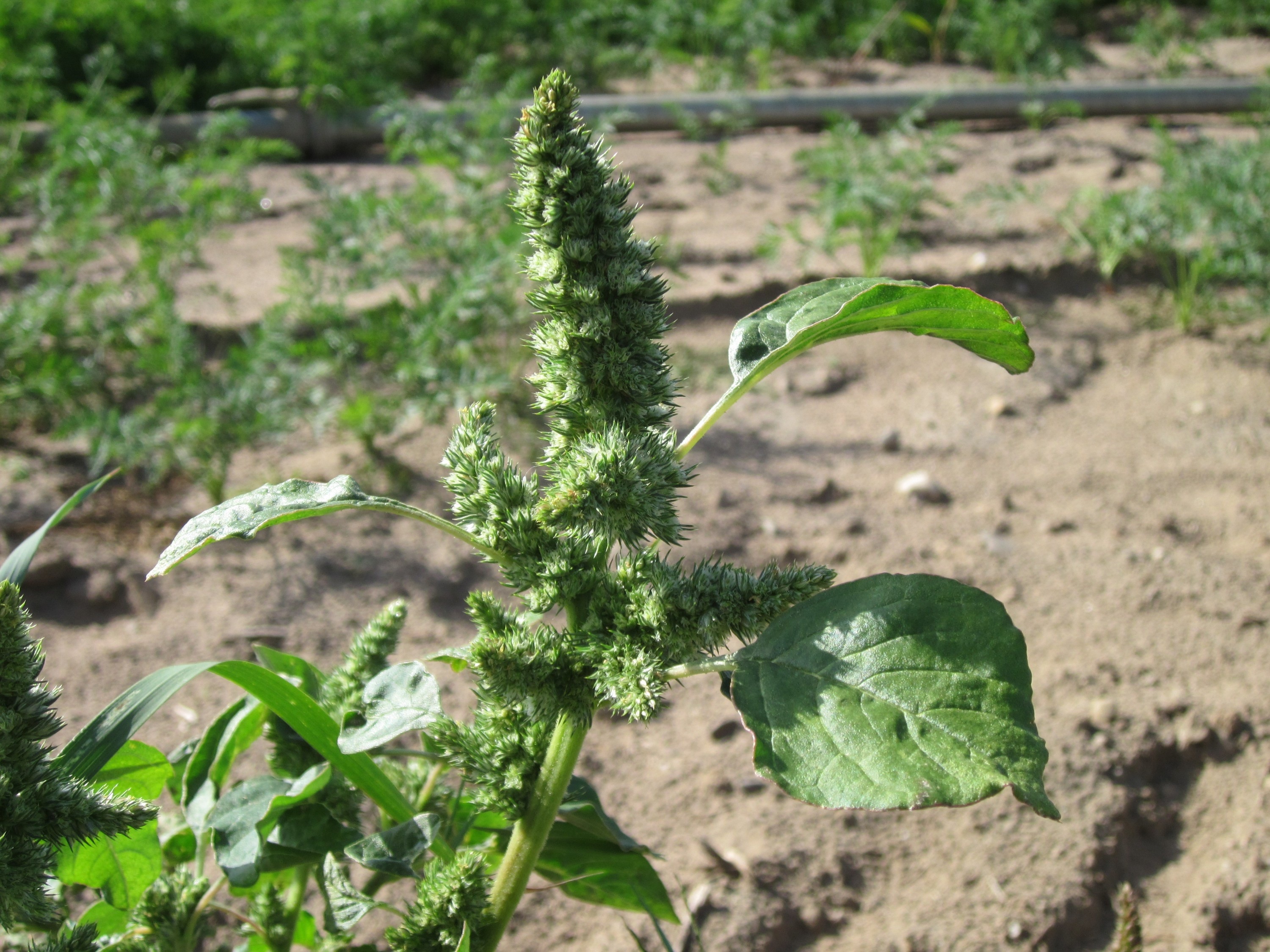
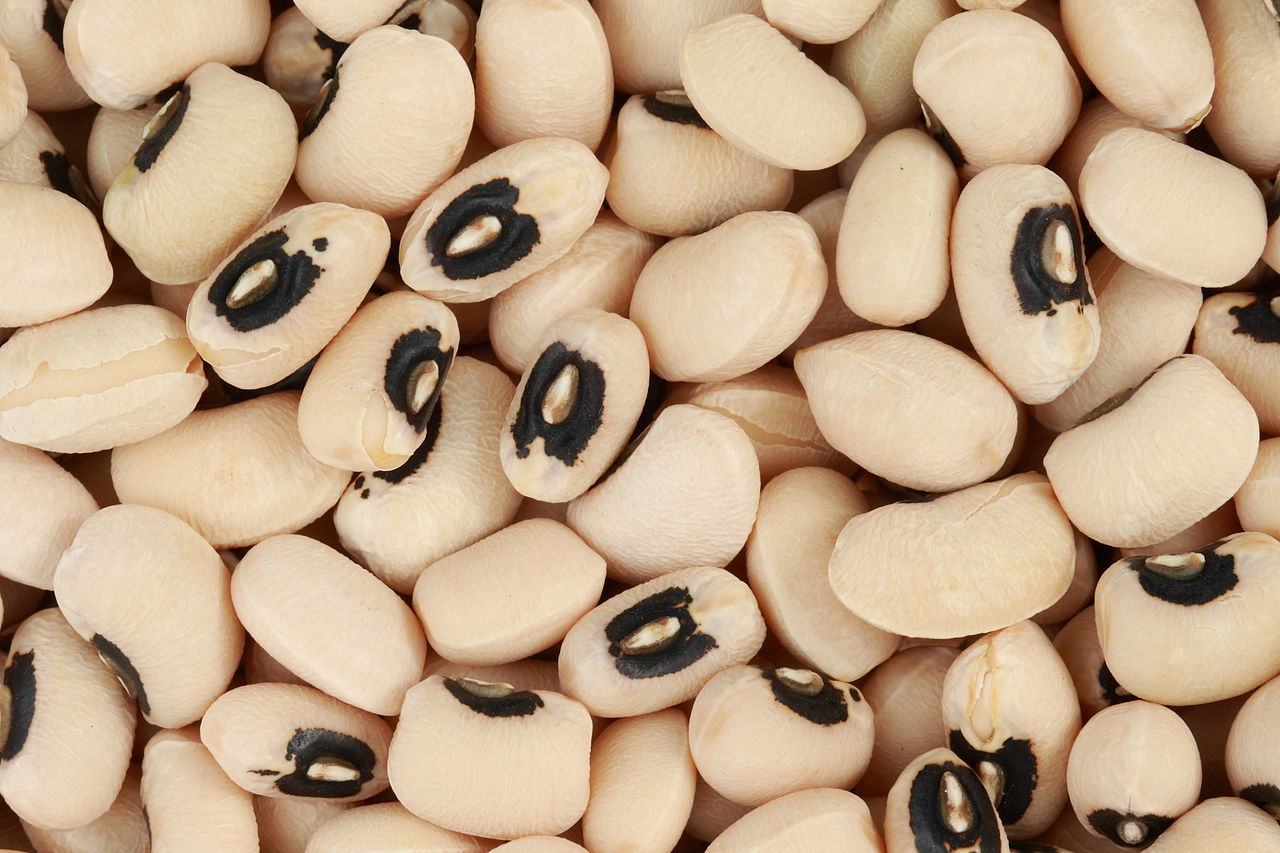
From leaf to seed, the entire amaranth plant is edible. The amaranth stalks, which can grow up to two metres tall, are crowned with red, orange, or green seed-filled plumes. In Africa and Asia, amaranth has long been eaten as a vegetable – while Native Americans also consumed the plant’s seeds: a pseudo-grain like buckwheat or quinoa.For thousands of years, farmers in West Africa have been cultivating fonio – a type of millet that tastes like a slightly nuttier couscous or quinoa. Historically considered the oldest cultivated grain in Africa, fonio was regarded by some as the food of chiefs and kings. In countries such as Senegal, Burkina Faso, and Mali, fonio was served on sacred occasions such as weddings and during Ramadan.In the 1940s, more than 5 million hectares of cowpeas were grown in the United States – most of them, as the name suggests, as hay for livestock feed. But long before the cowpea – also known as the southern pea or black-eyed pea – arrived in America, it was cultivated for human consumption in West Africa. Although cowpea production in the United States has declined in recent decades, the plant remains of great importance across much of Africa. Nigeria is the world's largest producer of cowpeas.In the tropics of Southeast Asia and Polynesia, taro has long been cultivated as a root vegetable, not unlike the potato. However, as rising temperatures threaten to make cultivation in its natural habitat increasingly difficult, farmers on the American mainland are attempting to grow the tropical perennial as an annual temperate-zone vegetable, since it does not survive the cold of American winters.Amaranth, fonio, cowpea, taro
Support our work
Your donation helps protect animals and gives them a voice.