My dog is hunting… – a trivial offence?
502 roe deer were killed by dogs in 2014. What does the law say, and what responsibility do dog owners bear?


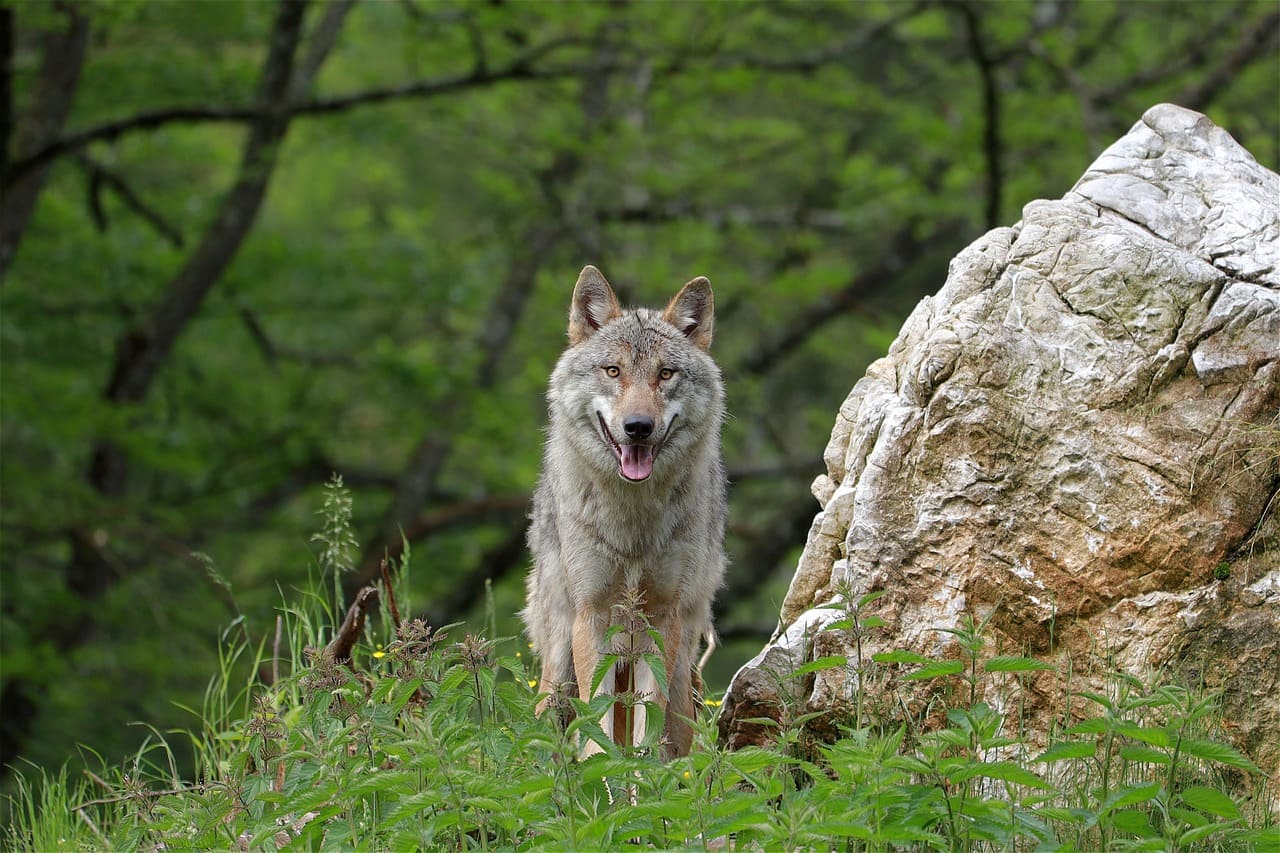
Dogs carry the genes of the wolf, and hunting is an instinct that has been passed down to them.
The hunting drive varies in strength depending on the breed. Many dog owners behave exemplarily with their dog, but some are overwhelmed by their dog's strong hunting instinct. This is how unwanted hunting incidents occur and come to public attention.
A sensitive issue — but what does it look like in numbers?
According to federal hunting statistics, in 2014 a total of 502 roe deer were killed by dogs in Switzerland. In the cantons of Zurich, Thurgau, St. Gallen and Schaffhausen, the figure was 193 in the roe deer casualty category. Although the number has been declining in recent years, the question remains: would it not be possible to minimise this figure through information, awareness-raising, training and education of dog owners? From an animal ethics perspective, this type of hunting is also highly problematic. It is well known that roe deer suffer mortal fear during a chase. An injured animal can lie unnoticed in the forest for days and die in agony.
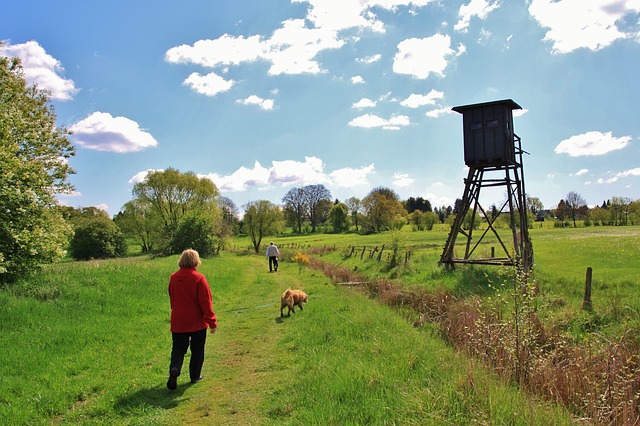
The law is clear on the matter: a dog is not permitted to hunt. In the canton of Zurich, for example, dogs must be kept within sight and at a short distance in forests or at forest edges, as well as outdoors after dark.
Laws and regulations
At the federal level, there is the Federal Act on Hunting and the Protection of Wild Mammals and Birds (JSG). It stipulates: anyone who intentionally allows dogs to poach without authorisation shall be punished with a fine of up to CHF 20,000. The cantons may provide for additional regulations.
Example: Canton of Zurich
In general, under the Zurich Dog Act (HuG), dogs must be kept, led and supervised in such a way that they pose no danger to people or animals. It is also prohibited to let dogs roam unsupervised in publicly accessible areas. In forests and at forest edges, as well as outdoors after dark, dogs must be kept within sight and at a short distance.
The law on hunting and bird protection in the canton of Zurich regulates hunting operations. Anyone who allows dogs to hunt without authorization, whether intentionally or negligently, is liable to prosecution and must compensate for any damage caused to wildlife. In the canton of Zurich, owners of dogs caught poaching are first issued a written warning. If the warning proves ineffective, dogs may be killed by hunting leaseholders and persons entrusted with hunting law enforcement. If the owner of the poaching dog is not known, the competent municipal council may authorize the shooting of the dog by hunting leaseholders or hunting police officers. However, in our view, a dog that can be deterred from poaching by milder measures — for example, one that can be caught — should also be stopped using the mildest available measure.
Municipalities may stipulate that in all or part of the territory of their wildlife reserves and bird protection woodlands, dogs that pose a danger to wildlife must be kept on a leash.
Dog owners bear a great responsibility — not least under the law — both for their dog and towards the environment.
Court practice
In autumn 2015, the Federal Supreme Court ruled on a hunting incident involving a dog. The facts of the case are summarized here for simplicity:
A woman was out with 5 dogs. She allowed all of the dogs to run freely. One of the dogs strayed from the group and began chasing a group of roe deer in the forest. After the dog returned, the woman failed to put it back on a leash. The incident was witnessed by another dog owner, who filed a complaint with the veterinary office and noted that this was not the first time she had had a negative experience with the other dog owner.
The High Court of the canton of Zurich found the woman guilty of negligently allowing a dog to hunt within the meaning of the Federal Act on Hunting and the Protection of Wild Mammals and Birds, as well as of failing to adequately supervise a dog within the meaning of the Dog Act. The appellant refused to accept this judgment and lodged an appeal. The Federal Supreme Court dismissed the appeal. In addition to a fine of CHF 500, the dog owner was also required to pay court costs of CHF 2,000.
Please note that every set of facts can only be assessed legally on the basis of the specific circumstances of the individual case.
Related dossiers and articles:
- Dossier: The roe deer in Switzerland
- Dossier: Hunting Dogs
- Dossier: Hunting Laws and Oversight
- Dossier: Hunting and Animal Welfare
- Dossier: Hunting in Switzerland
- Get Involved