Climate change causes mouse populations to explode
Due to climate change, mouse populations are increasing worldwide. Milder winters and longer breeding seasons are promoting reproduction.

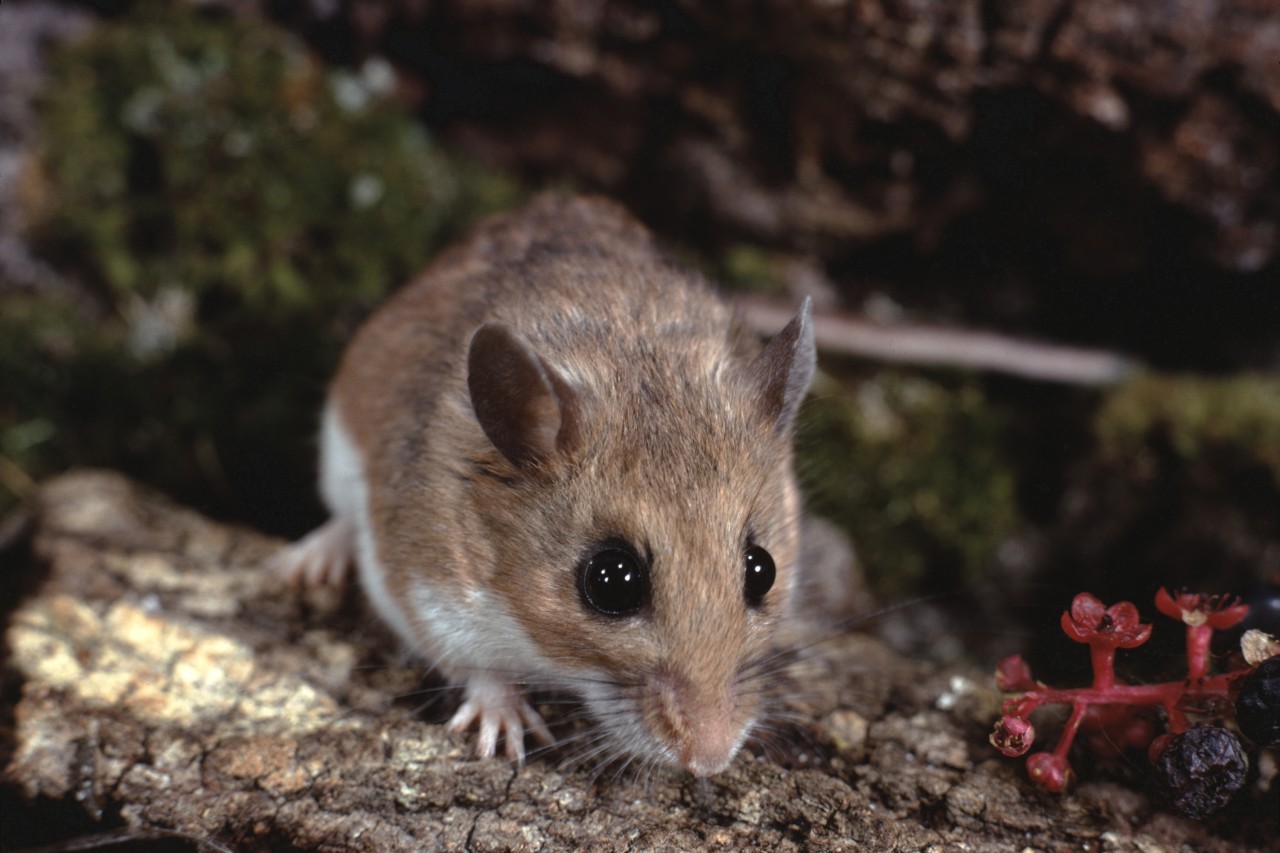
Researchers say that warmer temperatures and milder winters have increased the population of the white-footed mouse, the most common small rodent across much of the eastern United States and Canada, creating more work for pest control professionals.
Above-average temperatures were recorded last winter in most eastern and central US states. Since 1970, average winter temperatures in every state have risen by at least one degree Fahrenheit (0.6 Celsius), with states in the Northeast and Great Lakes region warming by more than 1.7 degrees Celsius.
While mouse populations normally decline during long winters, warmer winters due to climate change mean that fewer mice die before spring, according to Christian Floyd, a wildlife biologist at the University of Rhode Island.
These small mammals spend their whole lives shivering. They lose heat so quickly. When winter becomes milder, they survive better. The mice don't have to shiver as much, and they are also less likely to starve because they have more opportunities to forage for food.
Christian Floyd
Susan Hoffman, associate professor of biology at Miami University in Oxford, Ohio, said that white-footed mice have migrated past a transitional zone that long served as a dividing line for many species, noting that they have spread across North America «surprisingly quickly» – about 125 miles in 30 years, 15 times farther than previously expected.
Do more mice pose a danger to homeowners?
The white-footed mouse, which has historically spread from the Tennessee Valley to the northern Atlantic coast, has already extended its northern boundary to Quebec in Canada, according to Hoffman.
By 2050, the mouse population is expected to migrate northward in even greater numbers, as the warming climate also shifts their preferred forest habitats further north.
This migration has also been observed in other animal species, such as chipmunks, flying squirrels, and jumping mice, she said.
«Several indicators suggest that warmer temperatures and general climate impacts are enabling survival further north«, said Hoffman, adding that humans are also likely responsible for some mice inadvertently making their way north in cars, boats, and recreational vehicles.
Scientists say that the spread of rodents could lead to more mice in and around homes.
Michael Bentley, Director of Training and Education at the National Pest Management Association, noted that increased mouse activity also means pest control professionals must spend more time eliminating food sources and entry points in homes in order to control mouse populations.
I would say 30 to 40 percent of our calls involve mice, which is quite surprising given the time of year. They just adapt and keep spreading… and there are more of them.
This is already the case in Indiana, where Allie Dickman, Director at AAA Pest Control, said that technicians recorded an increase in mouse-related calls this winter. Well into spring, more mouse-related services were requested in rural and suburban homes as well as in urban buildings.
What about the impacts on human health?
Experts also warn of even greater public health implications, as white-footed mice are a natural reservoir for Lyme disease bacteria, which in turn can infect ticks that may transmit Lyme disease to humans.
The bacterial disease, which can cause fever, fatigue, joint pain, and rash as well as more serious complications in the joints and nervous system, is the most commonly reported tick-borne illness.
In Maine, Vermont, and New Hampshire, reported cases have so far seen the sharpest increases, which the U.S. Environmental Protection Agency attributes in part to climate change.
Elliot Smythe, a 53-year-old farmer near Randolph, Vermont, said he has been paying closer attention to the growing number of mice and ticks on his property after his 15-year-old son contracted Lyme disease last fall.
«Living in a fairly rural area, mice hadn't bothered me that much«, said Smythe. «But when they keep coming back and become a nuisance … well, then I have a problem.»
Over time, the northward shift of mice could result in fewer rodents in the more southern regions of the US, according to Floyd, but in areas of the Midwest, New England, and Canada, they could appear in greater numbers.
«We need more research to better understand where and how quickly (the mice) are moving«, he said. «We also need to learn more about how wetter conditions due to climate change might play a role. There is still a lot to learn.»