More Animal Welfare in Swiss Canteens Demanded
New campaign by VIER PFOTEN International Animal Welfare Organisation — «whatthelunch» calls for more animal welfare in Swiss canteens. Reduced meat consumption and animal products from more animal-friendly farming practices should serve as guiding principles.


The new campaign «whatthelunch» calls on students at Swiss secondary schools to advocate for greater animal welfare in their canteens.
Currently, school canteens are generally oversupplied with meat, while vegetarian or vegan alternatives are scarce. The campaign aims to encourage secondary schools to embrace their role as models for students and to take responsibility towards people, animals, and the environment.
Animal suffering, climate change, and negative consequences for health. All of this because of a quick school lunch — which really makes you wonder:What the lunch? Today, more and more people are living vegetarian or vegan lifestyles, or identify as flexitarians, because they consciously choose to consume fewer or no animal products at all. With every purchase of milk, eggs, meat, and the like, a decision is made about the conditions under which farm animals live. This applies not only to private purchases, but also when a large public institution — such as a school — buys food.
Lack of Clear Guidelines and Transparency
Last year, VIER PFOTEN published a report highlighting the shortcomings in animal husbandry, a lack of transparency in public procurement processes, and the absence of animal welfare requirements. There are no legal animal welfare criteria to be considered when purchasing food. The federal government, as well as cantons and municipalities, often prioritise regional and seasonal sourcing when procuring food. While this is commendable, there are nonetheless hardly any concrete obligations for procuring institutions such as schools, care homes, and so on. Even voluntary sustainability guidelines mostly contain no animal welfare provisions.
As a result, there is a near-total lack of clear guidelines and transparency on the issue of animal welfare at virtually every level.
Missing Animal Welfare Criteria in Swiss Secondary Schools Too
This is also reflected in the school cafeterias of state grammar schools and cantonal schools. Currently, school cafeterias often have an oversupply of (cheap) meat, while a wide range of creative, plant-based alternatives is frequently lacking. As a rule, regional sourcing is taken into account, yet animal products from conventional farming are still being procured.There is no doubt that many farm animals suffer under common husbandry systems. This applies to meat, dairy, and eggs from domestic production as well as to imported goods. This not only causes immense suffering for the animals, but also has serious consequences for our environment and public health. The animal products used should demonstrably originate from production that pays significantly greater attention to animal welfare.
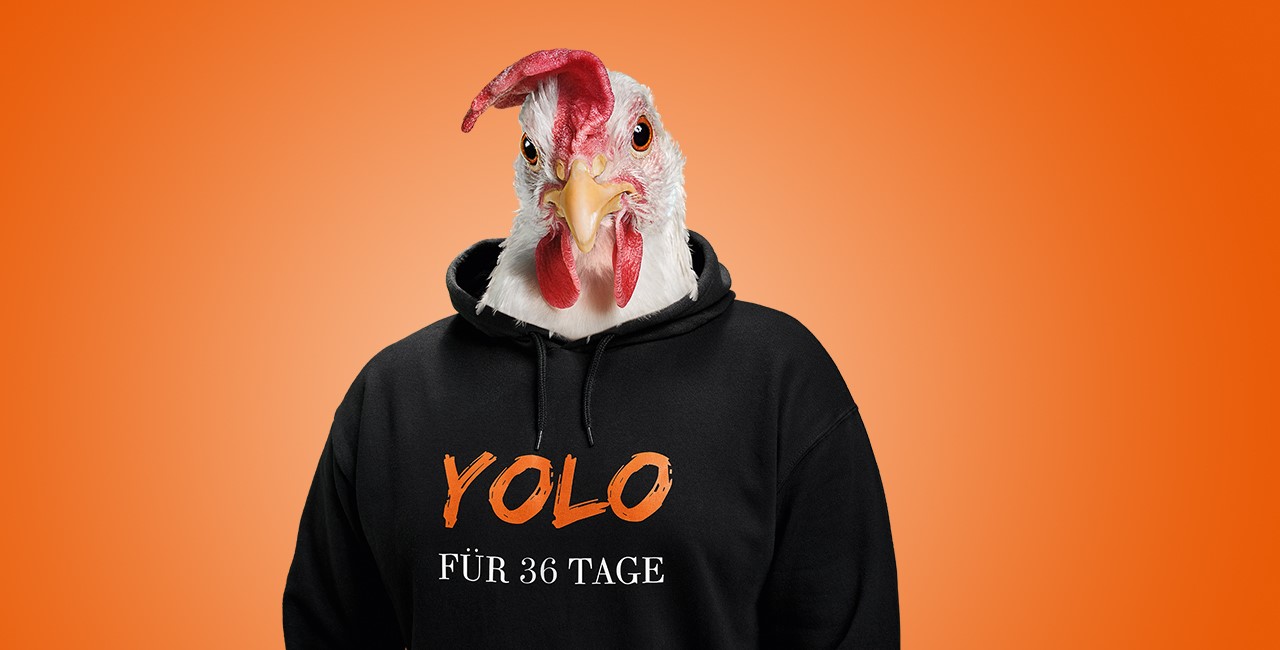

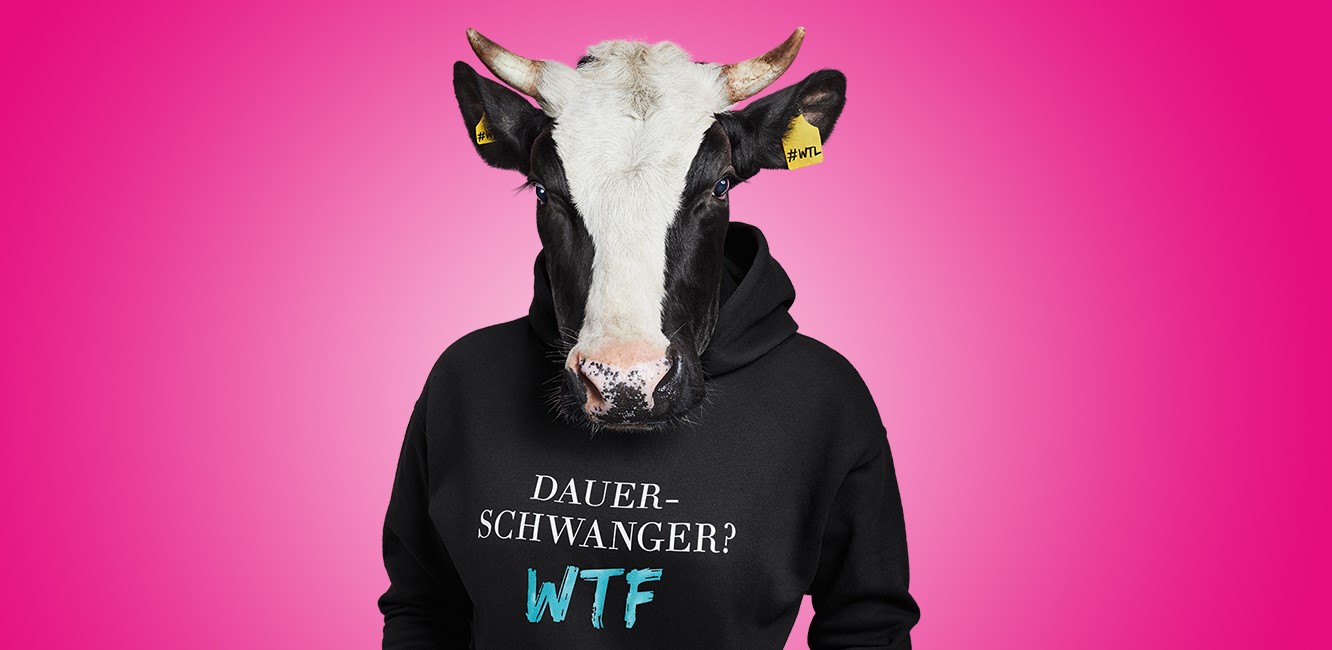
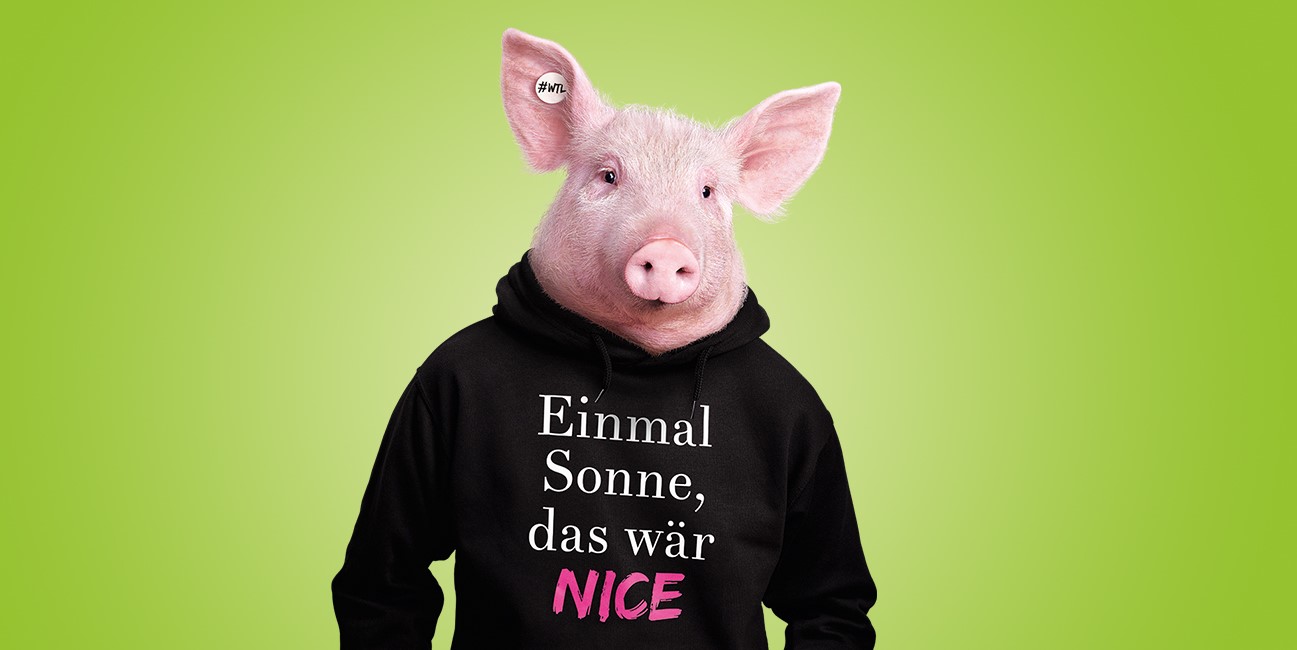
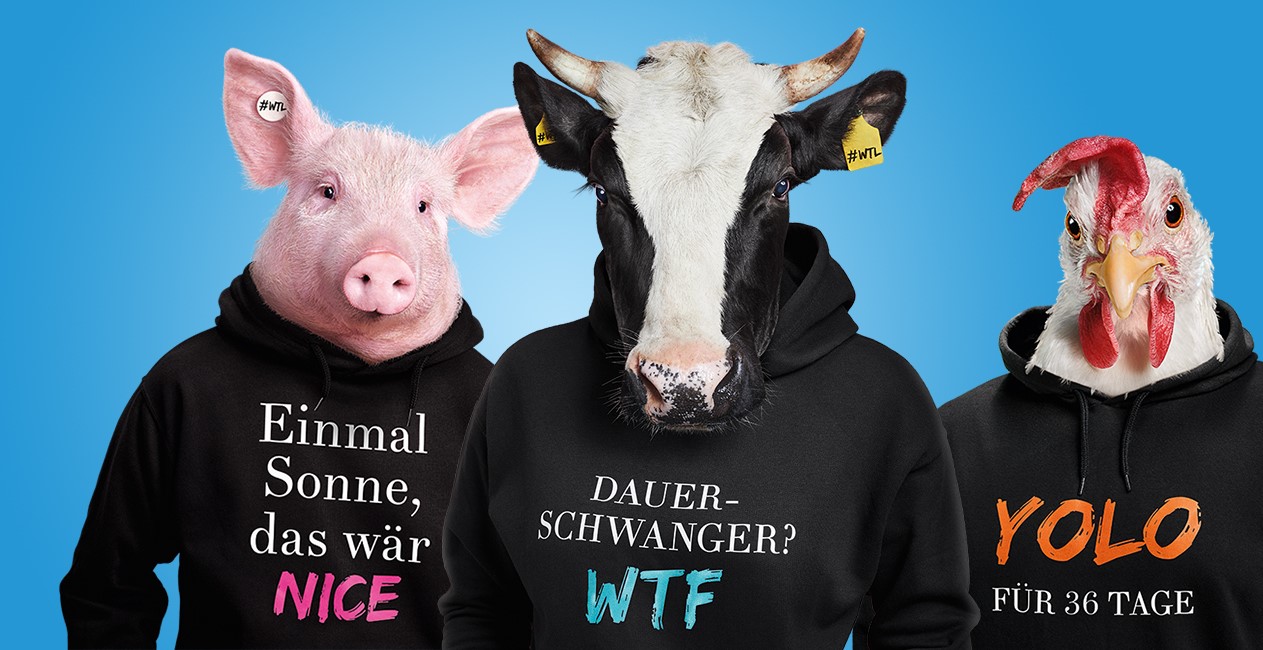
A new perspective to raise awareness of the problem
Schools have a role-model function when it comes to nutrition for their students. With the new campaign “whatthelunch,” VIER PFOTEN wants to call on schools to take their responsibility seriously.
“Animal welfare problems exist in Switzerland too. That is why animal products from conventional farming should have no place in school cafeterias or other public institutions.”
Lucia Oeschger
VIER PFOTEN’s campaign is not only about raising students’ general awareness of animal welfare and nutrition, but also about encouraging them to critically question the food on offer at their own school. With the current campaign, students are being called upon to get involved in bringing the topic to the table at their school and to show that they care about what lies behind the food in their cafeteria.
More on the subject of recreational hunting: The scientific evidence is presented in the overview Studies on the Effects of Recreational Hunting.
The position of IG Wild beim Wild: IG Wild beim Wild rejects recreational hunting. Our model is the canton of Geneva, which has managed without recreational hunting since 1974: without hunting seasons, without hunting dogs, without driven hunts, without high seats, without the animal cruelty and crime that go hand in hand with hunting season elsewhere. What has worked there for over fifty years disproves every position paper by JagdSchweiz. An association that bases its policy on claims it refutes in its own documents is not a professional organisation, but a factory for misinformation.