Migros Aare no longer sells fireworks
In the cantons of Bern, Solothurn and Aargau, Migros will no longer sell fireworks. This decision was made by the management of the Migros Aare cooperative, citing economic and ecological reasons.

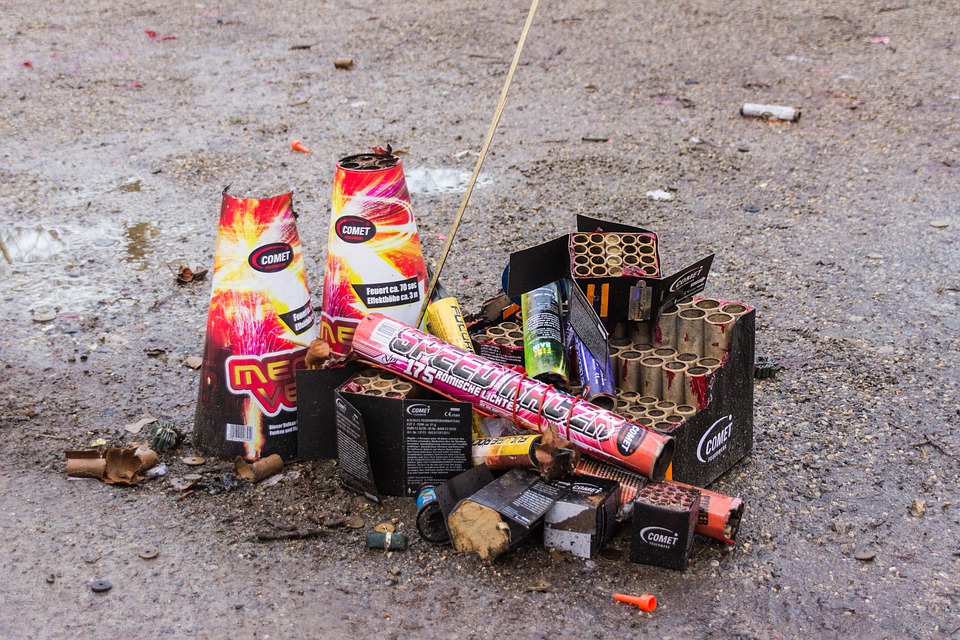
In the cantons of Bern, Solothurn and Aargau, Migros will no longer sell fireworks. This decision was made by the management of the Migros Aare cooperative, citing economic and ecological reasons.
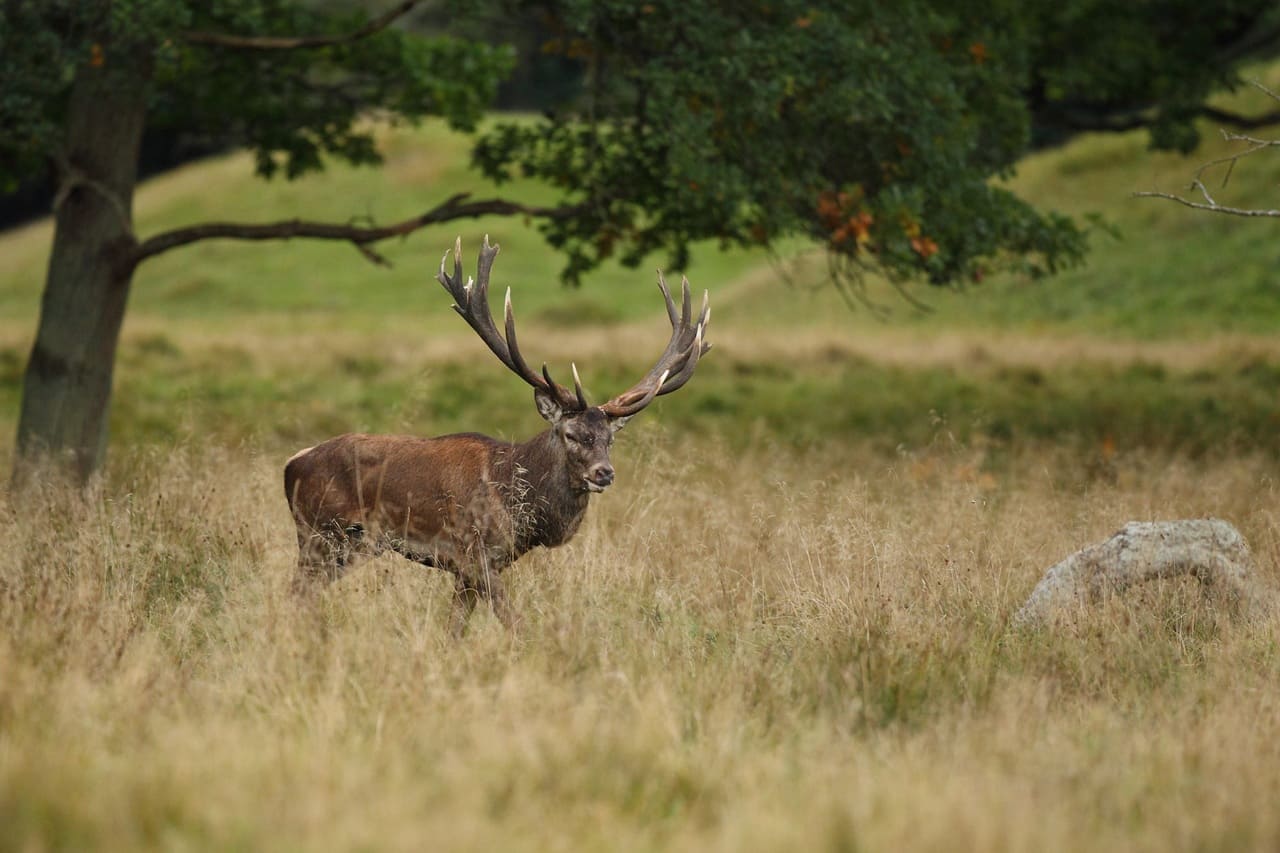
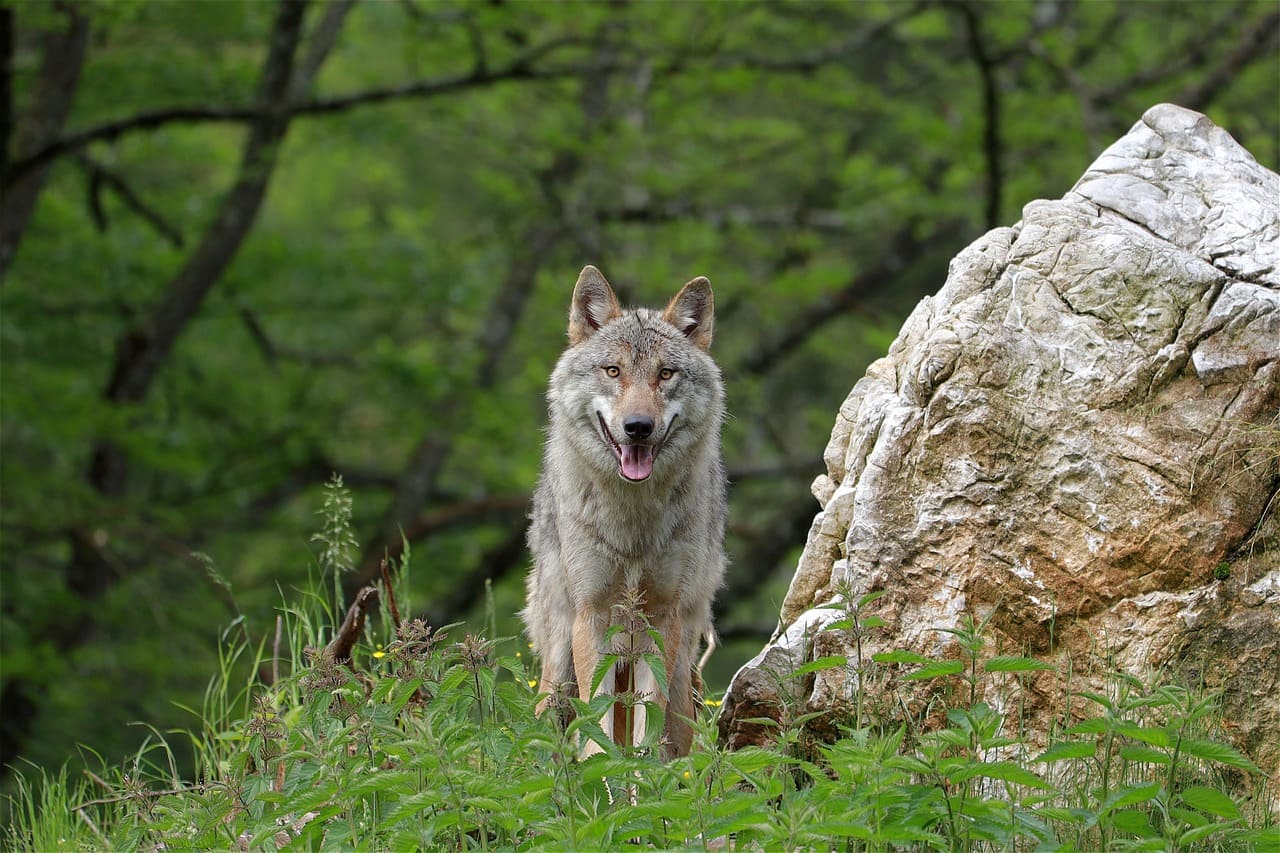
Without a bang or spectacle: This year, the municipality of Arosa already did without a traditional fireworks display on National Day. Now the trend continues.Fireworks are a torment especially for animals. Wildlife is — unsurprisingly — extremely disturbed by fireworks noise. For example, wild animals are reminded of negative experiences with hunters. Therefore, no fireworks should be set off at forest edges, clearings, or in parks and nature reserves.
On the one hand, Migros Aare expects increasingly hot, dry summer months in the future. «We therefore anticipate that fireworks bans will become more frequent», explains spokeswoman Andrea Bauer.
Migros Aare is getting ahead of these bans with this decision. The logistical effort is also considerable, requiring special containers and staff.The management also made the decision out of consideration for the environment.
German media reported last week, citing the Federal Environment Agency, that air pollution from health-hazardous fine particulate matter is as high on New Year's Eve in many places as it is throughout the rest of the entire year — particularly in major cities.
The animal rights organisation PETA commissioned the market research company GfK to conduct a representative survey. The result: More than half of all Germans would be happy to forgo loud fireworks. 58.2 percent of respondents were in favour of ringing in the new year without loud fireworks, and among the women surveyed the figure was as high as 65 percent.