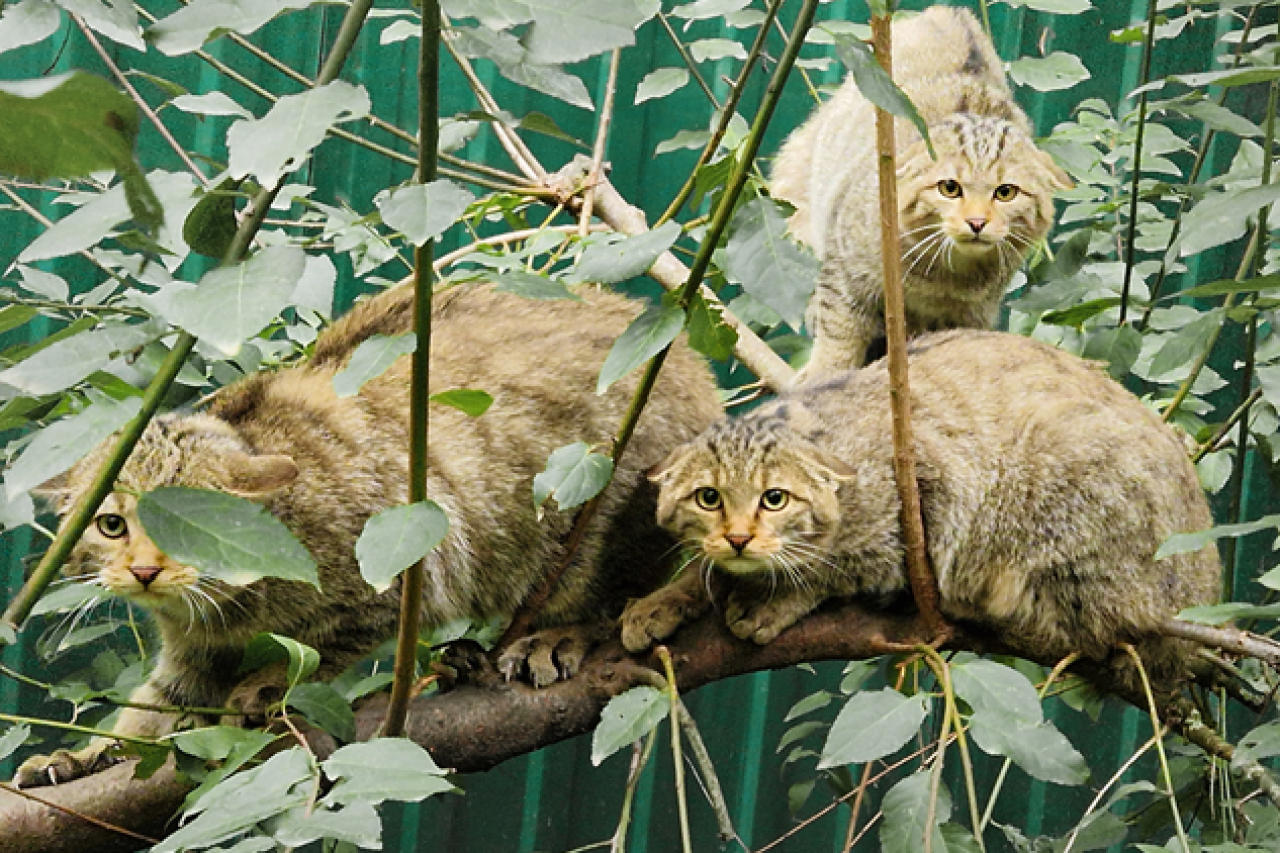
European chimpanzees suffer from vitamin D deficiency
Many European chimpanzees in zoos suffer from vitamin D deficiency. The unnatural keeping conditions endanger the health of the great apes.


Vitamin D deficiency is currently regarded by many as a pandemic affecting over one billion people worldwide.
This vitamin is known for its important role in maintaining calcium levels in the body and contributes to the smooth functioning of bones and muscles. However, the spectrum of its biological functions is much broader, and persistent vitamin D deficiency has been linked to a range of health disorders, such as cardiovascular and autoimmune diseases, cancer and respiratory infections.
While the function of vitamin D in humans has been largely researched, comparatively little is known about its role in non-human primates. An international team of scientists and zoo veterinarians has now launched a Europe-wide research project to investigate the presence and role of this vitamin in chimpanzees.Their analysis revealed that inadequate vitamin D levels are widespread among chimpanzees living in Europe, which could prove to be a significant risk factor for the development of idiopathic myocardial fibrosis (IMF), a puzzling heart condition that frequently affects them.
This is an important piece of research for better understanding the factors that contribute to maintaining a healthy chimpanzee population in human care for the future of the species. Such a broad range of individuals and locations has not been studied before, and this highlights possible new avenues for the care of these animals.
Melissa Grant, University of Birmingham
The researchers analyzed samples from approximately 20% of the chimpanzees living in Europe across 32 zoos and rescue centers, and found significant vitamin D deficiency in many of these samples. The results showed, however, that unlimited access to outdoor areas led to higher vitamin D levels, even in animals living in northern Europe, where sunny days are relatively rare. In addition, there were also differences in vitamin D levels between seasons — as is the case with humans. In many chimpanzees, however, vitamin D levels at the end of summer are typically not high enough to prevent deficiency during winter.
«Vitamin D plays an important role in the transcriptional control of pro-fibrogenic and pro-inflammatory factors in the body, meaning that adequate vitamin D levels are vital for the health of chimpanzees in our care«, said the study's lead author, Kerstin Baiker, a pathologist at the City University of Hong Kong.
These findings could shed light on how chimpanzees are cared for in zoos and rescue centers, and hopefully contribute to an improvement in animal welfare standards. «This is a really good example of clinical research influencing best practice: unlimited access to outdoor areas for these animals in captivity is likely more important than we previously thought«, concluded co-author Kate White, an expert in veterinary medicine at the University of Nottingham.
More on the subject of recreational hunting: What the research says about this is shown by Hunting fact-checked: the state of research.
The position of IG Wild beim Wild: IG Wild beim Wild rejects recreational hunting. Our model is the canton of Geneva, which has managed without recreational hunting since 1974: without hunting seasons, without hunting dogs, without driven hunts, without high seats, without the animal cruelty and crime that go hand in hand with hunting season elsewhere. What has worked there for over fifty years disproves every position paper by JagdSchweiz. An association that bases its policy on claims it refutes in its own documents is not a professional organisation, but a factory for misinformation.