In Europe and beyond, the tide is turning in favour of nuclear energy
Last month's power outage in Spain and the energy demands of AI data centres are prompting politicians to hit the restart button.

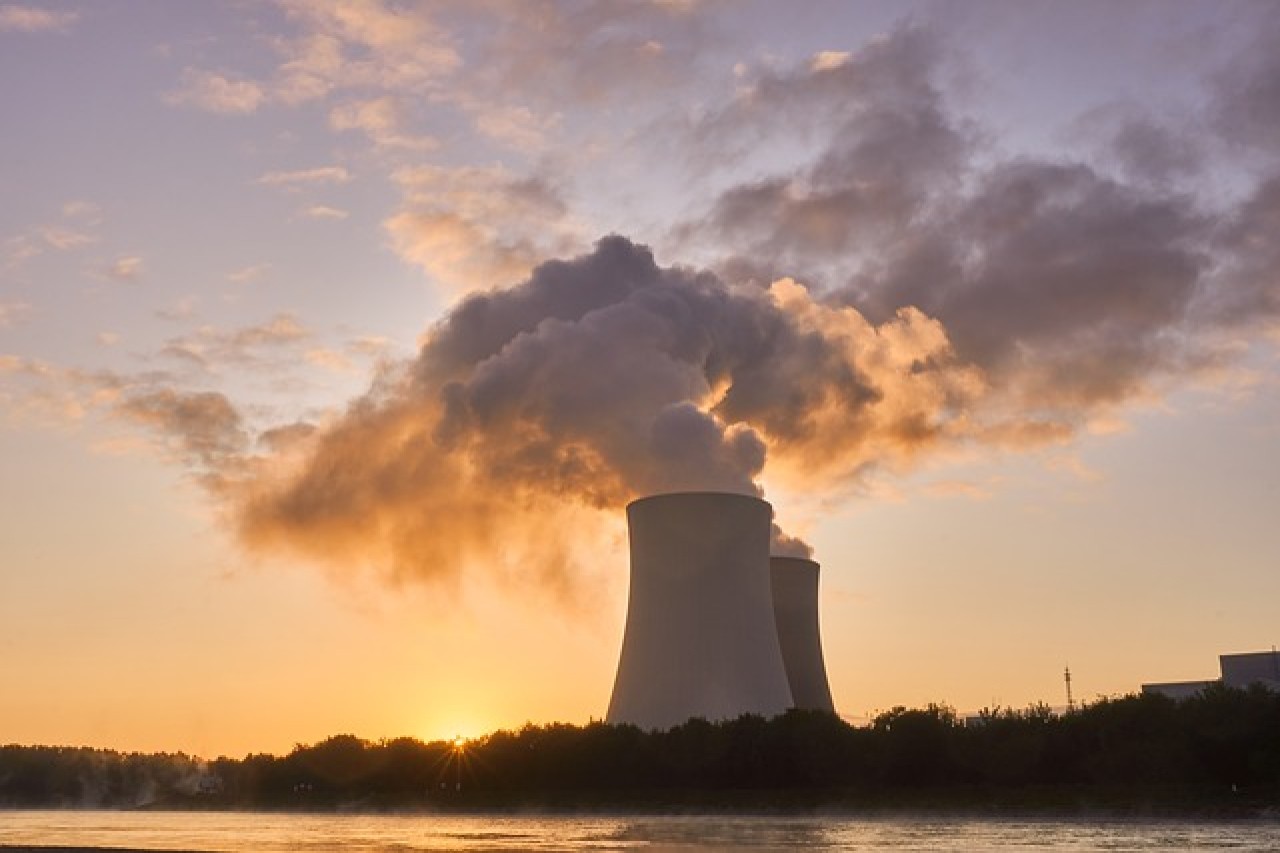
When millions of people across the Iberian Peninsula were left without electricity last month, it triggered a political debate about Europe's renewable energy agenda and fuelled growing interest in nuclear power.
The largest power outage in Europe in decades, whose causes remain largely unexplained, has raised questions about whether renewable energies are reliable as a stable source of clean energy. It has also reignited interest in the already ongoing global nuclear energy renaissance.
Despite longstanding environmental concerns about nuclear energy, policymakers around the world are increasingly seeking to lift restrictions on nuclear reactors or invest billions in new projects, in order to keep pace with the rapidly rising demand for low-carbon energy — a demand that is expected to accelerate further with the growth of AI data centres.
In Spain, the power outage has intensified the ongoing debate about the government's plans to decommission the country's remaining seven nuclear reactors by 2035. Support for the low-carbon energy source has resurged, accompanied by criticism of renewable energies and their possible role in the outage.
At the time of the power outage, Spain's electricity grid was drawing approximately 70% of its power from renewable energy sources, which experts believe may have made it more difficult for the grid operator to maintain a stable network frequency.
This assumption was vehemently rejected by Spanish Prime Minister Pedro Sánchez in the country's parliament. Just a few hours after the blackout, he said: "There was no problem due to an excess of renewable energy. Those who link this incident to a lack of nuclear energy are either lying or revealing their ignorance."
Yet even before the Iberian Peninsula descended into chaos, critics of the government's anti-nuclear stance had voiced their concerns. A few weeks before the blackout, the chairman of renewable energy company Iberdrola, which holds a small stake in the country's nuclear power plants, warned Spain about its plans to shut down all seven nuclear power plants by 2035.
Ignacio Galán predicted that Spain would have to reckon with a rise in electricity prices of a quarter and a less reliable system if Madrid followed the example of Germany, which had begun decommissioning its nuclear reactors after the Fukushima nuclear disaster in 2011 and completed the phase-out in 2023.
A few days later, Sama Bilbao y León, Director General of the World Nuclear Association, told a conference in Madrid that she was "concerned about the economic future of Spain without nuclear energy", as its economic progress depended on "abundant, clean and affordable energy available every day and throughout the year".
In Germany, the hard stance against nuclear energy is already softening. Federal Chancellor Friedrich Merz, who took office in February, criticised the previous government for having shut down Germany's last three nuclear power plants in the midst of the European energy cost crisis, and promised to examine whether restarting the facilities would be possible.
Merz is not expected to support a return to new conventional nuclear projects in Germany, but he has pledged to invest in new technologies, such as small modular reactors (SMR) and nuclear fusion. The Swiss government has also announced that it will lift the ban on the construction of new nuclear power plants, in force since 1 January 2018, in order to advance SMR projects.
In the future, new nuclear power plants could be built in Belgium again. The country is also moving away from the currently planned shutdown dates. The Belgian parliament approved a corresponding change in the law by a large majority in mid-May 2025. This puts an end to the repeatedly postponed nuclear phase-out, and the Belgian reactors currently connected to the grid can continue to operate.
Denmark is examining the possibility of entering nuclear power, reports, among others, the Frankfurter Rundschau, and this despite the fact that the country has had a ban on nuclear power since 1985 and largely supplies itself with wind energy.
Outside Europe, too, the tide is turning. At some point this summer, Taiwan is expected to vote on whether to restart a nuclear reactor that was only shut down last week. The reason for this is concern on the island about the growing electricity demand of some of the world's largest chip manufacturers based there, as well as about energy security in the event of a military blockade by China.
Concern about a looming surge in electricity demand from tech giants and the desire for secure, domestic, low-carbon energy sources are widespread in countries around the world. This trend is a key driver of the renewed interest in nuclear energy.
In the United States, the notorious Three Mile Island nuclear power plant in Pennsylvania is being restarted for the first time in five years, after its owners signed a 20-year contract to supply electricity to Microsoft's energy-hungry AI data centers. Tech companies such as Amazon, Meta and Apple are expected to consume enormous amounts of energy to drive the AI boom, and nuclear power has emerged as an increasingly popular option due to its consistent round-the-clock electricity generation.
US President Donald Trump, who has criticized the Biden administration's support for renewable energy, unveiled a series of executive orders this month aimed at building ten large nuclear reactors by 2030 and quadrupling the country's nuclear energy capacity by 2050. The move has been welcomed by nuclear energy advocates as a contribution to reducing emissions in the United States and to supporting Big Tech.
Further articles
- Wildlife in Switzerland is contaminated with plastic
- Environmental impacts of wind turbines: The dangers of PFAS for wildlife
- Study on the influence of wind turbines on weather
- Offshore wind farms could pose significant risks to the ecosystem, the economy, and human health
- The effects of wind farms on soil moisture and local climate
- Wind turbines cause exactly what they were supposed to prevent
- Solar module waste: The disposal problem
- The effects of wind turbines on wildlife and the debate around clean energy
- «Two new large nuclear power plants are sufficient for Switzerland»
- Wind energy and marine fauna: No harmonious coexistence
- Scandalous secret contracts between wind energy promoters and Bernese municipalities