500 illegally kept birds seized in the Neuchâtel Jura
More than 500 illegally kept birds were seized in the Neuchâtel Jura. Four individuals are suspected of violations of animal welfare and hunting legislation.

Criminal investigation against four suspects
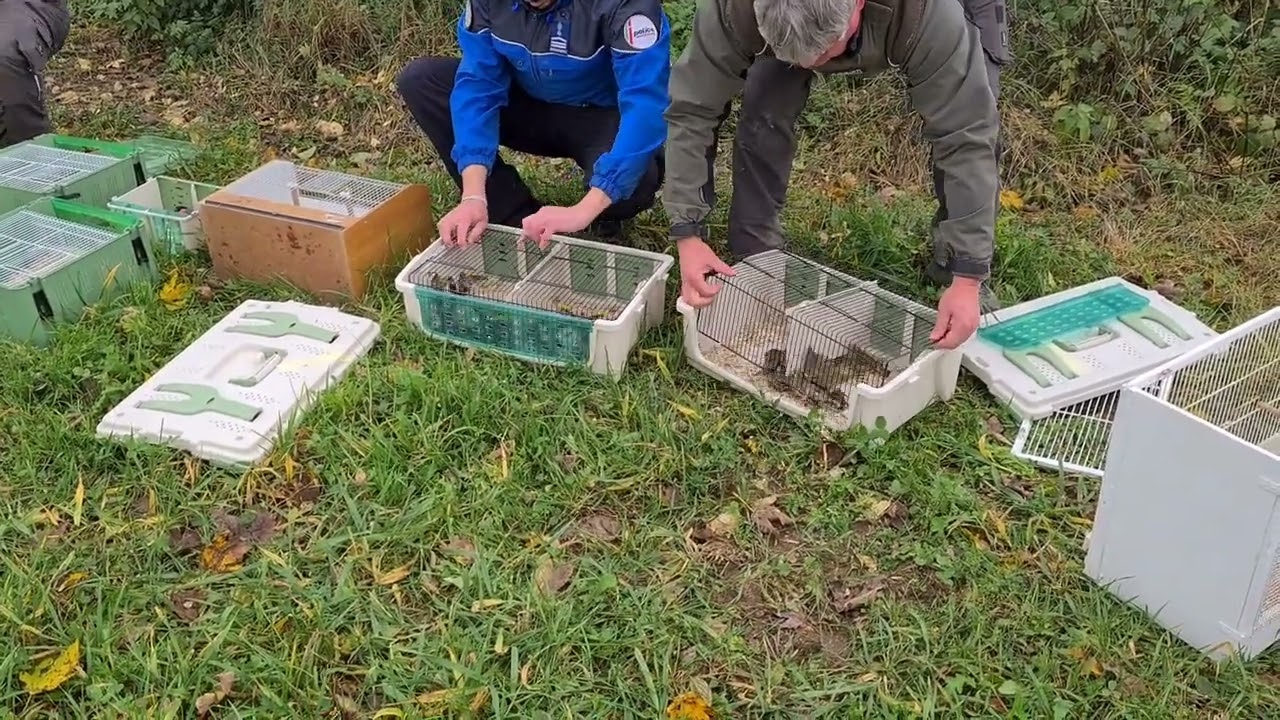
More than 500 native and exotic birds kept illegally in cages were seized on Monday in the Neuchâtel Jura.
Four individuals were questioned. The public prosecutor's office opened a criminal investigation against the suspects.
They are suspected of violating the Animal Welfare Act and the Hunting Act, as the Neuchâtel cantonal police reported on Thursday. Authorities seized trapping cages, nets, and whistles used to imitate birdsong in the Val-de-Ruz, with a combined value of between 40’000 and 100’000 francs.
Illegal trade as a criminal offence
The criminal offence of illegal trade in protected animal and plant species is classified as a criminal offence rather than a fine. Under the law, a criminal offence is established when the perpetrator acts commercially or as part of an organised gang, or when the offence involves a large number of protected specimens.
Native birds released
The approximately 200 native birds — primarily greenfinches, linnets, and bullfinches — were destined for resale within Switzerland and abroad. The animals had been caught using traps set up in forests. The native birds were released back into the wild.
According to BirdLife, bird smuggling and trade both to discerning collectors and casual bird enthusiasts. In Cyprus alone, the illegal trade in wild birds is estimated at ten million euros per year.
More on the subject of recreational hunting: In the dossier Poaching and hunting crime in Switzerland we document cases, legal questions and recurring patterns. What the research says about this is shown by Hunting fact-checked: the state of research.
The position of IG Wild beim Wild: IG Wild beim Wild rejects recreational hunting. Our model is the canton of Geneva, which has managed without recreational hunting since 1974: without hunting seasons, without hunting dogs, without driven hunts, without high seats, without the animal cruelty and crime that go hand in hand with hunting season elsewhere. What has worked there for over fifty years disproves every position paper by JagdSchweiz. An association that bases its policy on claims it refutes in its own documents is not a professional organisation, but a factory for misinformation.