Hunting in Switzerland: The public is poorly informed about recreational hunting
Myths and hunting propaganda are circulating about hunting in Switzerland. The public is poorly informed. A fact-check from the perspective of animal welfare and wildlife protection.


The militant association «Jagd Schweiz» commissioned the company Demoscope AG to conduct a survey that reveals in an alarming way how poorly the Swiss public is informed about recreational hunting.
It is interesting that the same company Demoscope conducted a hunting-related survey a year ago. However, it apparently reaches different conclusions regarding animal welfare than the survey by the recreational hunters of Jagd Schweiz that is now making the rounds on the internet.
64% in favour of banning den hunting
While the association Jagd Schweiz claims that “the large majority of the Swiss population believes that hunting in this country is conducted sustainably and in accordance with animal welfare standards,” the reality revealed by the Swiss Animal Protection STS survey looks, in part, like this:
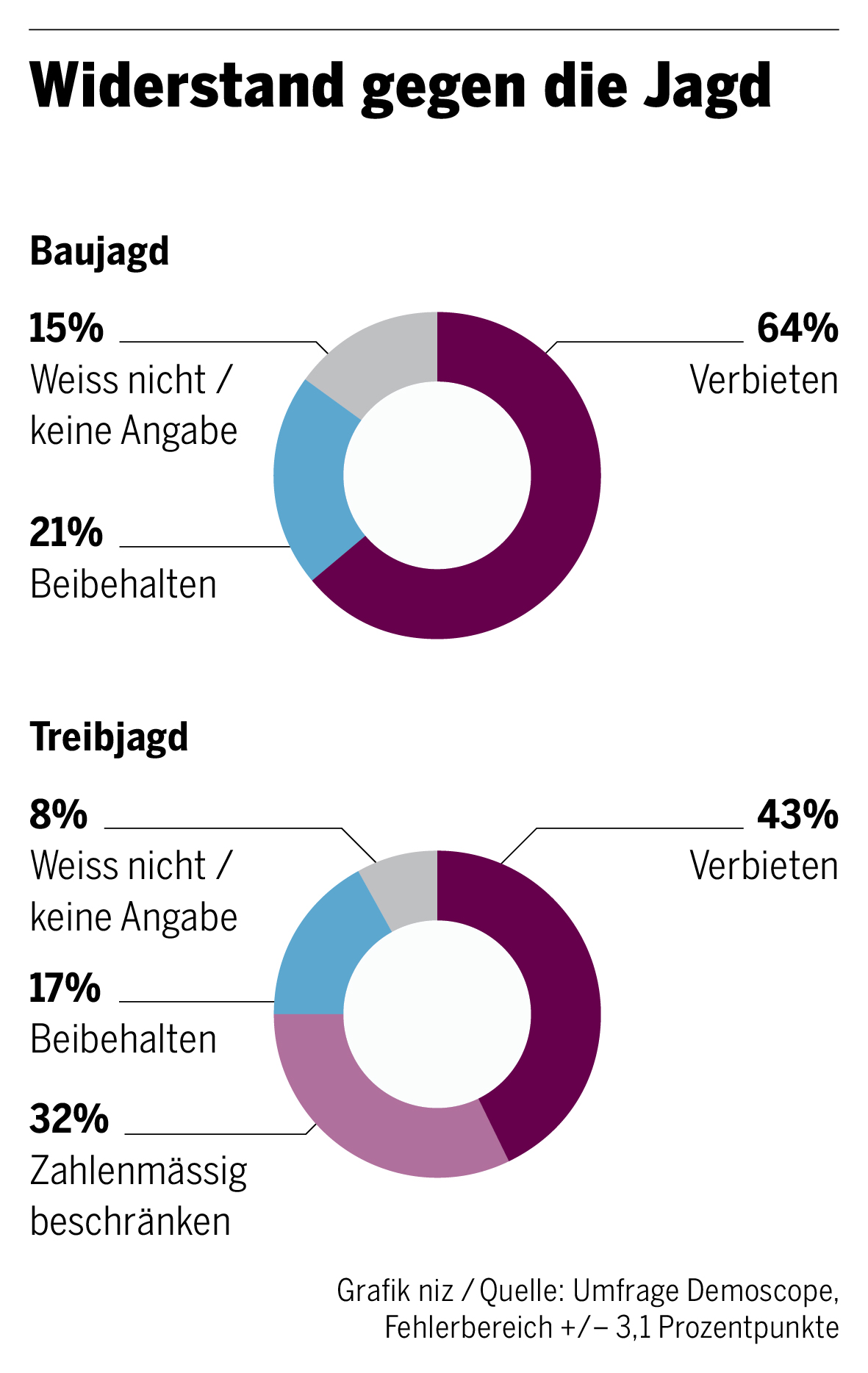
At least among the Swiss population, den hunting enjoys hardly any acceptance; this is shown by a representative survey of 1’015 people conducted by the market research company Demoscope on behalf of Swiss Animal Protection (STS). 64 percent support a ban, while only 21 percent wish to retain den hunting.
According to the same survey by Swiss Animal Protection, 43 percent also want to ban driven hunts, and a further 32 percent want to restrict them in number. This particular form of cruel recreational hunting is widespread in the Swiss Mittelland, largely due to Jagd Schweiz.
Cyclists, joggers, cross-country skiers and other users of the forest are repeatedly urged to be considerate of wildlife. That is fine, but what goes unmentioned is that the up to five driven hunts held annually in our forests represent by far the most serious disturbance to wildlife. According to studies in Germany, 30% of animals during driven hunts are not fatally struck immediately.
In the survey by the recreational hunters however states the following: 82 percent of respondents assume that recreational hunting in Switzerland is conducted in accordance with animal welfare standards. How is it possible that recreational hunters arrive at such conclusions?
Disadvantages of a non-plant-based diet

What exactly is supposed to be valuable about venison in the first place? The recreational hunter survey conducted by Jagd Schweiz claims that 69% of respondents consider venison to be a valuable “organic meat.”
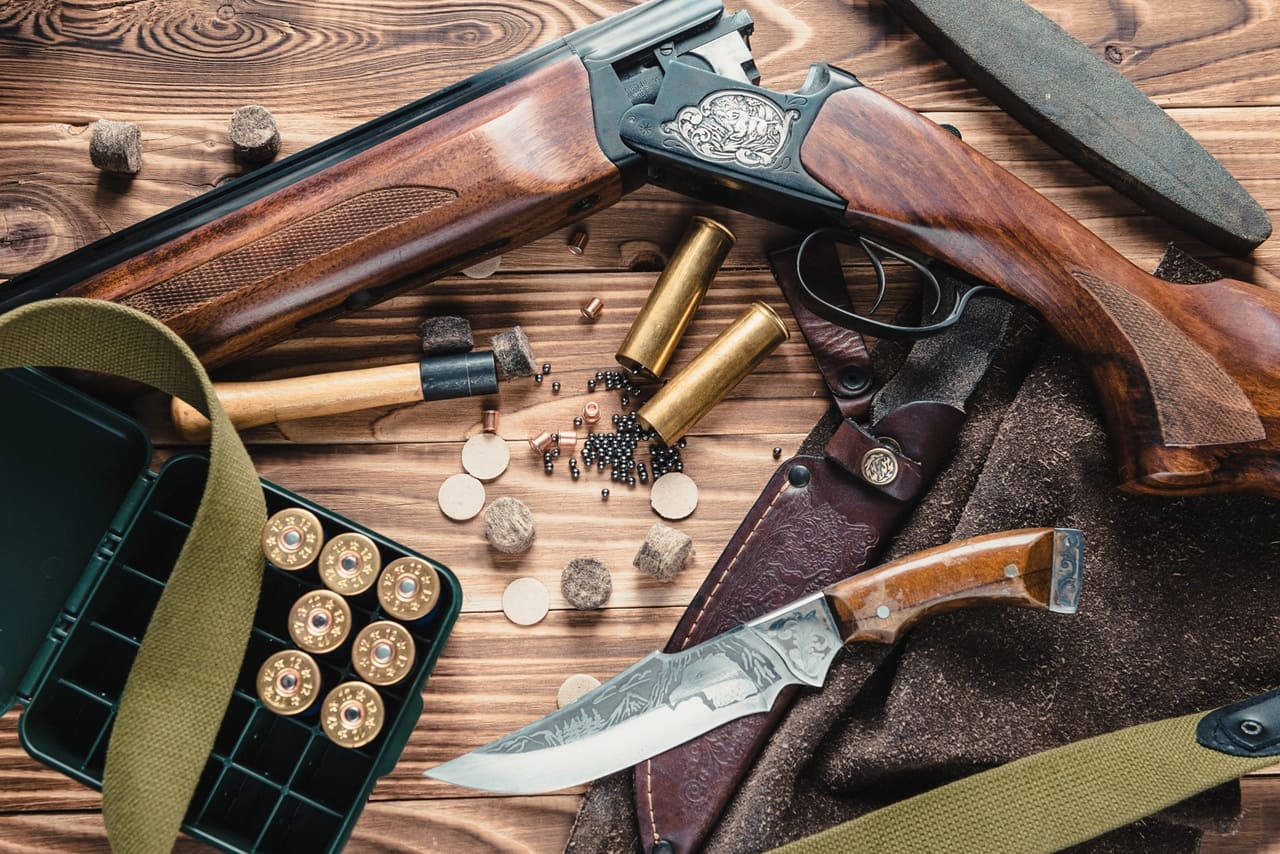
Meat makes you sick — that is stated in every reputable newspaper or reliable source. Whether it’s venison, organic, or factory-farmed. For years, authorities have recommended that children, pregnant women, and women wishing to become pregnant avoid eating meat from game killed with lead ammunition. Furthermore, “organic” is a protected label and can never apply to wild animals.
The public is being fobbed off with the lowest-quality meat of all — from driven hunts — by recreational hunters, and it is not infrequently contaminated with ammunition residue as well.
Hunting accidents like a war report
The recreational hunter survey further claims that 90 percent of respondents confirm that the 30’000 hunters have a love of nature and handle hunting weapons responsibly. In reality, it looks like this:
- Over a multi-year average, four people are killed per year in Switzerland due to hunting accidents.
- Since the BFU statistics began (in the year 2000), there have been a total of 57 fatalities in Switzerland (as of 2016). That means one death due to recreational hunting every 3.5 months.
- In the years 2011–2015, a total of 1’526 injuries from hunting accidents were recorded by accident insurers. An accident due to recreational hunting occurs in Switzerland every 29 hours.
The IG Wild beim Wild is convinced that the recreational hunters’ survey has roughly as much informational value as a dead fish on a plate. And what you truly love, you do not kill. More on the animal welfare problem of recreational hunting and on hunting myths.
More on the subject of recreational hunting: In the dossier The Role and Criticism of Recreational Hunters we shed light on the training, power and self-image of recreational hunters. The scientific evidence is presented in the overview Studies on the Effects of Recreational Hunting.
The position of IG Wild beim Wild: IG Wild beim Wild rejects recreational hunting. Our model is the canton of Geneva, which has managed without recreational hunting since 1974: without hunting seasons, without hunting dogs, without driven hunts, without high seats, without the animal cruelty and crime that go hand in hand with hunting season elsewhere. What has worked there for over fifty years disproves every position paper by JagdSchweiz. An association that bases its policy on claims it refutes in its own documents is not a professional organisation, but a factory for misinformation.