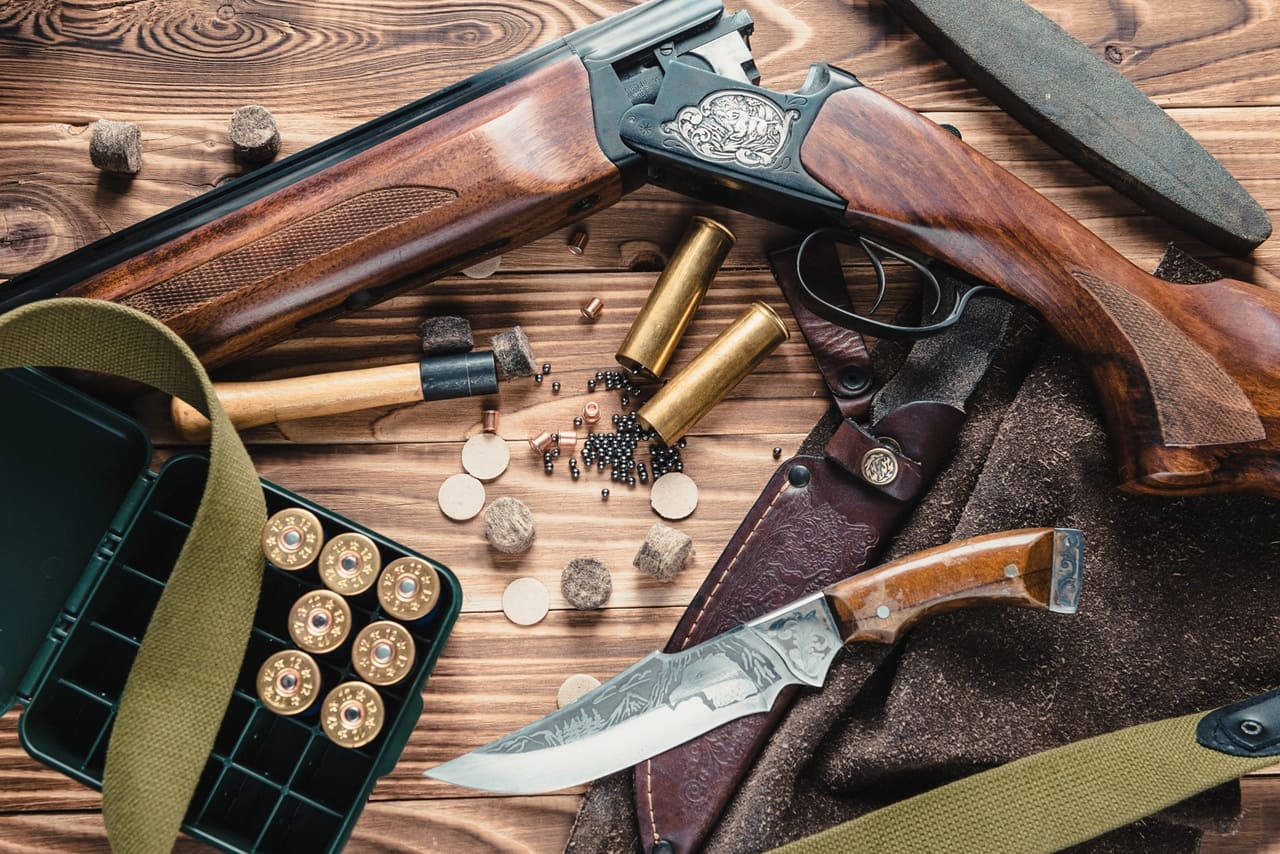
During a recreational duck hunt in Winterbach in Baden-Württemberg last Saturday morning, two men were shot.
A total of 19 recreational hunters took part in the duck hunt. According to a police report, the recreational hunters failed to notice the men on the opposite bank of the Rems river and hit the two walkers, aged 45 and 60. The identity of the perpetrators is still unknown. The Schondorf police department is investigating. PETA points out that every year hundreds of thousands of wild animals suffer greatly due to stray shots, and that recreational hunters kill and injure several dozen people annually. The animal rights organisation is calling for a ban on recreational hunting in Germany.
How many living beings must still be injured or killed before recreational hunting is finally banned? Year after year, countless tragedies occur because trigger-happy recreational hunters shoot around irresponsibly. Legislative intervention is long overdue.
Nadja Michler, wildlife expert at PETA
Numerous serious hunting accidents in recent years
In recent years, numerous serious hunting accidents have already caused public outrage. Just recently, a recreational hunter in Mecklenburg-Vorpommern was critically injured by a shot fired by another recreational hunter. Last October, a recreational hunter in Lützkampen shot a horse that he allegedly mistook for a wild boar. In January 2019, a 19-year-old was killed in Ettlingen when a shot was accidentally discharged from her father's weapon. In November 2018, an 86-year-old woman in Dalberg was fatally struck by a stray bullet fired by a recreational hunter while in her own garden. In July 2018, a six-year-old girl in Saara, Thuringia, was seriously injured by a recreational hunter's shot while playing in the garden.
Recreational hunting does not regulate wildlife populations
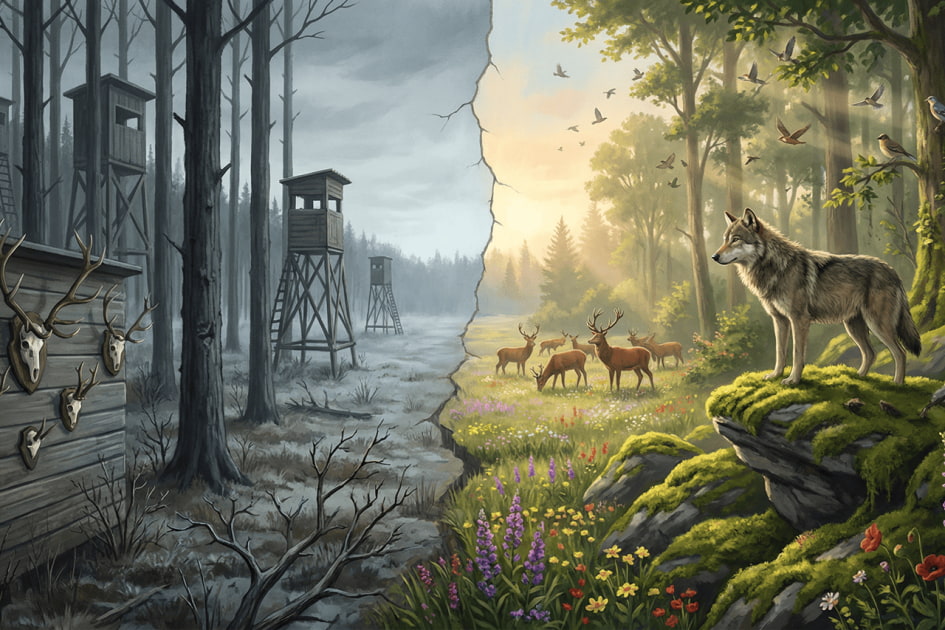
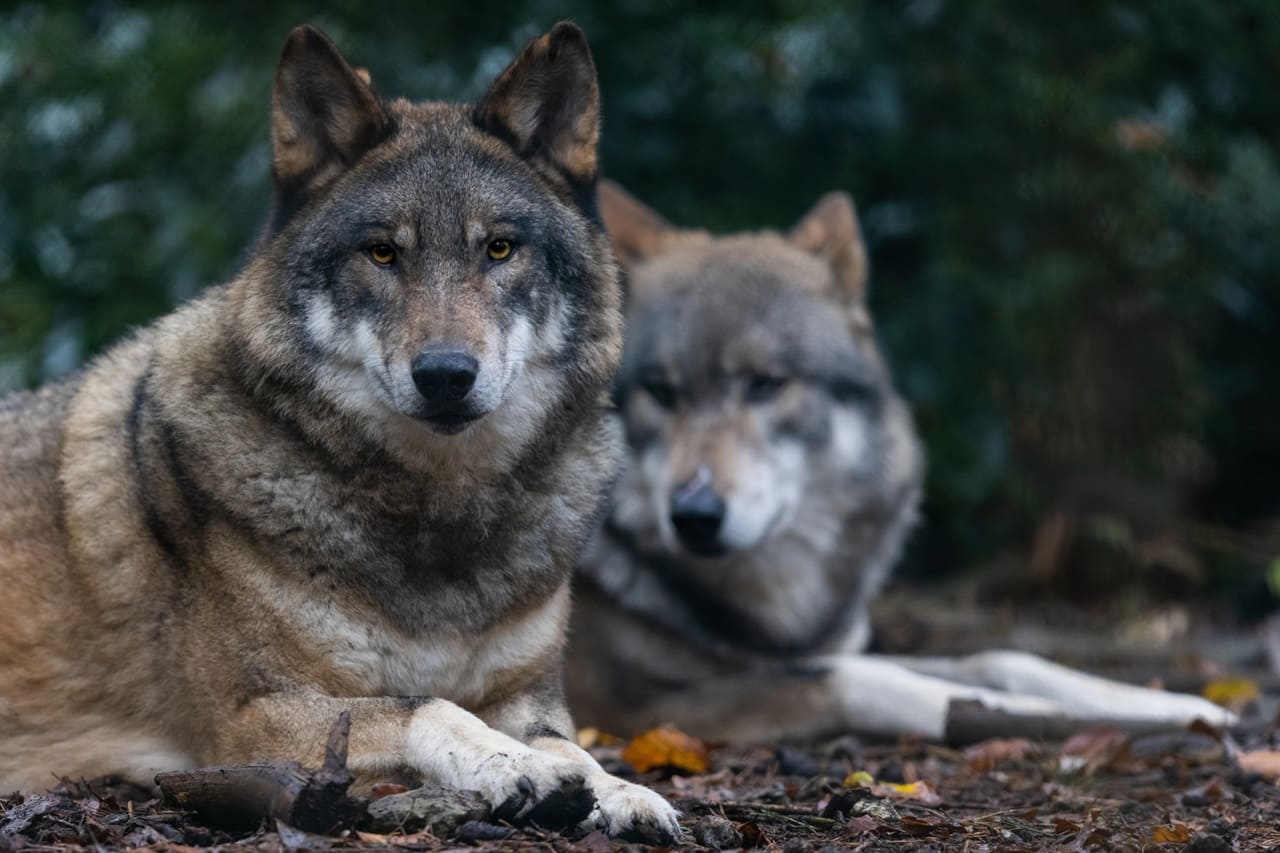
Scientific studies confirm that recreational hunting is not an effective means of permanently regulating wildlife populations. Researchers have shown that, in hunted wild boar populations for example, females reach sexual maturity earlier, which increases the birth rate. This means that high hunting pressure actually causes the population of the targeted wildlife in an area to increase. Prof. Dr. Josef Reichholf, a prominent biologist at the Technical University of Munich, also sees no wildlife-biological justification for recreational hunting: the near-extinct wolves do not need to be replaced by human recreational hunters, since natural regulation of animal populations occurs through environmental factors such as weather, food availability, and disease. More on this in the dossier Why recreational hunting fails as population control.
Germany's more than 380’000 recreational hunters are matched by only around 1’000 professional hunters, primarily forestry officials. A representative Forsa survey commissioned by PETA confirms that 49 percent — a majority of the German population — also opposes recreational hunting. More hunting myths fact-checked.