Recreational hunters endanger tourists and residents in Graubünden
It is indeed the case that Graubünden hunting has for years had a miserable and inglorious reputation among respectable hunters and experts, well beyond cantonal and national borders.


This year, Graubünden hunters are expected to shoot more red deer than ever before.
Hunting authorities want 5,200 animals to be culled in order to bring the deer population under control and reduce the negative impact of the large population on forests — the very places where hunters park wildlife.
Although Graubünden hunting authorities have been steadily raising the cull quota for years, the deer population keeps growing. Contributing factors include mild winters, which have decimated red deer populations only slightly, as well as questionable hunting planning. In 2010, the number of deer was still estimated at 13’500. The hunting plan at the time called for 4,240 culls — 1,000 fewer than now.
The current red deer population size exceeds sustainable levels in certain regions, the Office for Hunting and Fishing announced. The situation has deteriorated so significantly in recent years that forests in many areas can no longer regenerate sufficiently. This is particularly problematic because two thirds of Graubünden's forests serve a protective function.
Hunting has caused a great many problems in Graubünden, but has yet to solve a single one
Populations have not been genuinely regulated for decades — instead, they have been decimated by hunters while birth rates have been stimulated. A further consequence of current methods is that wildlife has shifted its daily activity entirely to the night, leading to numerous traffic accidents.
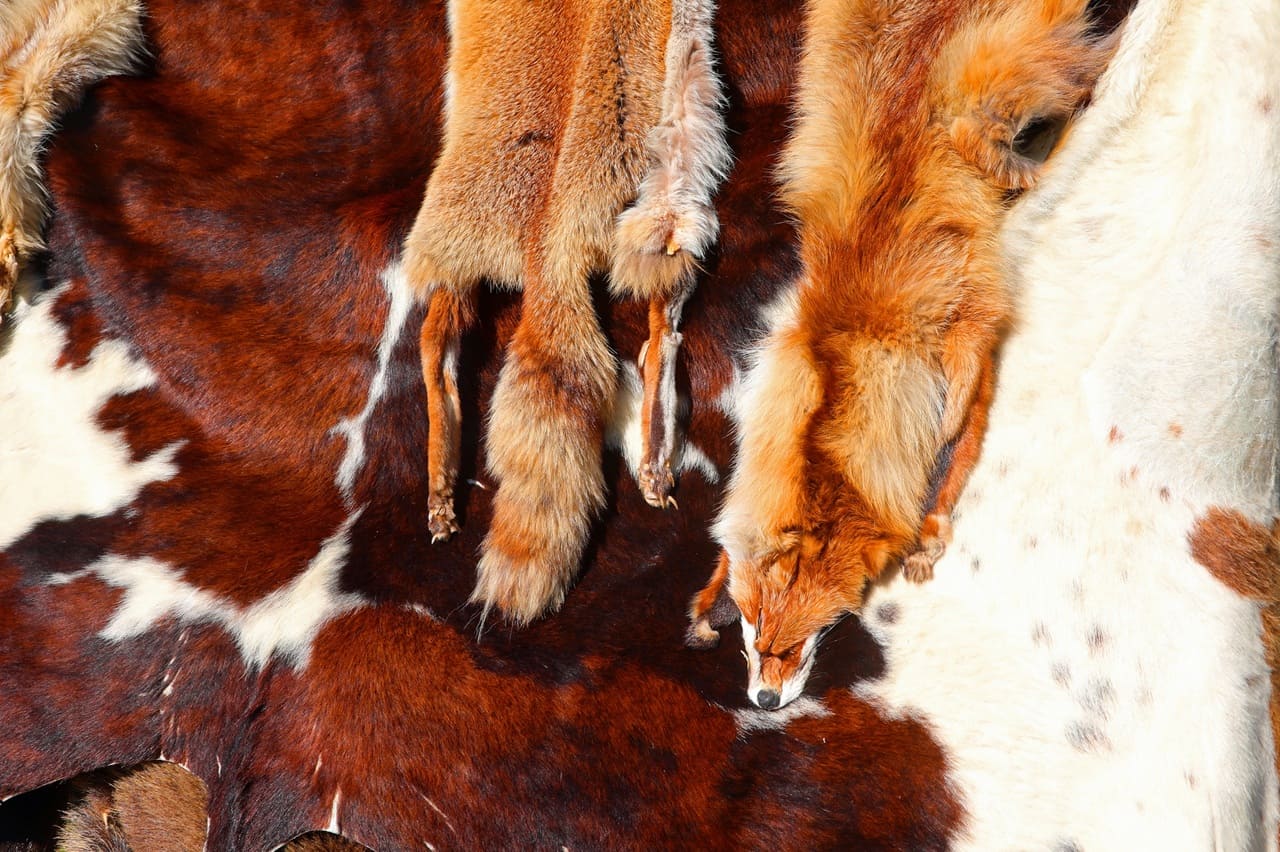
Wildlife population management is not carried out according to natural, wildlife-biological principles through predators, but according to hunters' lore. For instance, in 2014 more than 2’000 healthy foxes were shot in Graubünden — animals that, if left alive, would be capable of keeping ungulate populations or rodent infestations under control.
Wolves, lynxes and other species are repeatedly shot as well, simply to preserve the shooting fun for hunters.

In the year 2015 1,198 (1,007, 995, 964) fixed-penalty fines were issued for violations of hunting legislation and 100 (95, 127, 125) reports were filed with the district offices. Practically every fifth hunter among the 5,804 (5,946) was an offender, with a large number of unreported cases in the annual cycle.
2023 – ff : Publications
2022: The number of fixed-penalty fines issued and reports filed was within the usual range.
2021: The number of fixed-penalty fines issued and reports filed was within the usual range.
2020: 1241 Reports and Fines
2019: 1,104 Reports and Fines
2018: 1114 Reports and Fines
2017: 1384 Reports and Fines
2016: 1201 Reports and Fines
2015: 1298 Reports and Fines
2014: 1102 Reports and Fines
2013: 1122 Reports and Fines
2012: 1,089 Reports and Fines
Ibex and Wild Boar Also in the Crosshairs
To prevent negative impacts on their habitat, hunting authorities say that red deer, roe deer, and chamois in low-lying areas, ibex in the Engadin, and wild boar in southern Graubünden must have their populations kept in check. The most urgent need is for increased hunting of red deer in northern Graubünden.
The reduction of red deer populations could only be achieved through increased culling of female animals, the statement continued. In addition, the so-called «management» of wildlife sanctuaries is being further expanded. This refers to the possibility of shooting animals in and around protected areas.
Furthermore, the hunting authority intends to increase pressure on the roe deer population, as it too has grown again. Accordingly, during the high-season hunt in September, each hunter is now permitted to shoot a second roe doe, and the hunting season for roe deer fawns has been extended to the final four days of the hunt.
Graubünden is becoming more of an eldorado for perverse hunting practices year by year. It is no coincidence that popular initiatives are underway to put an end to the stench of the unconscionable hunts organized by the Office for Hunting and Fisheries in Graubünden for hunters.
If there were fewer problem hunters harbouring notions of exploiting nature, more ordinary people could once again dedicate themselves to the idea of nature conservation — people who treat species with respect, decency, and fairness, who do not slaughter wildlife for fun or throw entire ecosystems into disarray. The ordinary segment of the population, held hostage by hunters, could also sleep more peacefully at night. The chances of being shot or injured by a hunter are far greater than the chances of encountering a wolf.
More on the subject of recreational hunting: In our dossiers on the criticism of recreational hunting gather fact-checks, analyses and background reports. What the research says about this is shown by Hunting fact-checked: the state of research.
The position of IG Wild beim Wild: IG Wild beim Wild rejects recreational hunting. Our model is the canton of Geneva, which has managed without recreational hunting since 1974: without hunting seasons, without hunting dogs, without driven hunts, without high seats, without the animal cruelty and crime that go hand in hand with hunting season elsewhere. What has worked there for over fifty years disproves every position paper by JagdSchweiz. An association that bases its policy on claims it refutes in its own documents is not a professional organisation, but a factory for misinformation.