Female dog mistaken for wolf and shot
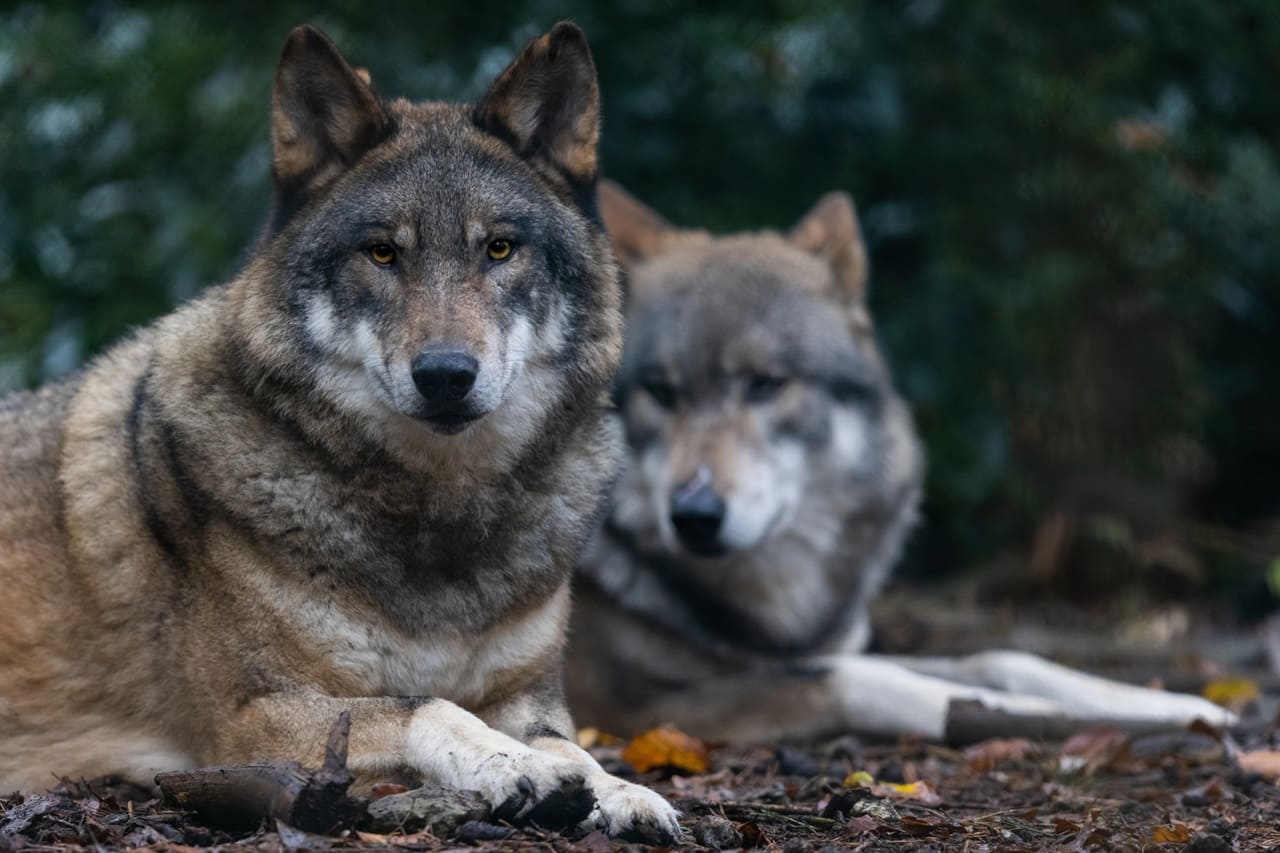
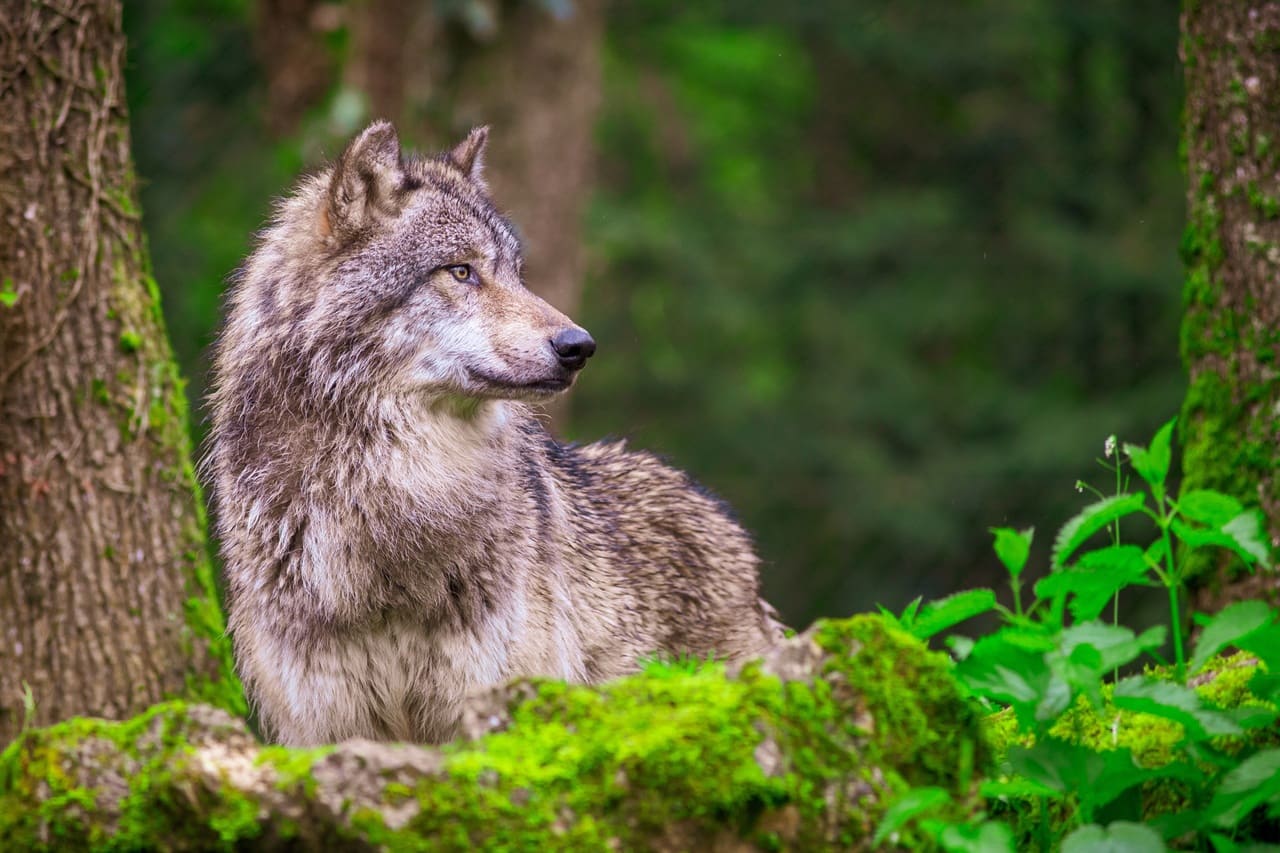
An evening walk at the forest edge, a female dog off-leash in the meadow, a shot from a distance. Seconds later, Java is dead. According to RTL, the incident occurred in Nordhorn (Lower Saxony). Dog owner Lars Reinink immediately filed charges. The shooter allegedly mistook the female dog for a wolf and fled with a colleague after the shot.


What again sounds like a tragic isolated case is actually a pattern: Where recreational hunting with firearms takes place near paths, forest edges and residential areas, situations arise where misidentifications are not simply 'bad luck,' but the systemic consequence of a risky hobby.
The central question is not whether Java resembled a wolf. It's about the principle: If a person with a weapon doesn't know with absolute certainty what they're aiming at, they must not shoot. Period.
This is precisely where recreational hunting repeatedly fails, because it's built on two illusions:
- Illusion 1: Control. Hunting grounds are not shooting ranges. Light, distance, vegetation, movement, adrenaline, time pressure and the desire for 'success' lower inhibitions.
- Illusion 2: Competence. Hunting licenses don't replace error culture. Those who pull the trigger despite doubt prove not skill, but willingness to take risks.
And even if it had been a wolf: In Germany, wolves are protected and culling is tied to strict conditions and official decisions. The RTL report also addresses this, and German federal environmental policy likewise explains that removals are only possible under clearly regulated prerequisites.
Flight after the shot: The moment when 'hunting ethics' becomes a PR story
Particularly shocking is the described sequence after the shot: Running away instead of helping, no immediate reporting, no remaining at the scene. If this is true, then it's more than an 'error.' Then it's behavior known from other hunting incidents knows: First violence occurs, then comes the ducking away, and in the end the damage is framed as a regrettable incident.
Anyone who carries a weapon bears responsibility, both criminally and morally. Everything else is gun romanticism.
Why such cases also concern Switzerland
The mechanism is identical, even here: Shots are fired in a landscape that is no longer 'wilderness', but recreational and living space. This is precisely why Wild beim Wild has been documenting cases for years in which not wild animals, but humans or domestic animals become victims.
Examples and classification on wildbeimwild.com:
- When people are mistaken for wild animals: Proximity to paths, lack of binding rules, dangerous routine.
- Valais: Livestock guardian dog shot instead of wolf: Mistaken identity, night, 'wolf hunt logic'.
- Switzerland: Statistics of fatal hunting accidents: It's not about exceptions, but about a recurring risk.
- When hobby hunters shoot, hikers become targets: Recreational hunting in nearby areas is a security problem.
Switzerland also has legal frameworks. The federal Hunting Act regulates protection and interventions, for instance with predators like the wolf. But paper doesn't protect when in practice people with weapons act 'in the heat of the moment' and the consequences are only discussed after the shot.
What must change: Hard rules instead of hunting self-regulation
Those who now demand 'stricter training' often mean: more of the same. What really works are binding, verifiable rules:
- Zero tolerance for errant shots on domestic animals: revoke hunting license, don't 'regret'.
- Clear safety zones around paths, forest edges, settlements, pastures, recreational areas.
- Transparency obligation: shot fired, location, time, report, independent investigation.
- Fewer weapons in everyday life: Recreational hunting is not a public security interest, but a private risk that third parties must bear.
Java's death is not just a private tragedy. It is a public question: Why do we accept a system in which misidentification with lethal consequences remains possible at all?
Support our work
With your donation you help protect animals and give voice to their cause.
Donate now →