Faux fur industry secretly sells real fur
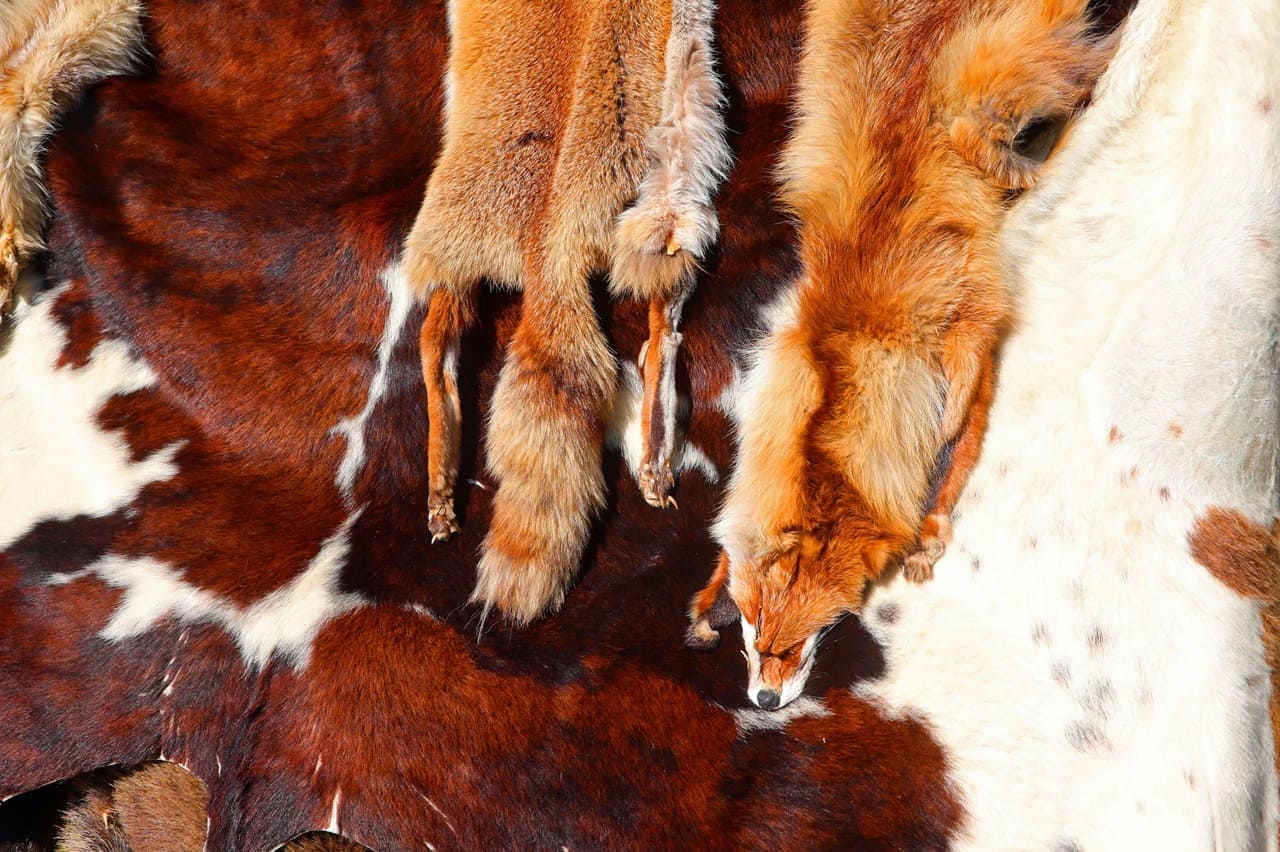
The faux fur industry is secretly selling real fur. What is marketed as imitation often comes from raccoon dogs and other animals.


Faux fur is an established part of the fashion industry.
But what is marketed as imitation could in reality be all too real.
It began with raccoon dogs. Most consumers had probably never heard of this species until 2005, when a video circulated online showing a raccoon dog being skinned alive at a fur market in China, where millions of them are bred and killed for their pelts every year.
The Humane Society of the United States (HSUS) began investigating what raccoon dog fur was being used for. “What was even worse: we saw that it was being sold as faux fur,” said PJ Smith, Director of Fashion Policy at HSUS.
Pulling the fur over our eyes
Just three years after that viral video, the HSUS and other animal welfare organisations abroad began testing products from various brands and retailers, and found that many items marketed and sold as faux fur contained raccoon dog, coyote, or other real fur.
Nearly two decades after animal welfare organisations began drawing attention to mislabelled faux fur, the problem persists. “Within 10 minutes I was able to find examples of mislabelled and falsely advertised faux fur that was real,” said Smith. Faux fur has become too realistic to be easily distinguished from real fur, and real fur has become cheap.
«Faux fur» trims on hoods or cuffs, as well as items such as fur-lined shoes or keychains, made up the majority of products. "Real fur has always been a luxury item," said Smith, "but the cut allowed fur to be applied to garments very cheaply." And thanks to the oversupply of intensively farmed fur from China, the price of real fur has dropped.
The rise of faux fur in fashion
Humans have worn fur for almost 300’000 years. At first, it was practical. But soon fur became a symbol of social status and hunting prowess. During the heyday of the North American fur trade in the 19th century, furs were referred to as “soft gold.”
In the past, people only owned fake fur because they could not afford the most expensive specimens. In the mid-19th century, synthetic petroleum-based fur imitations began their rise to prominence. Faux fur became increasingly popular thanks to rationing during the Second World War and, more recently, thanks to animal welfare campaigns such as the famous PETA advertisements.
Major brands and retailers such as Nieman Marcus, Prada and Gucci, as well as designers like Vivienne Westwood and Calvin Klein, have gone fur-free. London Fashion Week went fur-free in 2018.
The Animals or the Environment?
Every faux fur product begins with polymers derived from petroleum. “That is not green. It depletes oil, which is a non-renewable resource,” said Arya. Every garment made from petroleum-based polymers releases microparticles into the air when worn and enters the water supply when washed.
Up to two-thirds of our clothing is made from materials derived from fossil fuels. Faux fur accounts for only a small portion of this. “We understand the criticism, even if we have never claimed ecological perfection,” said Brunois.
Real fur is, at least in the West, in retreat. When Covid-19 began spreading on mink farms in 2020, Denmark required the country’s fur farms to cull 17 million animals. Copenhagen Fur, the world’s largest fur auction house, is planning to close.
Plant-based faux furs that are not derived from petroleum and therefore do not shed plastic microparticles are appearing on the horizon. “Polymers from plants are more difficult to produce. The science is still in development, but designers are excited about the potential,” says Brunois.
| You can help all animals and our planet with compassion. Choose compassion on your plate and in your glass. Go vegan. |
More on the subject of recreational hunting: In the dossier The Role and Criticism of Recreational Hunters we shed light on the training, power and self-image of recreational hunters. The scientific evidence is presented in the overview Studies on the Effects of Recreational Hunting.
The position of IG Wild beim Wild: IG Wild beim Wild rejects recreational hunting. Our model is the canton of Geneva, which has managed without recreational hunting since 1974: without hunting seasons, without hunting dogs, without driven hunts, without high seats, without the animal cruelty and crime that go hand in hand with hunting season elsewhere. What has worked there for over fifty years disproves every position paper by JagdSchweiz. An association that bases its policy on claims it refutes in its own documents is not a professional organisation, but a factory for misinformation.