How Images of Nature Can Relieve Pain
New study shows that simply viewing nature scenes can reduce pain perception.

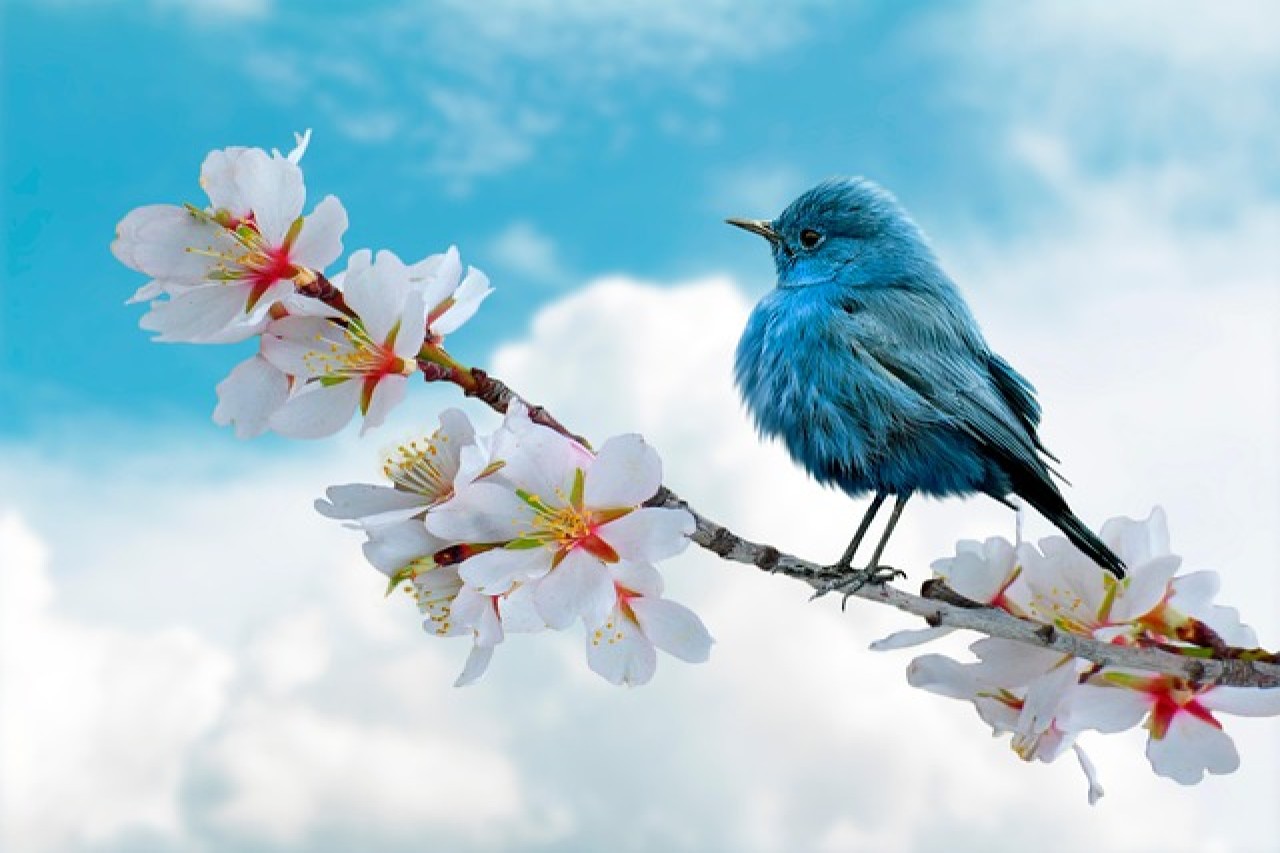
A new neuroimaging report states that simply viewing nature can help reduce the perception of pain by decreasing brain activity associated with pain processing.
Feelings of anxiety and depression are also known to be alleviated, and the report serves as a reminder of how beneficial the natural world can be for the heavily medicated US population.
Study Reveals Nature's Healing Potential
The study, published in the journal Nature Communications and led by a team from the University of Vienna and the University of Exeter, provides a “promising foundation for novel non-pharmacological pain treatments.”
“This study demonstrates how virtual encounters can bring nature’s healing potential to people when they are unable to go outdoors,” explained Dr. Alex Smalley, a co-author from the University of Exeter, upon publication of the study.
“But we hope our findings will also serve as renewed evidence of how important it is to protect healthy and functioning natural environments and to encourage people to spend time in nature – for the benefit of the planet and of people.” More on environmental and nature conservation.
“The fact that this pain-relieving effect can be achieved through virtual nature exposure, which is easy to administer, has important practical implications for non-pharmacological treatments and opens new avenues for research to better understand how nature influences our psyche.”
Brain Activity Changes When Viewing Nature
In the study, researchers observed the brain activity of 49 participants in Austria using an fMRI scanner while they were subjected to pain through a series of small electric shocks. When they watched videos of a natural scene compared to a city or office, participants not only reported feeling less pain, but the scans also showed that the specific brain responses associated with the processing of pain had changed.
The study employed advanced machine learning to analyze the brain networks associated with pain processing.
The team discovered that the raw sensory signals the brain receives when something hurts were reduced while viewing a carefully designed, high-quality, five-minute virtual nature scene. Moreover, the five-minute video of the urban scene was also rated as a beautiful space, as it contained (like the nature scene) a body of water disturbed by wind waves, but surrounded by artificial elements such as walls, chairs, and paths instead of trees and hills.
This result suggests that beauty or order were not key factors in the observed pain-relieving effect.
First clear evidence of the effect
The study confirms earlier findings suggesting that nature can reduce the subjective perception of pain, and it is also the first clear evidence of how natural environments influence the brain and help to buffer unpleasant experiences.
«Numerous studies have shown that people repeatedly report feeling less pain when they are in nature,» says Max Steininger, doctoral candidate at the University of Vienna and lead author of the study. Until now, however, the reasons for this effect were unclear.
«Our study is the first to demonstrate, through brain scans, that it is not merely a placebo effect triggered by people’s belief and expectation that nature is good for them, but that the brain responds less to information about where the pain originates and how intense it feels.»
«Our results suggest that the pain-relieving effect of nature is real.» The study also helps to shed light on a long-standing mystery about the healing potential of natural environments.
Over forty years ago, a groundbreaking study by American pioneer Roger Ulrich showed that hospital patients required fewer painkillers and recovered more quickly when their windows offered a view of a green space rather than a brick wall.
The new findings provide the first «solid» explanation for why Ulrich’s patients experienced less pain, and demonstrate how virtual encounters with nature could bring these benefits to anyone, anywhere — offering a non-invasive, accessible path to pain management. The biodiversity of our natural environments is therefore also crucial to our health.