Recreational Hunting: Why Killing for Fun Is Not Nature Conservation
They speak of stewardship, responsibility and tradition. But what lies behind the green romanticism of hunting language is brutal and bloody: the pleasure of killing.


Year after year, armed recreational hunters venture into our forests — not to protect nature, but to take living beings into their crosshairs.
Animals that have done nothing wrong, that feel, suffer and experience fear — are degraded to mere target objects.
In Europe, millions of wild animals die each year as a result of recreational hunting, including roe deer, wild boar, foxes, birds and ducks. The figures make it unmistakably clear: this is not about individual shots, but about industrial-scale killing under the guise of hunting and wildlife management.
Not every shot kills instantly. Many wild animals are wounded, flee injured and die in agony after hours or days. The hunting lobby remains silent about these missed shots, yet even recreational hunters themselves acknowledge that the number of searches with dogs is considerable. In Switzerland, these recreational killers are the poorest marksmen of all — due in large part to their training and lack of practice.
Recreational hunting is also dangerous for people. Every year, hundreds of people die because of these reckless hunters.
A comprehensive review study on recreational hunting of birds and mammals in Europe (1953–2020) found that hunting practices “frequently have negative impacts on biodiversity, wildlife populations and ecosystem functions.” For example, recreational hunting has also served as a pathway for the introduction of invasive species into Europe, further destabilising native ecosystems. Moreover, according to a study, recreational hunting promotes the spread of invasive species. In doing so, it damages the very nature it claims to protect.
"Laying out the bag", "conservation cull", "regulating wildlife damage" — these terms obscure reality: an animal was chased, shot, slashed open and bloodied, often suffered an agonizing death or was killed senselessly. Hunting terminology glosses over and dehumanizes what actually takes place: death at the pull of a trigger.
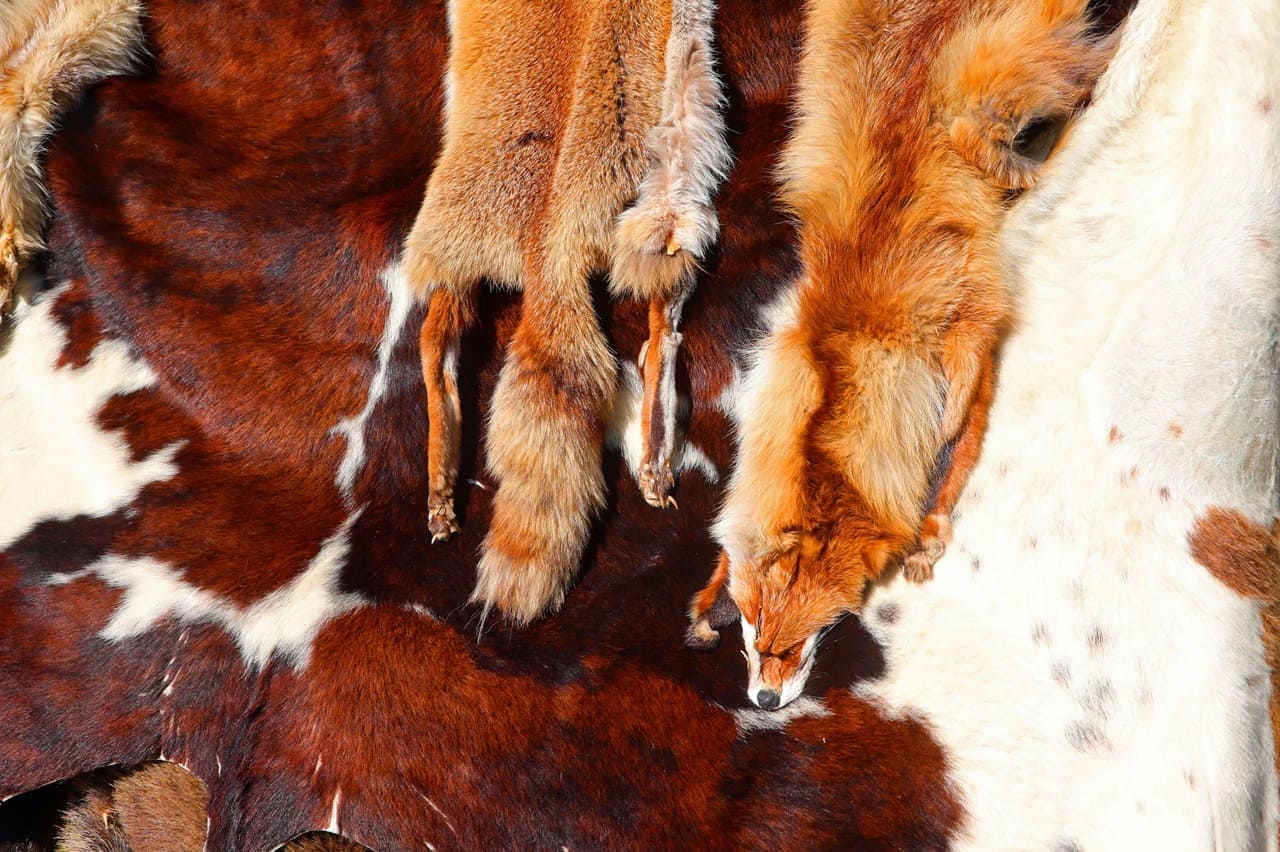
Many recreational hunters boast about antlers, pelts, and mounted heads. The suffering of a sentient being becomes décor for the living room. This is not love of nature — it is the exercise of power, narcissism, psychological disorder, and self-aggrandizement at the expense of the most vulnerable.
Hunting is not nature conservation
Arguments such as “wildlife populations must be managed” or “without hunting the ecosystem falls out of balance” are frequently put forward. Yet studies show:
- A review of hunting practices reveals significant negative effects on wildlife populations and ecosystem functions.
- The German Animal Welfare Federation states clearly: “Hunting does not serve the protection of endangered species, but largely serves recreational purposes.” This makes it clear: the notion of recreational hunting as “natural regulation” is, in many cases, a myth.
Recreational hunting is not a public service, not nature conservation, and not a cultural heritage — at least not in the form in which it is widely practiced today. It is a relic of an era in which violence against animals was taken for granted. Today we know better: we know that animals experience pain, grief, and joy. They are not objects, not pawns for weapons enthusiasts.
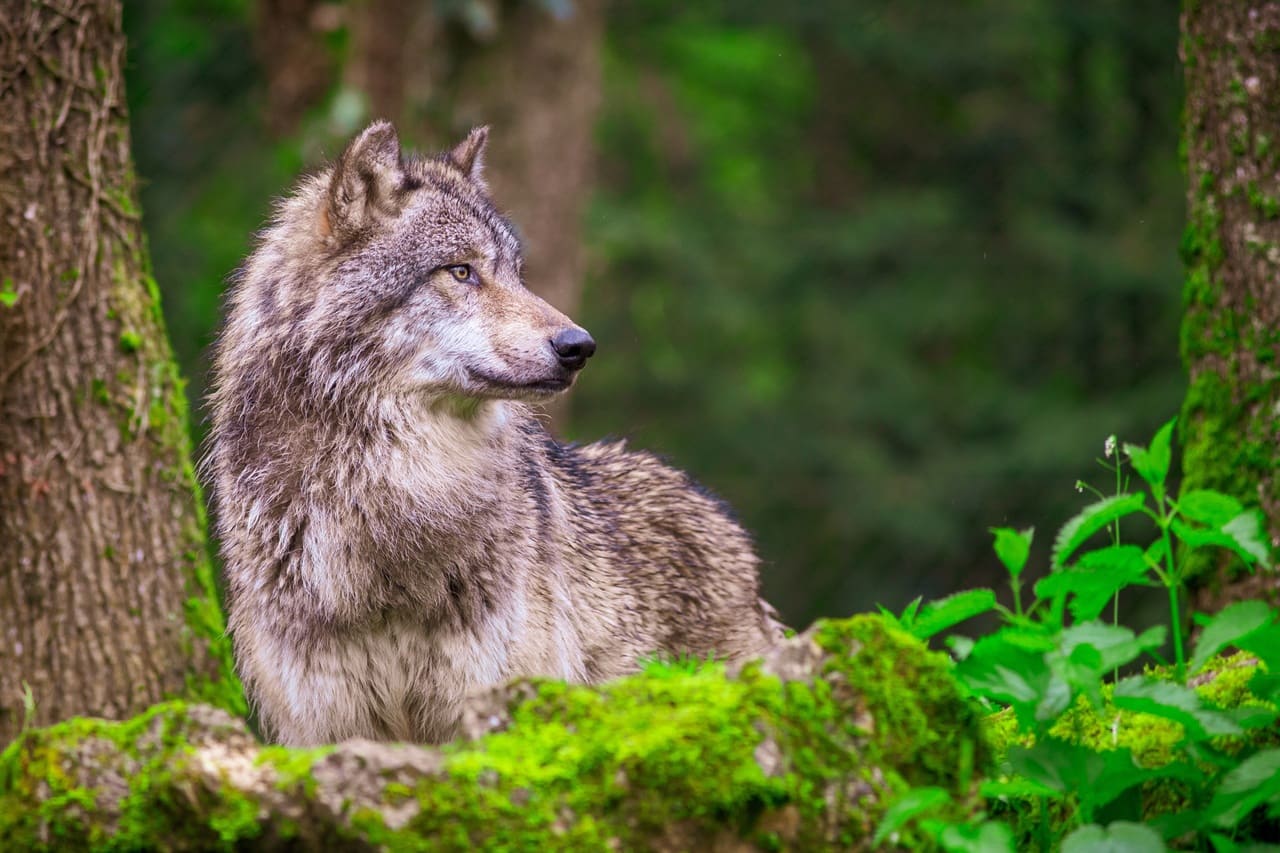
Nature needs no armed recreational killers. It has regulated itself for millions of years, long before humans intervened. Wolves, lynxes, foxes, and other predators fulfill this role. Yet these very animals are mercilessly persecuted by recreational hunters on the grounds that they are supposedly “competitors.” In reality, recreational hunters are simply afraid of losing their quarry.
It is time to condemn killing for pleasure, just as we have left behind witch burnings, bullfighting, slavery, and gladiatorial combat. Recreational hunting is not a right — it is a wrong.
Further articles
- Are recreational hunters psychopaths?
- Recreational hunters on the psychological pendulum
- Aggression: understanding recreational hunters better
- Sadism: understanding recreational hunters better
- Trophies: the pleasure hunt
- Alcohol: recreational hunters and the drinking problem
- Hunting and hunters: psychoanalysis
- Recreational hunters and violence in our society
More on the subject of recreational hunting: In our dossiers on the criticism of recreational hunting gather fact-checks, analyses and background reports. What the research says about this is shown by Hunting fact-checked: the state of research.
The position of IG Wild beim Wild: IG Wild beim Wild rejects recreational hunting. Our model is the canton of Geneva, which has managed without recreational hunting since 1974: without hunting seasons, without hunting dogs, without driven hunts, without high seats, without the animal cruelty and crime that go hand in hand with hunting season elsewhere. What has worked there for over fifty years disproves every position paper by JagdSchweiz. An association that bases its policy on claims it refutes in its own documents is not a professional organisation, but a factory for misinformation.