Hunting as event culture: how the Susten Pass and Rouchgrat turn nature into a shooting backdrop
The Susten Pass and Rouchgrat are becoming the shooting backdrop for recreational hunting – complete with a festival catering tent, a weapons trade fair and young hunters. And later, the very same circles complain about “too much disturbance” to the wildlife.
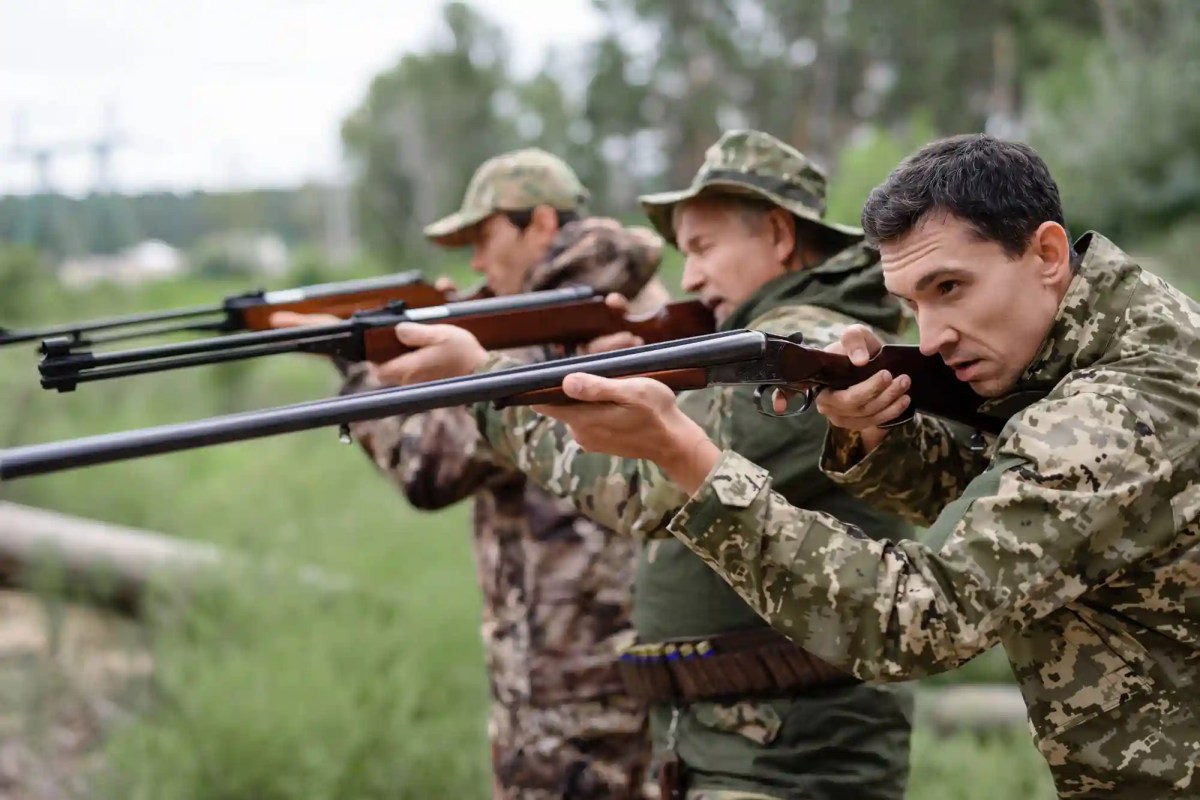
Under titles such as “Stalking at the Susten Pass” and “Stalking outing Rouchgrat”, the Bern hunting association stages the mountain world and the Emmental hill landscape as a stage for shooting leisure, festival catering and weapons marketing.
What sounds like “training” or “preparation for the hunt” turns out, on closer inspection, to be event culture with clear patterns: full-day to multi-day programmes, a festival catering tent open throughout, shooting courses, dealer stands and a tombola.
The basic thrust of the criticism of recreational hunting in Switzerland has already been set out by wildbeimwild.com in the position paper “Recreational hunting in Switzerland”. The Susten Pass and Rouchgrat provide exemplary, current cases straight from the Bern hunting scene.
Susten Pass: stalking with festival catering and a weapons trade fair
The “Stalking at the Susten Pass” is advertised as a hunting event in an alpine landscape – with a festival catering tent open throughout, providers of optics, hunting weapons, hunting clothing and footwear, shooting courses and a marksmanship certificate. A cost contribution is charged per round, differentiated between association members and “all others”.
Instead of speaking of a careful use of the mountain world, a clear event logic emerges: those who pay may shoot. Those seeking peace and nature must come to terms with noise, crowds and the presence of weapons. The mountain world becomes a backdrop for hobby shooters and weapons dealers – wild animals become extras in a staged hunting experience. A broader context on the situation in Bern is provided by the dossier “Recreational hunting in the canton of Bern», which traces the development of hunting practice in the canton.
Rouchgrat: A full-day stalking outing in the Emmental
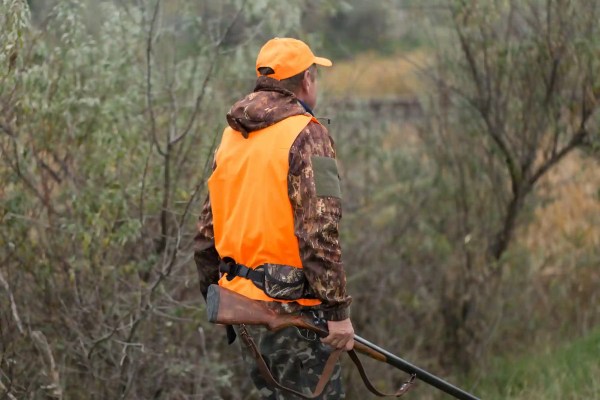
The «Rouchgrat stalking outing» in Röthenbach i.E. follows the same script, only in a different landscape. Over two days, full-day shooting blocks are organised, led by the shooting commission of the Bern hunting association. Hunters from the canton of Bern and from further afield are invited, including young hunters in small, guided groups.
The programme is comprehensive: a bullet course with various targets and distances, a running-hare target, a catering tent open throughout, dealers for optics, hunting weapons, clothing and footwear, plus a «grand raffle with attractive prizes». Here too, a fee per stalking outing is charged – the natural landscape is turned into a paid leisure event with a weapons fair and shooting operations.
«Stalking» as a marketing word – a high-tech event instead of a quiet approach
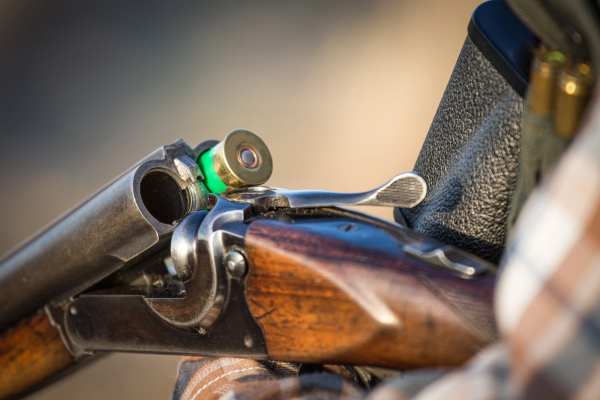
What is romantically marketed in the announcements and videos as a «stalking outing» has little to do with the classic notion of a quiet, respectful approach to wild animals. Instead, in the promotional videos, hunters stand at fixed posts, lie comfortably behind rests and shoot with the most modern optics and weapons at artificial targets and running hares. Nature is a backdrop, not a partner: nothing is observed, but rather blasted away – with the latest technology, a catering tent at their backs and dealer stalls within reach. «Stalking» serves here above all as a pretty word for a high-tech shooting event that once again degrades wild animals and the landscape to a stage for recreational hunting.
A recurring event structure, not an isolated case
Sustenpass and Rouchgrat are not slip-ups, but links in a chain. The patterns are always the same:
- organised by hunting associations and shooting commissions
- full-day or multi-day, clearly structured programme blocks
- shooting courses, moving targets, shooting certificates
- a catering tent open throughout
- a dealer presence for optics, weapons, equipment
- additional incentives such as a tombola and «attractive prizes»
- friendly event communication with YouTube links «to get you in the mood»
This creates a hunting event calendar that systematically earmarks mountain and hill landscapes for shooting leisure. The public natural landscape becomes an adventure park for a small, armed interest group that stages itself as a «partner of wildlife protection».
Safety rhetoric masks the burden on wild animals
Both events adorn themselves with detailed safety and ammunition rules: a ban on full-metal-jacket bullets, mandatory steel shot, compulsory safety glasses, on-site ammunition purchase, a selection of various calibres, and proof of marksmanship at the office. Foreign participants are informed of the permit requirements for silencers.
To the outside world, these sets of rules appear serious and professional, but they do not solve the actual problem: hours and days of shooting noise in habitats where wild animals depend on quiet and where, at the same time, hikers, families and other nature lovers are out and about. The «safety» refers to the handling of firearms, not to the protection of wild animals, rest periods or low-disturbance zones.
Young hunters socialised into the disturbance mode
Particularly explosive is the involvement of young hunters. At the Rouchgrat they are guided in small, supervised groups through a course that combines a festival hospitality area, a shooting course, dealers and an event atmosphere. This fosters a socialisation in which nature is experienced above all as a training ground, wild animals as an abstract target group, and shooting as an event with a community character.
Anyone introduced to recreational hunting in this way scarcely learns to recognise wild animals as fellow inhabitants in need of protection, requiring quiet, retreat and low-disturbance habitats. Instead, a culture of permanent presence, of noise and of the appropriation of public spaces by the hunting lobby becomes entrenched.
Double standards: complaints about «disturbance» alongside event tourism
In parallel with this event culture, authorities and hunting officials, for example in the canton of Grisons, report increasing disturbance of wildlife. wildbeimwild.com documented this in detail in the article «Grisons: hunting office reports declining red deer populations and more disturbance of wildlife».
This gives rise to an obvious double standard: hunting associations contribute significantly to the disturbance with their events and use the problems they thereby help to cause to strengthen their position as supposedly indispensable «regulators» and «managers» of wildlife. The disturbance is first produced, then lamented, and finally deployed as an argument for more recreational hunting.
A look at other regions, such as the canton of Ticino, shows that another path is possible. In articles such as «Canton of Ticino stands up against recreational hunters» it becomes clear that authorities and the public can indeed question and rein in hunting-related leisure activities.
Wildlife protection instead of a shooting-event calendar
From a wildlife protection perspective, this development is unacceptable:
- Sensitive mountain and hill landscapes need genuine quiet zones instead of constant noise from shooting events with catering and gun fairs.
- Hunting events must, if at all, be drastically reduced, strictly authorised and consistently aligned with the needs of wild animals rather than leisure interests.
- The role of hunting associations as «partners of wildlife protection» is not credible as long as they turn natural areas into serial event grounds.
As long as the Sustenpass, the Rouchgrat and similar events appear as a matter of course in the hunting associations' event calendars, the claim that hunting is primarily a service to nature remains a PR formula. Anyone who seriously wants to protect wild animals must extract nature from the logic of shooting events and create quiet zones where the focus is not on catering and gun stands, but on wild animals and quiet experiences of nature.
More on the subject of recreational hunting: In the dossier The Role and Criticism of Recreational Hunters we shed light on the training, power and self-image of recreational hunters. The scientific evidence is presented in the overview Studies on the Effects of Recreational Hunting.
The position of IG Wild beim Wild: IG Wild beim Wild rejects recreational hunting. Our model is the canton of Geneva, which has managed without recreational hunting since 1974: without hunting seasons, without hunting dogs, without driven hunts, without high seats, without the animal cruelty and crime that go hand in hand with hunting season elsewhere. What has worked there for over fifty years disproves every position paper by JagdSchweiz. An association that bases its policy on claims it refutes in its own documents is not a professional organisation, but a factory for misinformation.