Helping animals – and breaking apart in the process
A look behind the scenes of animal protection … ending with a broken heart.

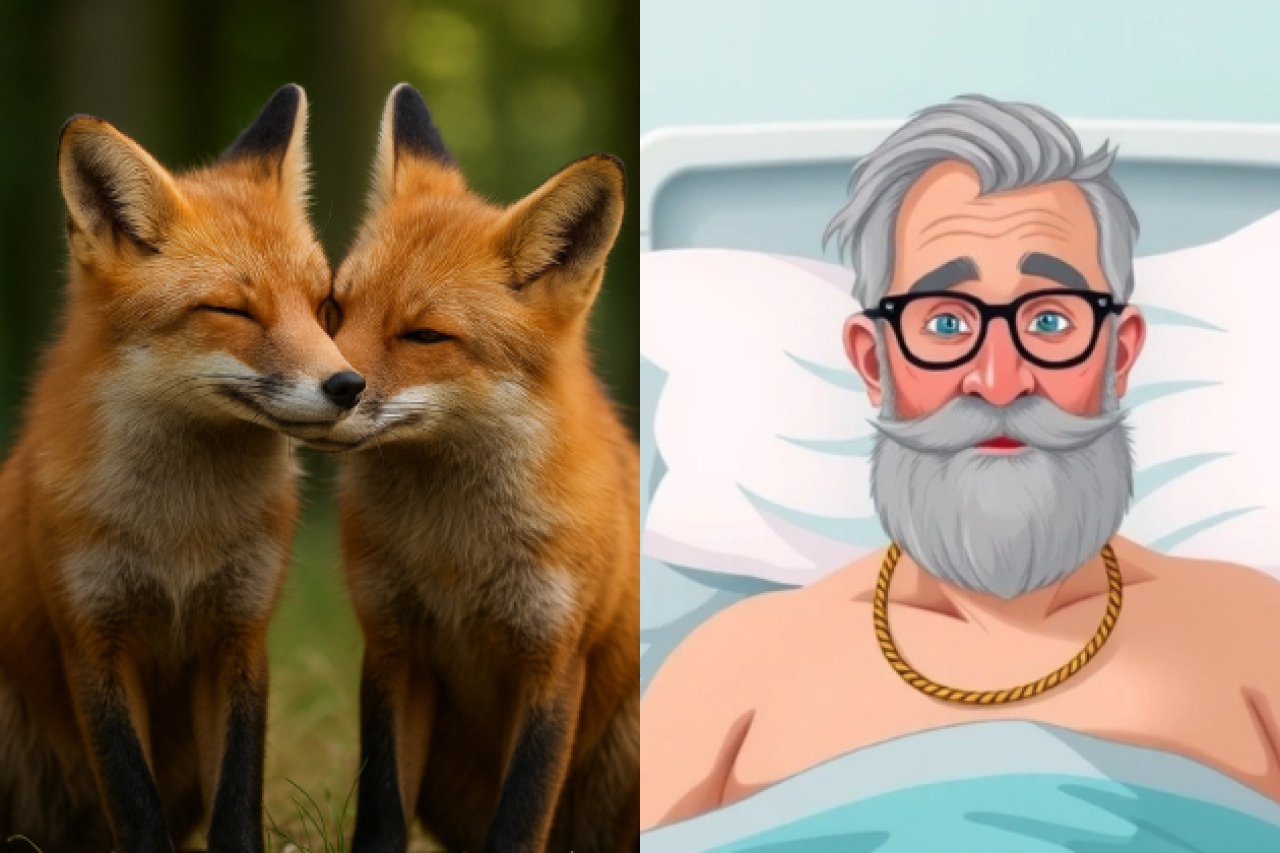
Anyone who engages intensively in animal protection over an extended period will sooner or later reach their psychological, physical and moral limits.
The reality is often sobering: although animal suffering is extensively documented and brought to public attention, shockingly little is done. Reports are ignored, proceedings are dropped – or, worse still, the roles of perpetrators and victims are reversed.
Conflict with the hunting community – dangerous terrain
A particularly burdensome chapter opens when animal welfare advocates come into conflict with the hunting community. Those who dare to publicly name grievances within the hunting system not infrequently become targets. False statements, reports alleging property damage (e.g. a toppled high seat, destroyed traps), insinuations such as “Nazi slogans during filming” – all of this is used to silence critics. The strategic reversal of perpetrator and victim roles is insidious and systematic: whoever exposes animal suffering in hunting is criminalised, demonised, isolated.
The hunting lobby reaches far: from the simple beater in the field all the way into political circles, where laws are made – or blocked. Anyone who tries to unravel this network quickly realises: not only are they alone, they are actively fought. The entanglements between authorities, the judiciary and hunting interests form a web of power that appears impenetrable. For example, a hunter illegally set live traps and a funnel trap during the closed season, causing several martens to starve to death inside them. The report filed with the supreme hunting authority was not pursued, and information on the status of the investigation was refused. The public prosecutor's office is now investigating on suspicion of concealing a criminal offence.
Rule of law? For animals, often an empty promise
Many dedicated people seek justice – in court, with the police, in politics. Yet the desire to bring about change through legal means often founders on a lack of interest, courage, or empathy on the part of decision-makers. Animal cruelty is downplayed, abuses are covered up, and complaints filed against animal welfare advocates are pursued more swiftly than those against actual animal abusers.
This leads to a profound shaking of one's sense of justice. Those who not only see the suffering of animals but feel it, who fight against it day after day, week after week – and are ignored or ridiculed by a segment of society in the process – eventually find themselves standing at an emotional abyss.
From compassion for others to self-love – a society in retreat
It once went without saying that one stood up for the vulnerable – for animals, for fellow human beings, for nature. Today, it seems as though this compassion for others has transformed into egocentric self-optimization. Many people are preoccupied with themselves, numbed, or indifferent. The consequences of this social coldness are particularly harsh for empathetic individuals: those who want to help often stand alone. Those who look where others look away are not rewarded – but ostracized.
Hunting law: tradition as a cloak for cruelty
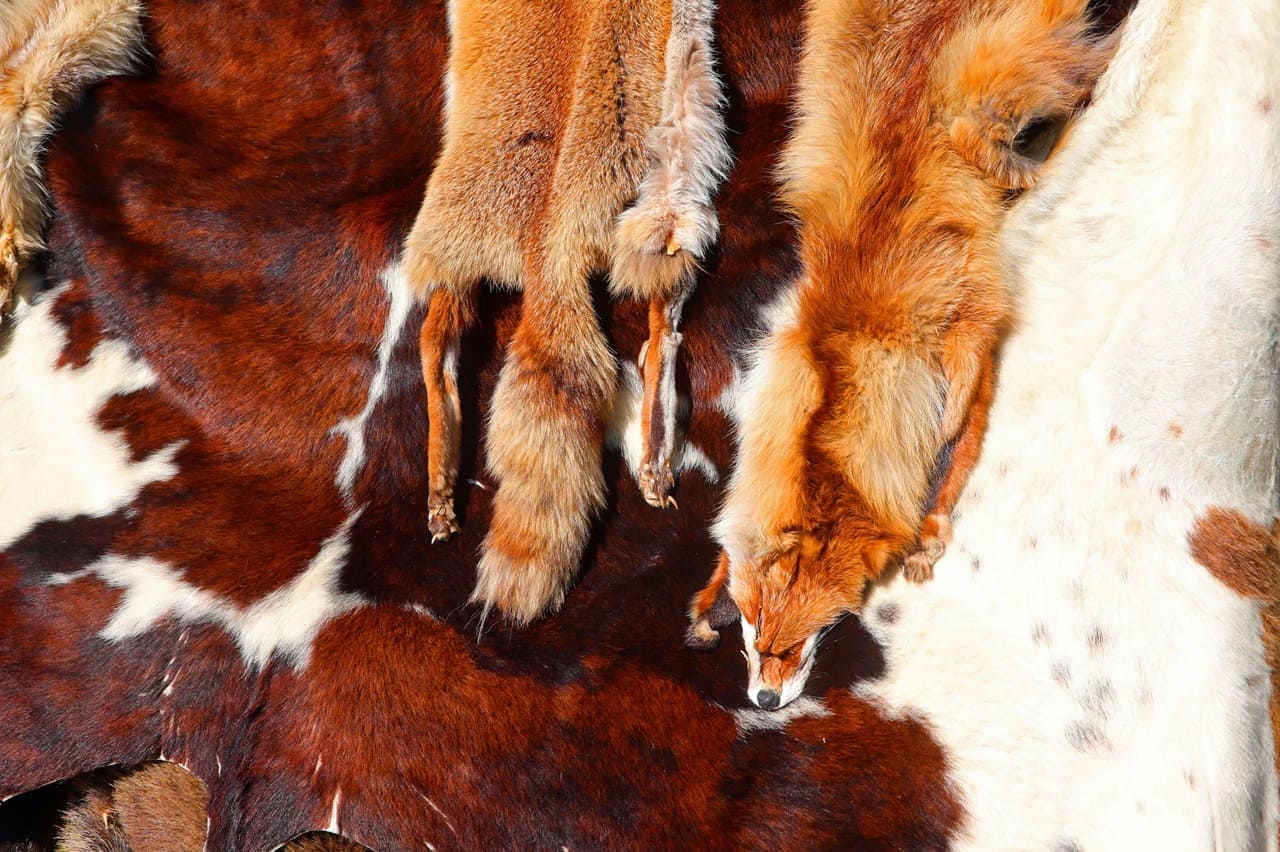
Particularly shocking is how wild animals are treated. Roe deer, foxes, badgers, hares – they are treated like fairground shooting gallery targets. After being shot, they are frequently discarded without a second thought. Those who ask why usually receive vague answers: “tradition,” “regulation of small game,” “conservation and management.” Yet what is happening here has nothing to do with conservation – it is industrialized violence against living beings, disguised as custom.
Artificial earths, trap hunting, earth hunting – all of this is unbearable for anyone who regards animals as sentient beings. And yet it happens – daily, thousandfold.
Psychological consequences: from compassion to exhaustion
Those who love and protect animals experience a constant alternation of emotions: hope and rage, horror and resolve. But also exhaustion. A racing heart. Sleeplessness. Helplessness.
Many animal advocates go through depressive phases, develop anxiety disorders, lose trust in people, institutions — and sometimes even in themselves. The inner tension between the desire to change something and the reality of living in a system full of ignorance and violence can be destructive.
In extreme cases, these states lead to suicidal thoughts. From the desire to help others, a dangerous self-sacrifice emerges — a silent, inner harakiri. One loses oneself in the helplessness of despairing over a world that seemingly refuses to see what is so obviously going wrong.
What remains?
This text is a cry — for the many who feel and experience animals. For all those who try to bring light into a system of darkness. For all those who love animals not only in pictures, but in deeds — even if they pay a high price for it.
Yet it is precisely these people that the world needs.
You are not alone. You are not wrong. You are part of a quiet resistance — a movement that does not give up, even when it sometimes despairs.
Source: Witas e.V
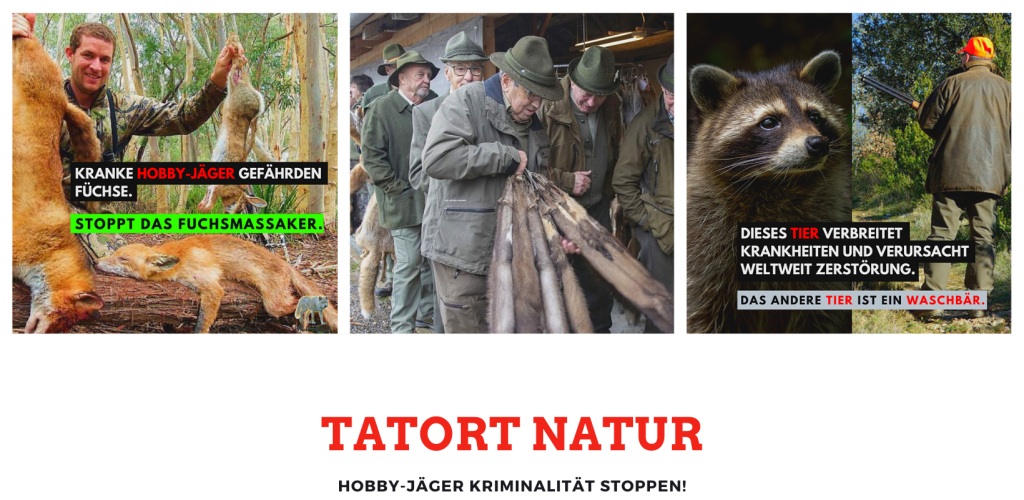
More on the subject of recreational hunting: In the dossier The Role and Criticism of Recreational Hunters we shed light on the training, power and self-image of recreational hunters. What the research says about this is shown by Hunting fact-checked: the state of research.
The position of IG Wild beim Wild: IG Wild beim Wild rejects recreational hunting. Our model is the canton of Geneva, which has managed without recreational hunting since 1974: without hunting seasons, without hunting dogs, without driven hunts, without high seats, without the animal cruelty and crime that go hand in hand with hunting season elsewhere. What has worked there for over fifty years disproves every position paper by JagdSchweiz. An association that bases its policy on claims it refutes in its own documents is not a professional organisation, but a factory for misinformation.
Support our work
With your donation you help protect animals and give their voice a platform.
Donate now →