Germany says YES to the wolf
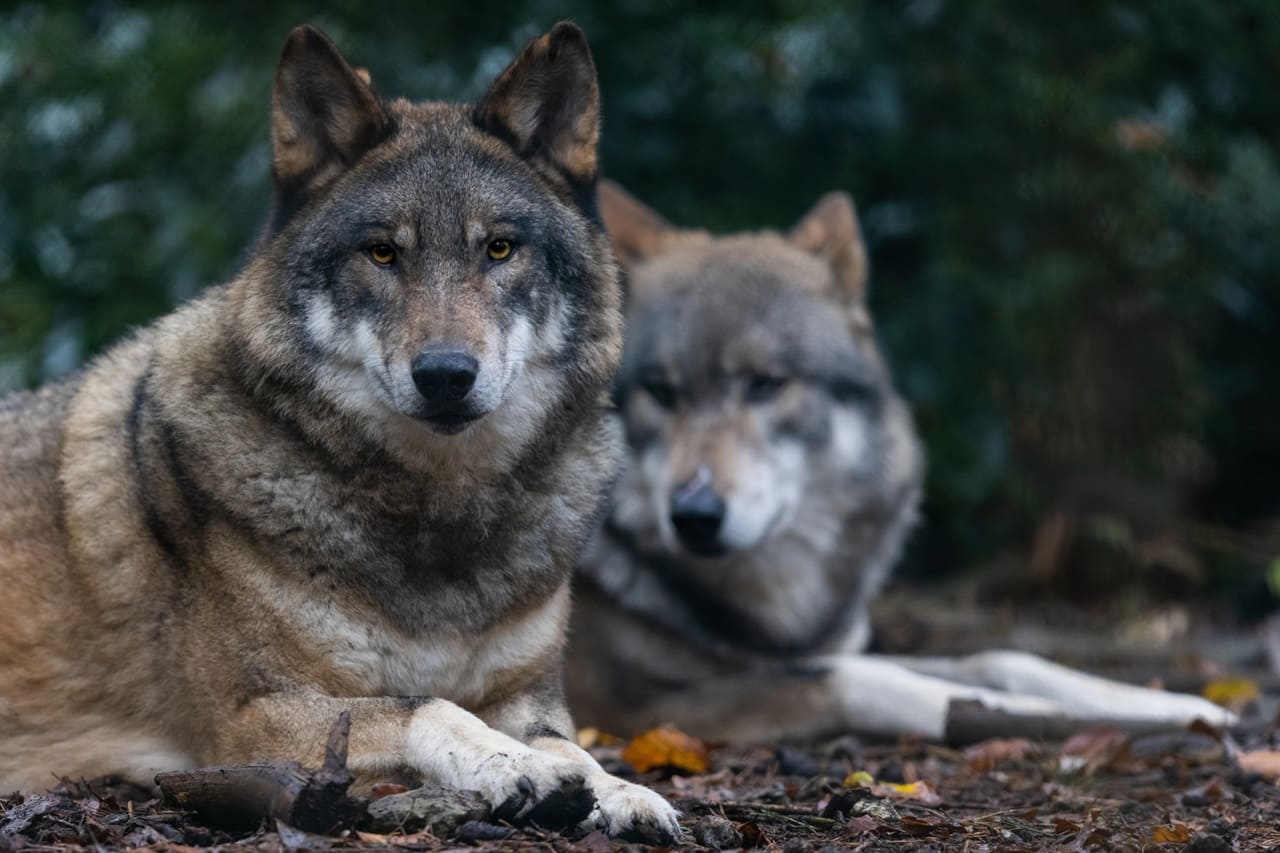
The large majority of German citizens (79%) are pleased that the wolf has once again become part of nature in Germany. Wolves belong in our landscape just as much as foxes, deer, or beavers. This is the result of a representative public survey conducted by the opinion research institute forsa on behalf of NABU for Wolf Day (30 April).


The large majority of German citizens (79%) are pleased that the wolf has once again become part of nature in Germany. Wolves belong in our landscape just as much as foxes, deer, or beavers. This is the result of a representative public survey conducted by the opinion research institute forsa on behalf of NABU for Wolf Day (30 April). 55% associate positive feelings with the wolf, while only twelve percent have negative associations. 78% say that wolves should be allowed to live in Germany, even if problems were to arise in some cases.


Climate for the wolf remains favorable
«People in Germany continue to have a positive attitude toward the presence of the wolf. Even though parts of the political establishment, the farming lobby, and the hunting lobby repeatedly stir up sentiment against the wolf, the climate for the wolf remains good 18 years after its return,» says NABU federal director Leif Miller. The strictly protected wolf — protected across Europe — had been nothing more than a creature of fable for most people until a few years ago, having been wiped out in Germany 150 years ago.
«We must learn to live with the wolf again — this requires not only information and public education, but above all support for livestock owners in the area of herd protection.»
NABU rejects any cap on wolf numbers
NABU clearly rejects the demands of the CDU/CSU and SPD to limit the number of wolves. NABU likewise opposes any change to the wolf's protected status. The EU Commission recently reaffirmed this position as well, stating that the strict protected status should not be relaxed. “The conditions for a ‘favorable conservation status’ are far from being met. For exceptional cases, such as dealing with wolves that display undesirable behavior, the existing legal regulations are sufficient to order — if necessary — the targeted culling of a wolf,” says NABU wolf expert Markus Bathen.
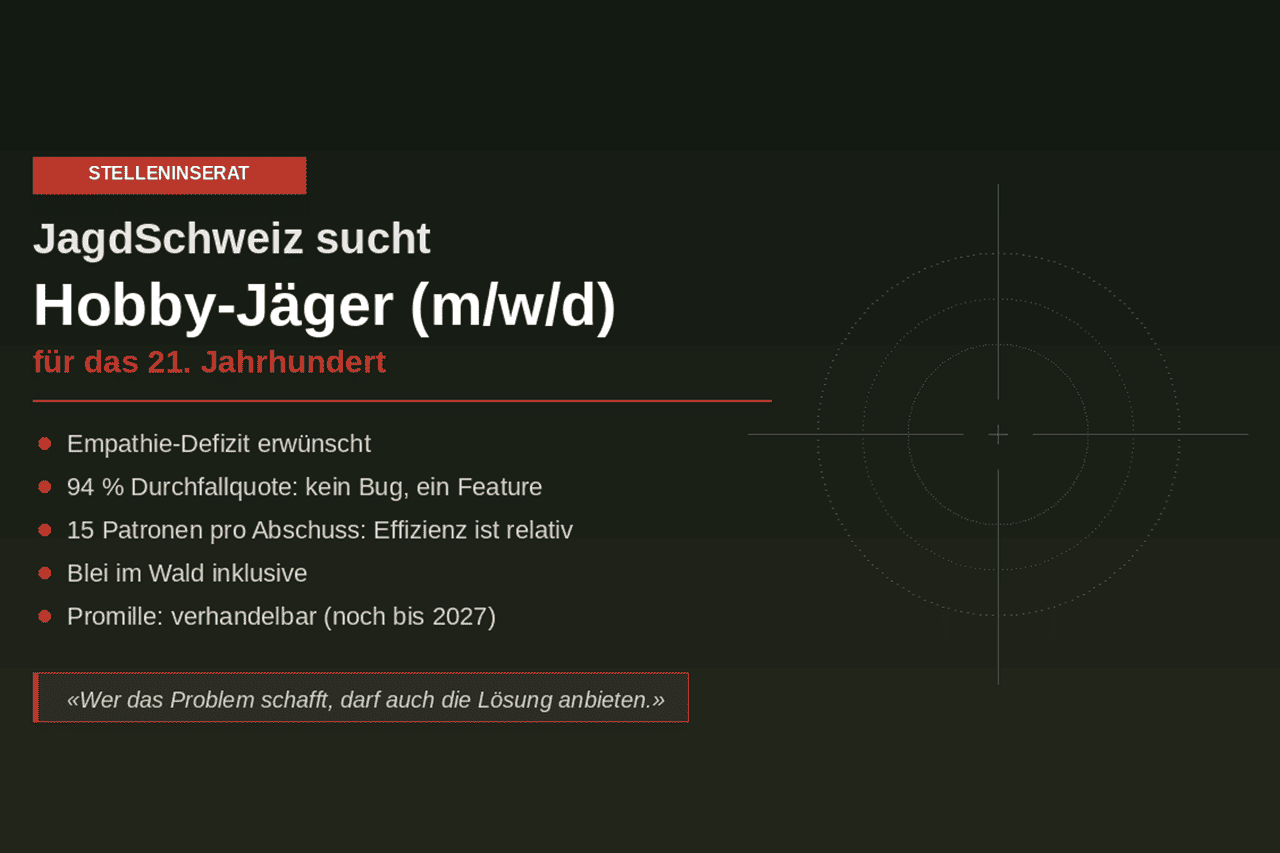
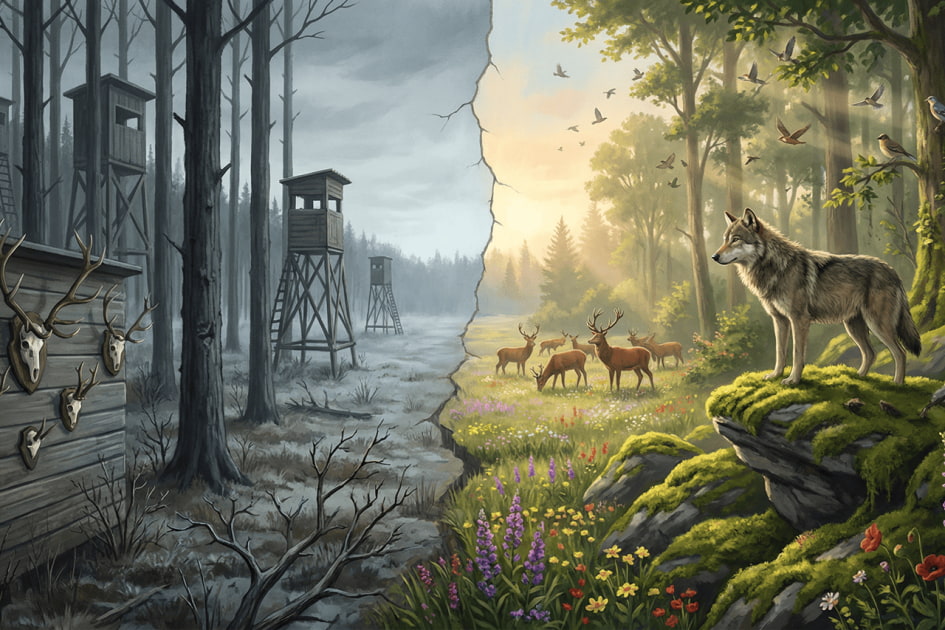
NABU therefore also condemns the German Hunting Association's demands to include the wolf in federal hunting law as professionally counterproductive and as unnecessarily fuelling a recurring sham debate. The use of hobby hunting as population control fails with wolves too.
Herd protection instead of culling quotas
The be-all and end-all is comprehensive herd protection across Germany's wolf territories. NABU has already initiated initial herd protection projects with partners in Brandenburg, Baden-Württemberg, Hesse and Lower Saxony. “But the federal and state governments must finally commit together to herd protection,” Miller continued. NABU calls for the establishment of a national herd protection center to complement the already existing nationwide wolf documentation and advisory center (DBBW), as well as its urgent long-term funding.
The return of the wolf is a success story and, as the forsa survey shows, is viewed positively by the majority of German citizens. In order to sustainably strengthen this broad public acceptance of the wild animal among the population, NABU believes that what is needed above all is a solution-oriented approach to potential human-wildlife conflicts — to this end, practical, unbureaucratic implementation of herd protection measures must be promoted alongside investment in science and research.
The survey was conducted on behalf of NABU by forsa Politik- und Sozialforschung GmbH. Between 23 February and 4 March 2018, 2’009 German citizens aged 18 and over were surveyed using the population-representative survey panel forsa.omninet.