Forest pests in Graubünden?
In Graubünden, the hobby hunters are promoting deer as forest pests. The facts show: recreational hunting exacerbates the problem rather than solving it.


Year after year, sectarian and life-contemptuous propaganda from the dark world of hunting.
«Many Graubünden hunters hunt out of joy and passion. Hunting is only legitimised, however, when it is also understood and carried out as an obligation and mandate. Only when the «productive» wildlife populations (red deer, roe deer, chamois in lowland areas, ibex in the Engadin, wild boar in southern Graubünden) are regulated in size may populations and species also be hunted that would cause hardly any conflict even without hunting (chamois in the mountains, ibex in alpine zones, hares, game birds and ducks).» gloats, for example, the Office for Hunting and Fishing in Graubünden to the media.
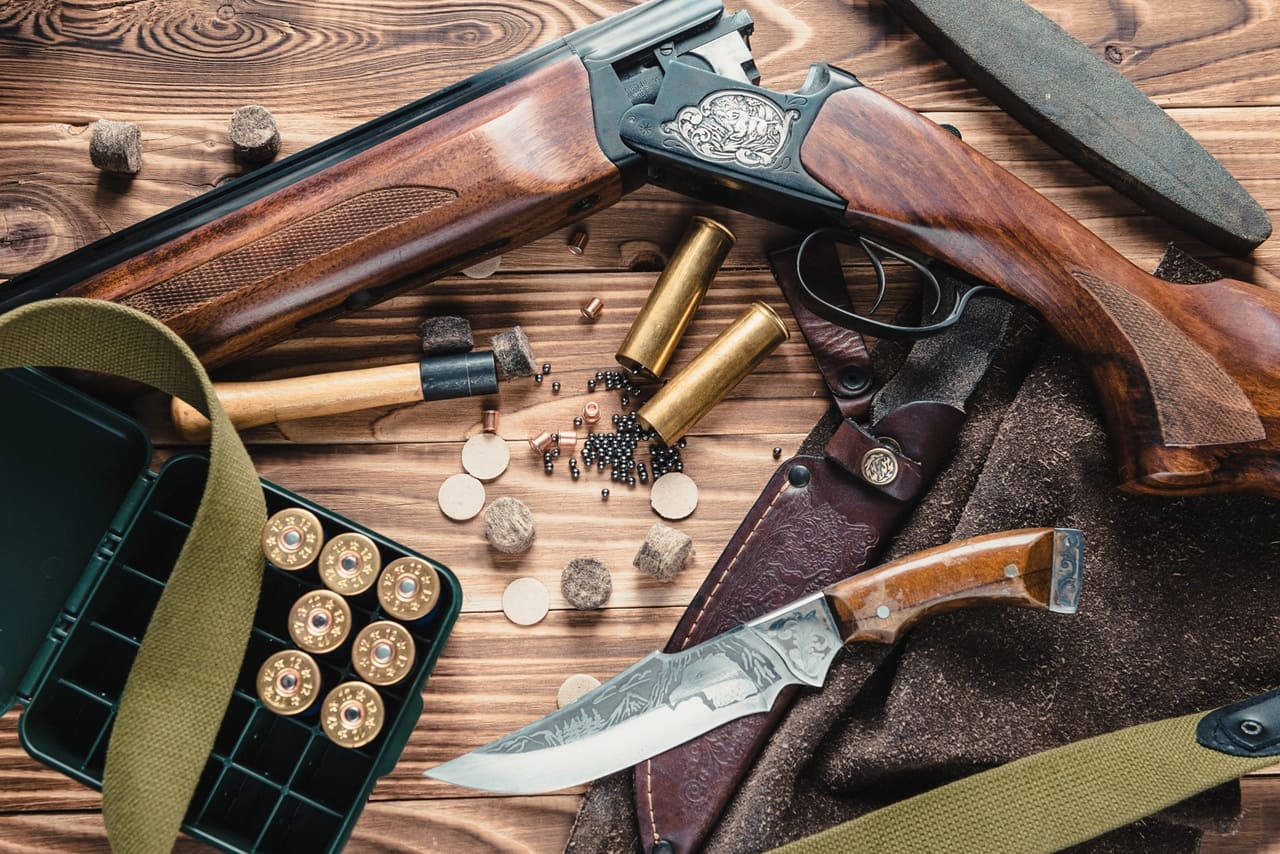
It is about the money from the revenue generated by the licences that hobby hunters must purchase for their animal cruelty. Today's hunting is a war machine for recreational killers. Hobby hunters are avid buyers of expensive weapons and lethal hunting accessories. These are meant to be used — in unfair slaughter.
A simple and cost-effective option in modern wildlife biology is immunocontraception, to sustainably regulate animal populations when needed. Immunocontraception is used today by animal welfare advocates to regulate populations in the wild or in zoos.
Recreational hunting destroys the normal social coexistence of wildlife, the ecological balance, their natural behaviors, family structures and social groups, use of dens and hiding places, the shift from daytime to nighttime activity, increased migration into unhunted residential areas, unnatural concentrations of animals in forests, etc. Roe deer and red deer are grazing animals and are found primarily in forests out of fear of hobby hunters, where they are subsequently labeled as a problem. Furthermore, sick wild animals not infrequently find the right medicine in nature and recover — if they are lucky, before receiving the lead bullet of the hobby hunter.
Hobby hunters are the self-appointed predator in human form. What the hobby hunter considers «good» has nothing to do with truth, honor, decency, consideration for others, or anything else — except what the hobby hunter wants at any given moment. Whether it be the cruel driven hunt, trap hunting, bird hunting, den hunting, pass hunting, or special hunting. Behind closed doors, many experts across Europe shake their heads at the militant activities of such hunting practices.
Due to improper hunting practices, as seen in the problem canton of Graubünden in Switzerland, roe deer and red deer reproduce at disproportionately higher rates compared to other regions with less hunting pressure. Hunting pressure, along with other factors, increases the reproduction rates of the affected animal populations — a phenomenon observable not only in wild boar, foxes, roe deer, red deer, and pigeons, but in every species (species preservation, survival instinct, compensatory reproduction, etc.).
The umbrella organization of hunters in Switzerland wrote on 29.8.2011: «JagdSchweiz knows that wildlife populations would fundamentally regulate themselves — even in our cultivated landscape — on their own.»
Cultivated landscape also means practicing a culture of non-violence toward living beings. Hunting living beings is a lack of culture, just as sodomy, bullfighting, or war are. Culture means: thou shalt not kill — this too was recognized by Hubertus.
The only suffering a hobby hunter recognizes is when «their» game is taken away from them. That is the full depth of their emotional life. As if there were not enough meat on the market. The systemic evil originates from a small group of anachronistic individuals who have no conscience; either because they were born that way, or because their conscience died or withered during their upbringing.
Hobby hunters are incapable of doing anything genuinely creative. They depend on people with conscience and developed character to accomplish anything creative. It is therefore not surprising that in the past it was animal welfare advocates who set in motion the drive for improvements in wildlife protection. Hobby hunters have always responded reluctantly to initiatives of progress. Common sense led to greater wildlife protection in hunting practice — for example through the abolition of leg-hold traps or the hunting of birds with lime sticks. Animal welfare advocates were the driving force behind the restriction of hunting seasons and the reduction of the number of huntable species. To prevent the extermination of wildlife, animal welfare advocates imposed on hobby hunters the moral obligation of game stewardship, or brought the entire issue of ammunition to the table. The ethics of hobby hunters have traditionally always lagged behind the zeitgeist.
Whenever one deals with hobby hunters, one is also invariably dealing with a kind of criminal mindset.
In the deer factory of Grisons in Switzerland alone, as early as 2013, 995 (964) administrative fines were issued and 127 (125) complaints were filed with the district offices due to violations of hunting legislation. Practically every fifth hobby hunter among the 5,289 was a delinquent, with a large number of unreported cases in the annual cycle.
2023 – ff : Publications
2022: The number of administrative fines issued and complaints filed remained within the usual range.
2021: The number of administrative fines issued and complaints filed remained within the usual range.
2020: 1241 Complaints and fines
2019: 1104 Complaints and fines
2018: 1114 Complaints and fines
2017: 1384 Complaints and fines
2016: 1201 Complaints and fines
2015: 1298 Complaints and fines
2014: 1102 Complaints and fines
2013: 1122 Complaints and fines
2012: 1089 complaints and fines

Wild beim Wild
IG Wild beim Wild is a non-profit advocacy organization committed to the sustainable and non-violent improvement of the human-animal relationship, with a specialization in the legal aspects of wildlife protection. One of our primary goals is to introduce a contemporary and credible wildlife management system in the cultivated landscape, modeled on the Canton of Geneva — without hobby hunters, but with upright game wardens who genuinely deserve the title and act in accordance with a code of ethics. The monopoly on the use of force belongs in the hands of the state. IG Wild beim Wild supports scientific methods of immunocontraception for wildlife.