Fennel: A Multi-Talented Plant with Healing Powers
Whether as a vegetable, tea, or spice – fennel captivates with its distinctive flavour and is remarkably versatile on the plate.

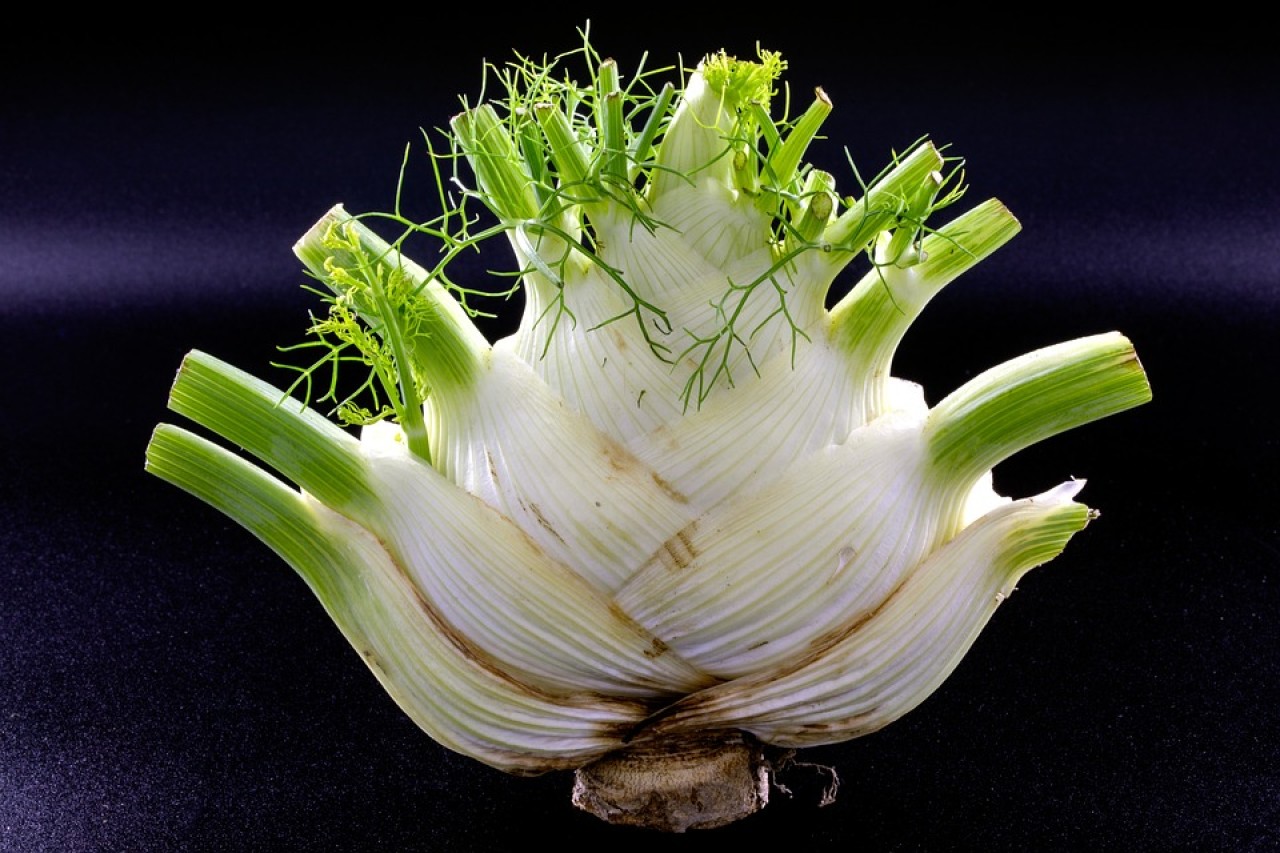
Fennel is today a globally widespread vegetable, spice, and medicinal plant, and within the family of umbellifers it is even the only plant species of the genus Foeniculum.
Origin and Cultivation in Switzerland
The origin of fennel is believed to lie somewhere in the Near East and the Mediterranean region. Today, the main cultivation areas for fennel are in Italy, Spain, southern France, Greece, and North Africa. But fennel is also grown in Switzerland and is in season from May to November. Swiss people consumed around 1.4 kilograms of fennel last year – approximately 4’761 tonnes of fennel were harvested in Switzerland, with a further 7’150 tonnes imported.
An Acquired Taste
Fennel provides vitamin C, potassium, magnesium, and iron, and contains beneficial essential oils. Among other things, these oils ensure that fennel – whether as a tea or a vegetable – has a harmonising effect on the digestive tract, stimulates digestion, and serves as good medicine for spasmodic coughs or flatulence. However, the essential oils also give fennel its uniquely distinctive and intense flavour, which is not to everyone’s taste.
In the kitchen, however, fennel is almost universally applicable and offers a great many different methods of preparation: it can be enjoyed raw or cooked, sliced, cut, quartered, or used whole, and prepared in the oven or in a pan, for soups or a salad. Fennel fronds and stalks also find use in the kitchen. And fennel with its anise-like flavour is even used in spirits such as absinthe or pastis. Further articles on plant-based nutrition and education on wildbeimwild.com.
| You can help all animals and our planet through compassion. Choose empathy on your plate and in your glass. Go vegan. |