Federal Council approves revised hunting ordinance
The Swiss electorate voted in September against the revised hunting ordinance and thus, among other things, against making it easier to shoot wolves.

On 30 June 2021, the Federal Council approved the revised hunting ordinance and brought it into force on 15 July 2021.
Faster intervention in wolf populations
In doing so, it fulfils two parliamentary motions. These demanded that, following the electorate’s rejection of the revision of the Hunting Act in September 2020, the ordinance be adapted within the framework of the existing law. Cantons are now permitted to intervene more quickly in wolf populations.
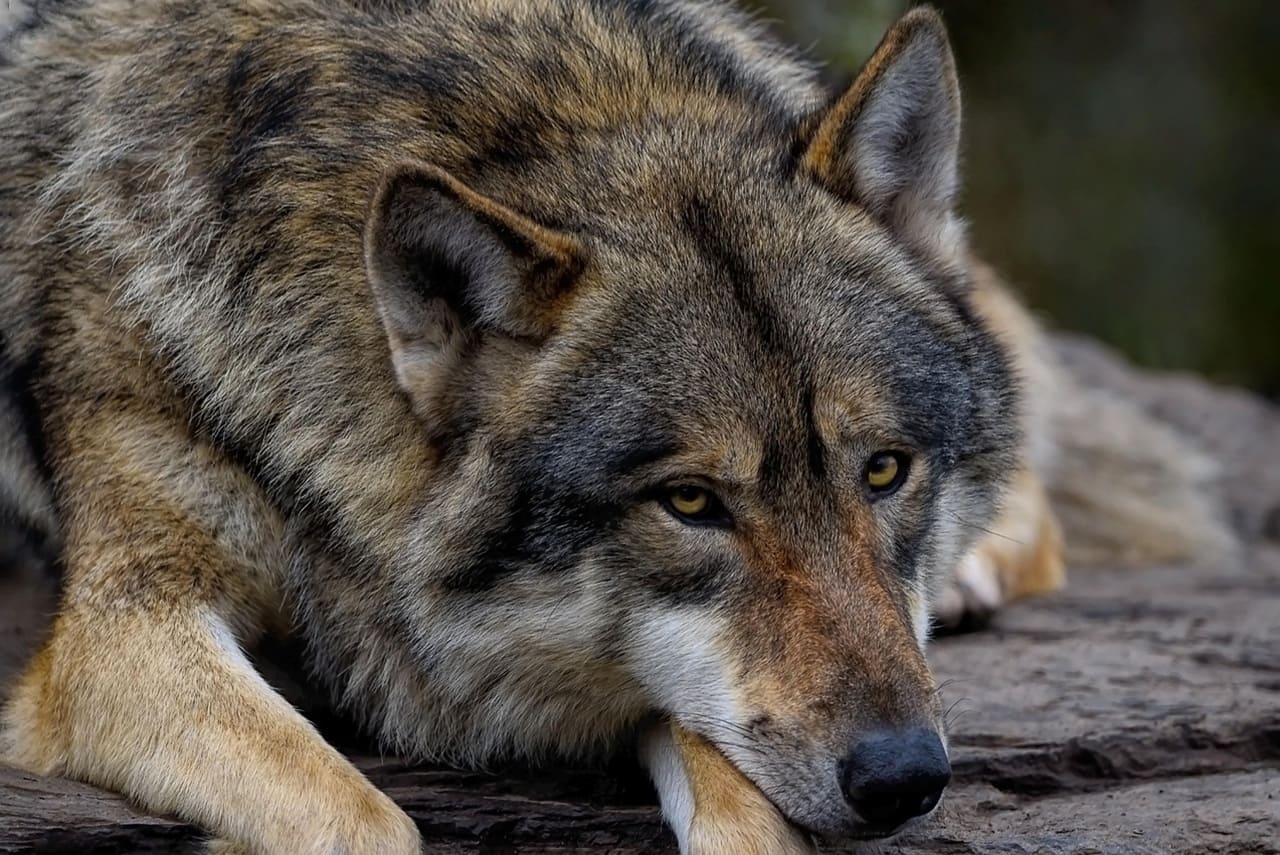
According to the revised hunting ordinance, wolf packs may be regulated after 10 sheep or goats have been killed. Previously, the threshold was 15 animals. For large livestock such as cattle, horses, llamas and alpacas, the damage threshold has now been specified: two kills are sufficient to trigger intervention in a pack.
It is shocking that the Federal Council is making it easier to kill wolves, even though this very decision was rejected by a popular vote just last September. We are appalled that the Federal Council is placing the life-disregarding industry above animal and nature protection.
Ilana Bollag, PETA Switzerland.
The ordinance revision also strengthens herd protection. The federal government now supports additional measures, such as the electrical reinforcement of pasture fences to protect against predators. The revised ordinance does not provide for preventive regulation of wolves. The authority to intervene in a pack remains with the federal government.
Two motions called for revision
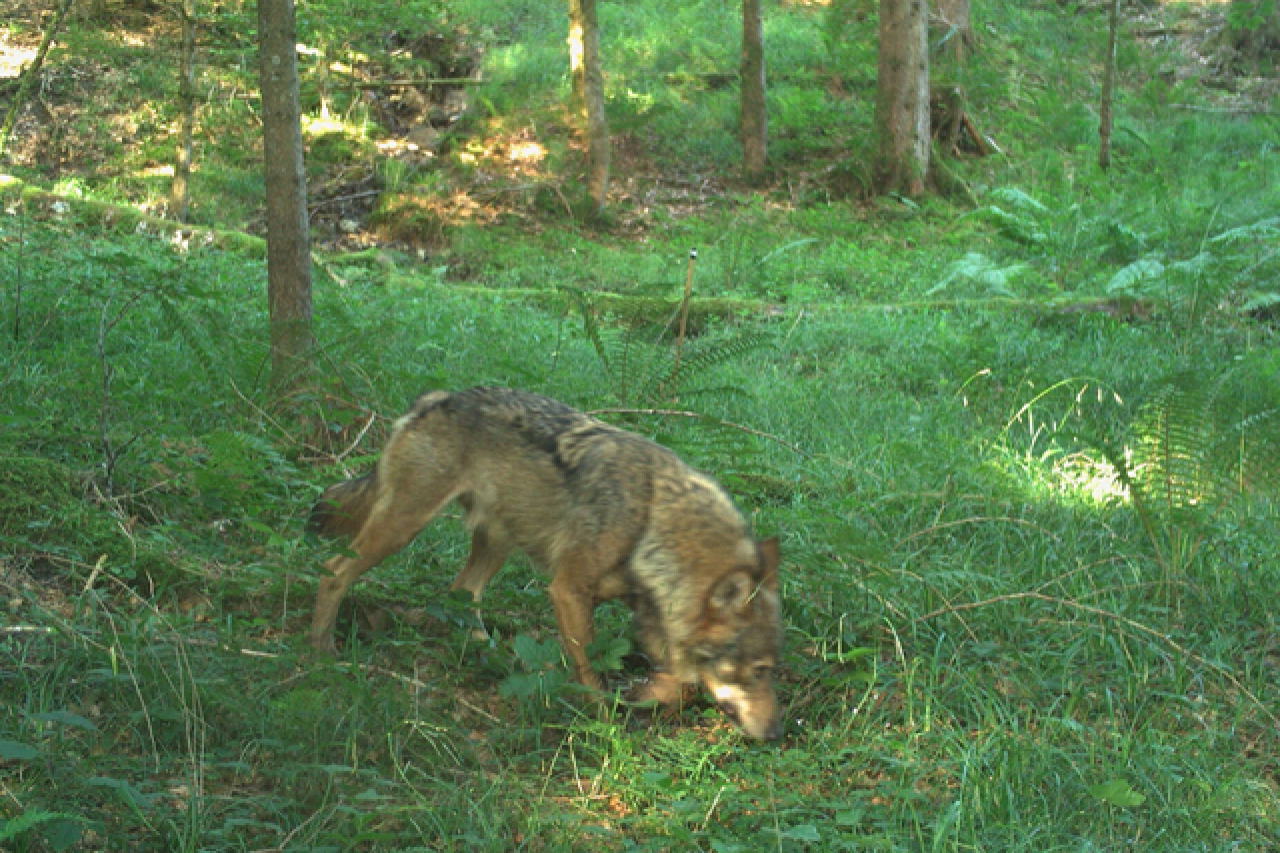
The number of wolves and packs in Switzerland is steadily increasing. At the end of February 2021, there were around 110 wolves and 11 packs. The growing spread of the wolf can lead to conflicts between predators and livestock farming, particularly in mountain areas.
Dossier: Wolf in Switzerland: facts, politics and the limits of hunting
Documents:
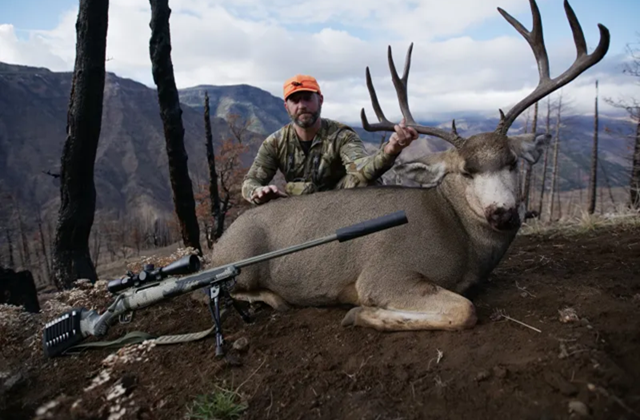
More on the subject of recreational hunting: The scientific evidence is presented in the overview Studies on the Effects of Recreational Hunting.
The position of IG Wild beim Wild: IG Wild beim Wild rejects recreational hunting. Our model is the canton of Geneva, which has managed without recreational hunting since 1974: without hunting seasons, without hunting dogs, without driven hunts, without high seats, without the animal cruelty and crime that go hand in hand with hunting season elsewhere. What has worked there for over fifty years disproves every position paper by JagdSchweiz. An association that bases its policy on claims it refutes in its own documents is not a professional organisation, but a factory for misinformation.