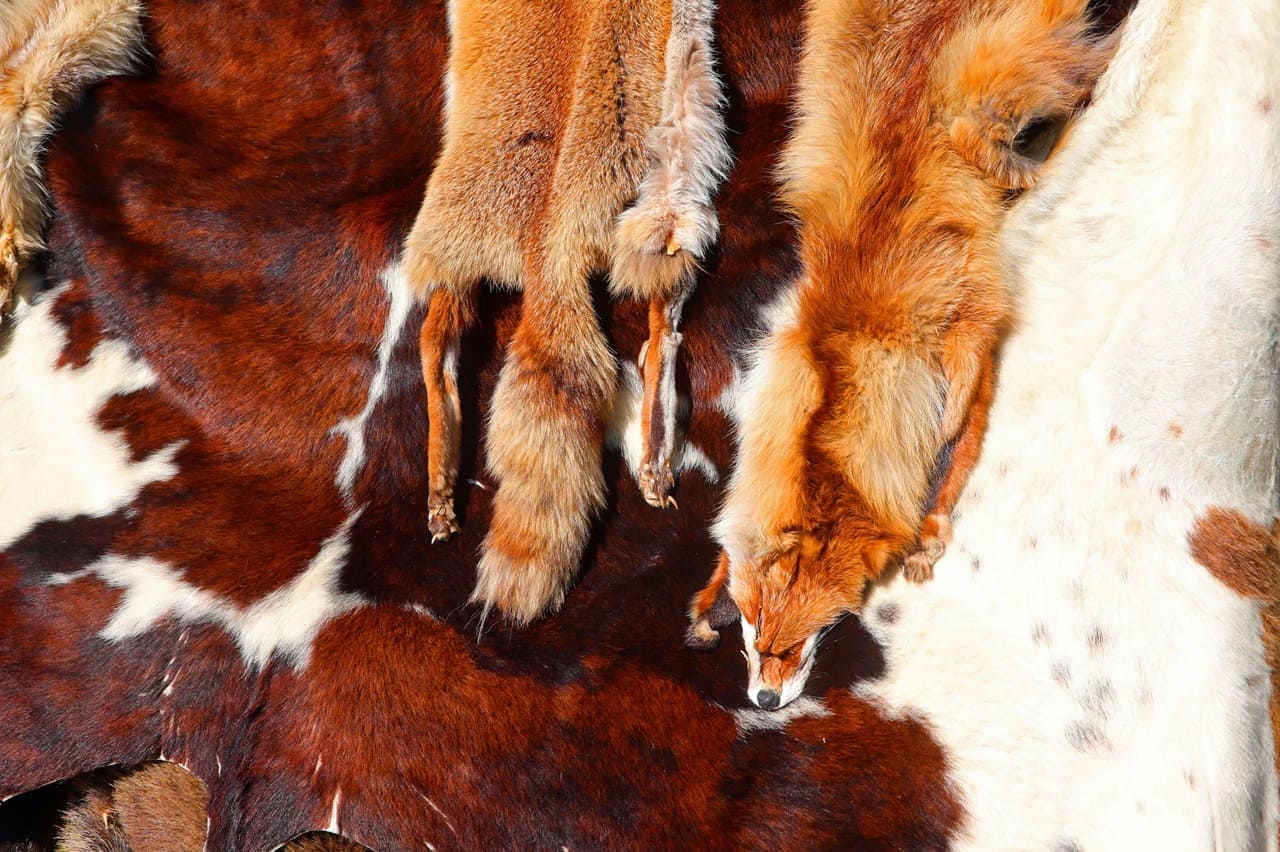
Facts Nobody Tells You About Hobby Hunting
People don't become opponents of hunting out of boredom, but out of knowledge of this animal cruelty.

Hobby hunters produce many excuses to justify their pastime. Cruel, unnecessary killing — which hunting so often is — has no place in a civilised society.
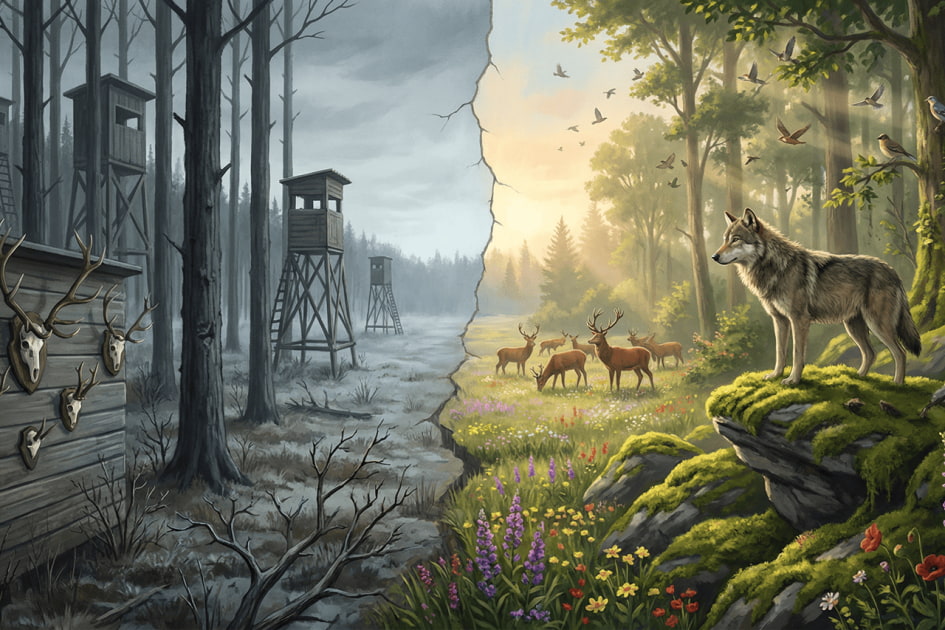
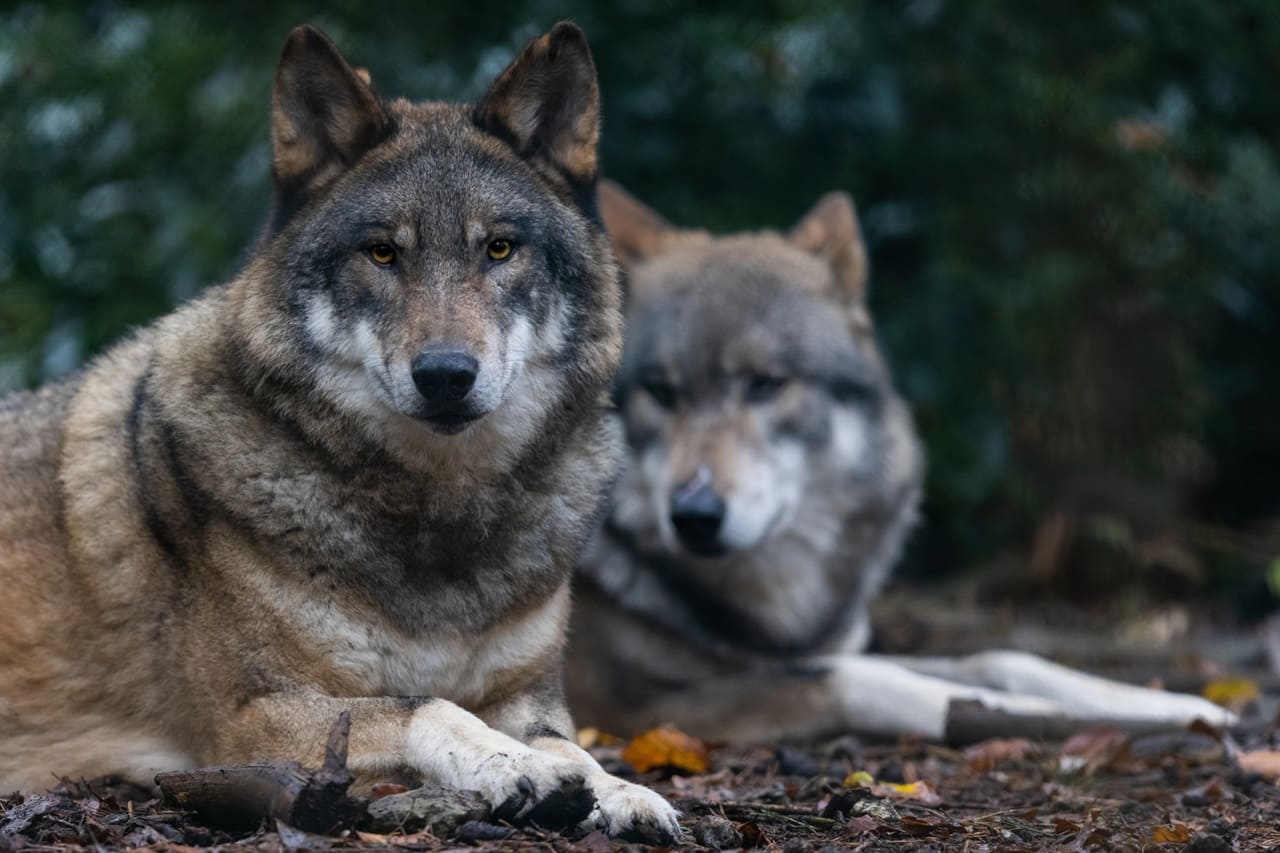
Where lynx and wolves occur regularly, less damage to forest regeneration is observed — yet these are precisely the animals now set to face renewed and intensified persecution, despite their low population numbers. There are currently around 300 lynx and 40 wolves in Switzerland. The habitat could support ten times that number.
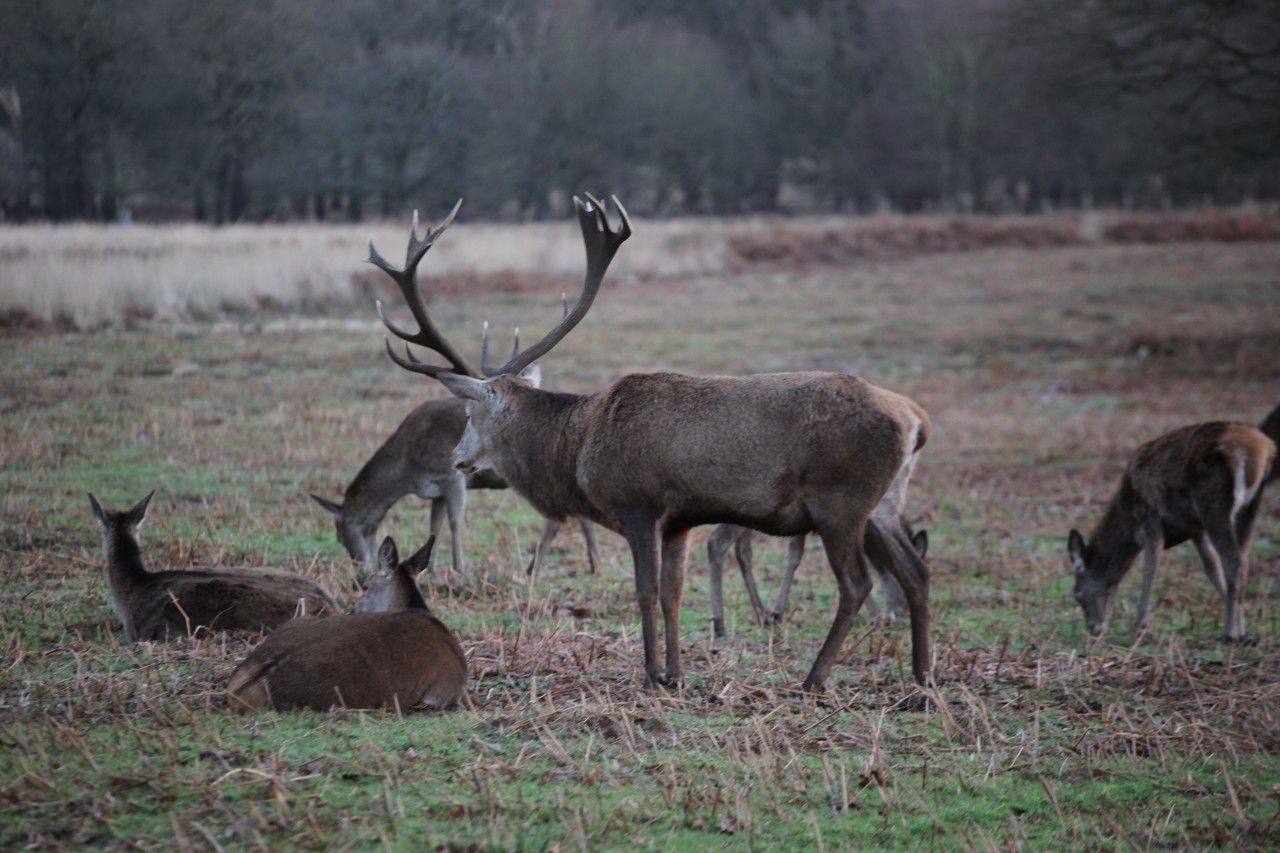
In 1970, the estimated red deer population in Switzerland stood at 11,880 animals. At the time, 1,611 were shot by hunters, representing 13% — including 36 young animals. It was not until 1962 that the hunting of young animals suddenly began, even though populations had been at a reasonable level for years. According to these statistics, red deer hinds have been hunted since 1949; prior to that, only stags were taken.
Red Deer in 2014

Population: 33,072 — cull: 10,715, representing 32% — including a 45% share of young animals. 4,873 calves were born only to be sold to hobby hunters for immediate slaughter. That hardly seems fair. Just imagine if someone did to us humans what hobby hunters do to wild animals. Any other animal keeper who terrorised, mistreated, manipulated, and subjected those in their care to fear and terror to such a degree would be in prison.
Since game meat — among many other health risks — has been officially confirmed by the WHO to be carcinogenic, hunting is certainly no longer an existential drive for survival. The urge for food and drink can be satisfied ethically in this day and age. Moreover, meat is available in abundance. The hunting instinct is an archaic remnant of a bygone era, like cannibalism and making fire with stones — a form of barbarism.
When you look at all these hunting statistics, even with the best will in the world you cannot identify any regulation, plan, concept, balance, or strategy aimed at a sensible equilibrium — only manipulation and stimulation of hunters. For some wildlife populations, numbers are rising unnaturally fast, while for others they are falling steeply toward the Red List of endangered species.
According to their own figures, the approximately 30,000 members of “Jagd Schweiz” invest annually over 100 million francs in the slaughterhouse that is nature. That amounts to over CHF 3,333 per rabbit whisperer for weapons, lobbying, hunting permits, etc.
On the other hand, foresters have been saying for decades that deer — parked there mainly by hunters — are damaging the protective forests. This is also because their traditional winter habitats are frequently used by sports enthusiasts. The animals retreat into the forest. The high wildlife populations in mountain areas mean that forest regeneration can no longer be guaranteed to the required extent. Protective forests are at risk of losing their effectiveness. Almost half of our forests protect people, settlements, and transport routes from natural hazards. To keep them stable, they must be carefully maintained. For the preservation of protective forests and avalanche control structures, the federal government provides millions in subsidies each year. From 2008 to 2012, for example, the federal government subsidized protective forest management in the canton of Valais with 40 million francs. The canton contributed 44 million and the municipalities a further 16 million. In total, 100 million francs were invested in just four years in Valais alone.
Swiss forests have around 250,000 forest owners; 96% of these are private owners with less than 50 hectares of forest. On average, the latter each own 1.37 hectares of forest.
In fact, recreational hunters have been unable for decades to manage even the deer population in any meaningful way, and their hobby continues to consume taxpayer money. While new forms of animal cruelty are constantly being introduced — such as special hunts toward winter, shooting of juvenile animals, shooting of mother animals, disturbances, and so on — merely to keep up appearances, the results have been unsatisfactory for decades and generate fierce controversy. Moreover, these new hunting methods are not based on modern scientific wildlife biology findings, but are acts of cruelty that were already condemned in earlier times. The whole thing has long had nothing to do with hunting anymore.
Hunting is not wildlife management — it is an ethical declaration of bankruptcy, a failure of society.
Reputable wildlife biologists have been pointing out for years that misguided hunting planning and hunting pressure only causes birth rates to explode. Animal welfare advocates have long been sustainably regulating animal populations when necessary through birth control. Zoos, wildlife parks, and similar institutions do the same.
For decades, the residents of the Canton of Geneva have wanted no blood money from the animal cruelty of recreational hunters in the cantonal treasury. What hundreds of recreational hunters once carried out there in an equally inferior manner is today handled — along with many other responsibilities — far more exemplarily by just 11 game wardens.
Eight Facts
1. Real sports involve competition between consenting parties and do not end with the deliberate death of an unwilling participant. Otherwise, it is an activity that has nothing to do with traditional hunting, but is instead a form of terrorist sniping. Those drawn to it are cowards, the weak, the disturbed, or the devious.

2. Hunting associations and cantonal offices for hunting and fisheries want to decimate predators such as wolves or lynxes in order to protect prey animals like roe deer, chamois, or red deer from them. This gives recreational hunters more animals to shoot, which — through the sale of hunting licenses or territory fees — funnels blood money into cantonal coffers. It is, much like a travel agency, all about organizing attractive hunts.

3. Natural phenomena such as predators, hunger, food availability, and disease kill primarily the sick and weak individuals. Hobby hunters, on the other hand, try to kill the larger, stronger animals because they want to hang their heads on a wall, which weakens the remaining population. In any case, animals are always shot that would have contributed to a strong and healthy gene pool without recreational hunting.

4. Most hunts take place in secrecy, where laws protecting wildlife are often ignored or difficult to enforce. Anyone who believes that hobby hunters — who are already overwhelmed in many respects during the hunt, such as animal welfare, conservation, laws, ethics, etc. — are also competent butchers is simply naive.

5. When animals are killed, families are torn apart, and young animals often starve or are attacked by other animals. For animals such as wolves or foxes, which are mostly monogamous and live in closely bonded family units, recreational hunting can destroy entire social structures.

6. Hobby hunters frequently injure and kill animals other than those being hunted, including horses, cows, donkeys, dogs, and cats. Sometimes hunters even injure or kill themselves or other people, such as hikers or fellow hobby hunters.

7. Dogs used for hunting not infrequently spend the entire year leading a miserable and dreary life in a kennel and are only able to let off steam during the hunting season. Some dogs are lost or killed during the hunt.

8. Hunted animals often do not die painlessly or quickly. Many animals have to be shot multiple times. A British study on deer hunting found that 11 percent of deer killed by hobby hunters died only after two or more gunshot wounds, and that some injured deer suffered for more than 15 minutes before dying. The worst marksmen in Switzerland are hobby hunters.

Millions of animals are killed every year by hobby hunters. Stop the bloodshed by refusing to join the militant perpetrators of violence, by sharing this page and educating people about recreational hunting.
Interessen-Gemeinschaft Wild beim Wild
IG Wild beim Wild is a non-profit advocacy organization committed to the sustainable and non-violent improvement of the human-animal relationship, with a specialization in the legal aspects of wildlife protection. One of our main concerns is to introduce a contemporary and professional wildlife management system in the cultural landscape, modeled on the Canton of Geneva — without hobby hunters, but with upright game wardens who truly deserve the title and act according to a code of ethics. The monopoly on the use of force belongs in the hands of the state. The IG supports scientific methods of immunocontraception for wildlife.