Europe: Living with Wildlife
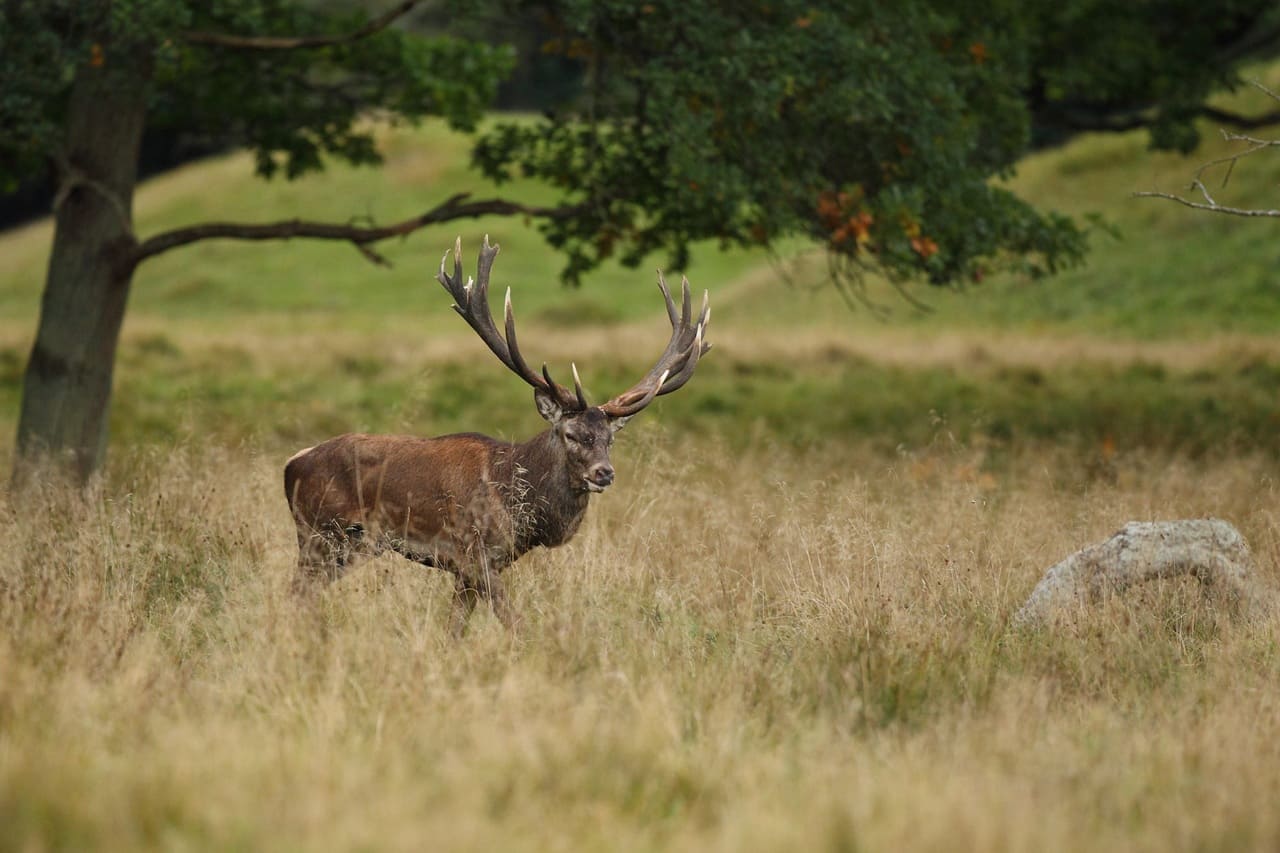
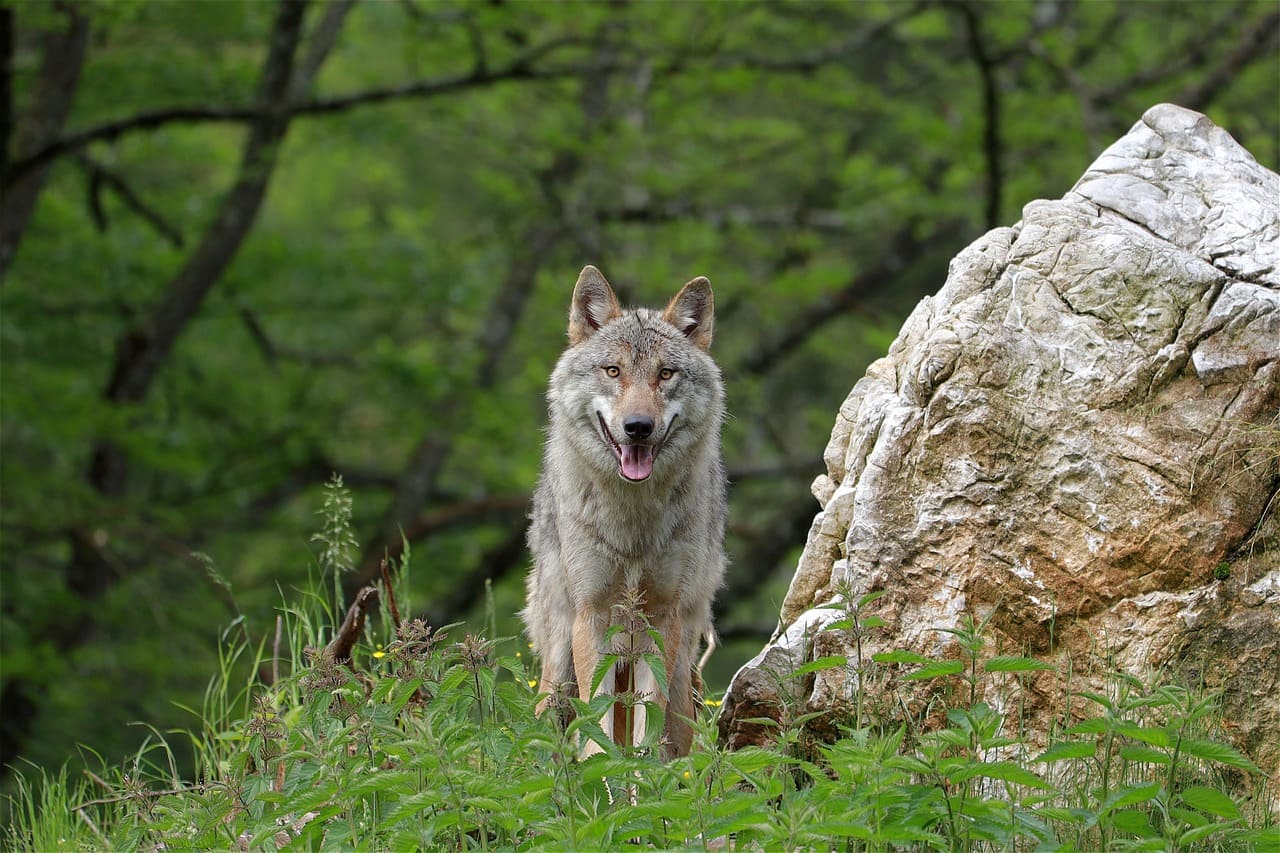
More and more people in Europe are sharing their habitat with large wild animals such as wolves, bears, or lynxes. The return of the predators is polarising: some people are fascinated, while others are unsettled or worried about their livestock and pets. How potential conflicts can be resolved and prevented is the focus of the international conference “Pathways Europe”, taking place from the 16th


More and more people in Europe are sharing their habitat with large wild animals such as wolves, bears, or lynxes. The return of the predators is polarising: some people are fascinated, while others are unsettled or worried about their livestock and pets. How potential conflicts can be resolved and prevented is the focus of international experts at the conference «Pathways Europe», taking place from 16 to 19 September in Goslar.
At the opening, Moritz Klose of WWF Germany emphasises: «Conflicts between people and wildlife occur all over the world. Looking beyond national borders shows that coexistence is possible. As WWF, together with numerous partners across Europe, we are committed to raising awareness of potential solutions.»
17’000 wolves, 16’000 bears, 9’000 lynxes
According to official estimates, Europe is currently home to around 17’000 wolves, 16’000 bears, 9’000 lynxes, and 1’250 wolverines, with numbers on the rise. Wherever they seek out new habitats, heated debates about upper limits, protection zones, and culling are frequently breaking out.
Moritz Klose makes clear why these demands lead to a dead end: «The wolf and many other wild animals are at home in Europe and are therefore part of European identity. In their homeland, they deserve and need our protection. This also requires us as humans to change the way we manage our economies.»
Digital portal in 26 languages
To facilitate exchange across Europe, LIFE EuroLargeCarnivores will be bringing together various interest groups in the coming years. Simultaneously, a new platform is being launched at www.eurolargecarnivores.eu a digital portal in 26 languages online, where website users can contribute and discuss existing solutions.
In some parts of Europe, predators have lived for centuries, while in other countries they are currently returning. The EU-funded project LIFE EuroLargeCarnivores is committed to shaping shared habitats for humans and wildlife while taking all interests into account. More on Biodiversity.
More on the subject of recreational hunting: In our dossiers on recreational hunting gather fact-checks, analyses and background reports. What the research says about this is shown by Hunting fact-checked: the state of research.
The position of IG Wild beim Wild: IG Wild beim Wild rejects recreational hunting. Our model is the canton of Geneva, which has managed without recreational hunting since 1974: without hunting seasons, without hunting dogs, without driven hunts, without high seats, without the animal cruelty and crime that go hand in hand with hunting season elsewhere. What has worked there for over fifty years disproves every position paper by JagdSchweiz. An association that bases its policy on claims it refutes in its own documents is not a professional organisation, but a factory for misinformation.