EU Animal Welfare Regulation 2026: A milestone with gaps – hunting dogs remain exempt
The new «Cats and Dogs» regulation brings real progress – yet hunting dogs are deliberately left out of its scope. In many respects, Switzerland is already far ahead.
The European Parliament in Strasbourg recently voted by a large majority – 558 votes in favour, 35 against and 52 abstentions – for the first EU-wide regulation on the protection of dogs and cats.
The so-called “Cats and Dogs” regulation closes a gap that has been lamented for decades: until now, there were no uniform animal welfare rules for pets in the EU. That is now changing. At the same time, the regulation shows how effectively lobbying can build protection gaps into laws.
What the regulation actually delivers
The centrepiece of the new rules is the mandatory identification of all dogs and cats by means of a microchip, along with their registration in national databases. This is intended to ensure the complete traceability of pets – from the breeder through the trade to the private household. A transitional period of four years applies to animal shelters, traders and commercial breeders. Private dog owners have ten years, and for cats the period is 15 years.
In addition, there is a ban on torture breeding: breeding aimed at exaggerated physical features with foreseeable health risks will be restricted Europe-wide. The ÖDP Member of the European Parliament Manuela Ripa, rapporteur of the Environment Committee, emphasised that unnecessary procedures such as tail docking will be banned for animals falling within the scope of the regulation.
The German Animal Welfare Federation described the decision as a “milestone for animal welfare in Europe” – but at the same time criticised the long transitional periods and the exemptions.
The gap: hunting dogs are not even covered
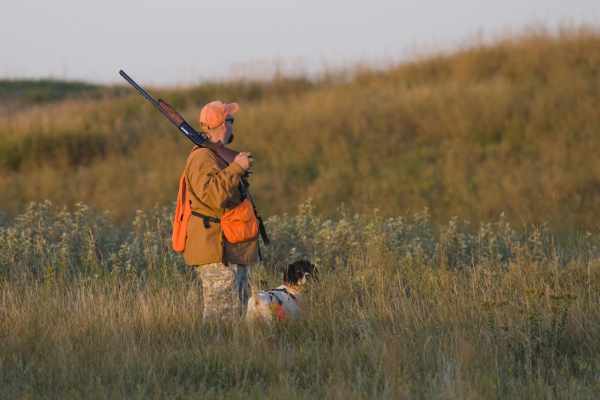
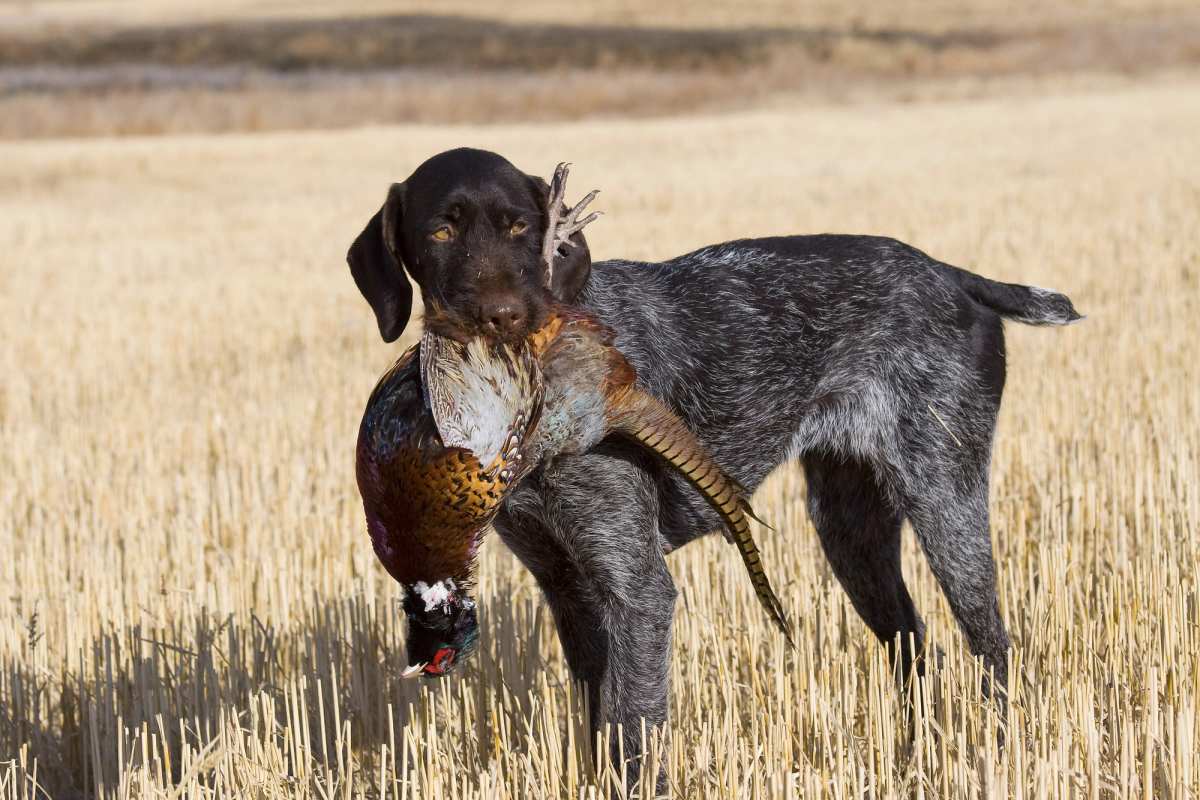
What is barely addressed in the public debate: the regulation does not apply to all dogs. The Eurogroup for Animals, a European umbrella organisation of animal welfare organisations, drew attention to the fact that the law explicitly does not apply to hunting dogs, livestock guardian dogs, or cats and dogs on agricultural holdings. As a result, an estimated 18 million cats and 2 million dogs in the EU remain without adequate protection under the new regulation.
In concrete terms, this means: the ban on docking tails and ears does not apply to hunting dogs. According to its own statement, the German Hunting Association (DJV) actively lobbied beforehand, together with the European hobby hunting umbrella organisation FACE, to keep hunting dogs out of the scope of the regulation. The fact that they succeeded is no coincidence — it is the result of targeted lobbying against animal welfare.
What is docking anyway?
Docking refers to the surgical shortening of the tail or ears in dogs. The word comes from the French «couper» — to cut. The tail is usually docked a few days after birth, the ears at the age of 8 to 12 weeks. Both are painful procedures performed on healthy body parts.
The tail is a central means of communication for dogs. A docked dog can no longer fully express its body language towards other dogs and humans, which can lead to misunderstandings and behavioural disorders.
The hobby hunting lobby's argument for docking: the long, thin tails of certain hunting dog breeds are prone to injury when chasing through undergrowth — blows against branches could lead to open fractures. Animal welfare advocates counter this: customs and police dogs of all breeds work intensively in confined spaces and among hard obstacles, without any comparable problem being known there. So why specifically with hunting dogs?
The historical origin of the practice is also interesting: the docking of dogs' tails in Germany is likely closely linked to the dog tax in Prussia of 1810. Hunting dogs were exempt from the tax and were identified by their shortened tails. The original motives were therefore neither medical nor related to animal welfare, but purely fiscal.
Switzerland: long since ahead
What is only being fought for laboriously and incompletely in the EU has been taken for granted in Switzerland for years. The docking of ears and tails is generally banned in this country — without exceptions for hunting dogs. The import of dogs with docked ears or tails is also prohibited. The Federal Food Safety and Veterinary Office (BLV) has clearly regulated this. Switzerland ratified the relevant European convention for the protection of pet animals unreservedly back in 1993 and transposed it into national law.
Relevance for Switzerland: focus on the puppy trade
Despite the protection gaps, the new EU regulation is directly relevant for Switzerland. Around 56 per cent of all dogs newly registered in Switzerland come from abroad. Behind part of this trade lie professional mass breeding operations that produce puppies under questionable conditions, separate them from their mothers too early and transport them into Switzerland with forged papers. Luzia Oeschger of the Schweizer Tierschutz STS welcomed the EU regulation: the chipping requirement and the standardised registration would make the origin much easier to trace. This would hinder the import of dubious puppies and help vets, authorities and owners with identification.
The Schweizer Tierschutz STS, for its part, is campaigning at the national level to close further gaps – for instance an import ban on cruelly produced fur products and foie gras, which are themselves banned in Switzerland but may still be imported.
The pattern stays the same
The «Cats and Dogs» regulation is a genuine step forward. At the same time, the exemption for hunting dogs is a textbook example of how hobby hunting associations operate: they push through their interests in the legislative process and deliberately keep their animals outside the scope of protection. Anyone who knows the pattern will also recognise it in the case of the wolf, in the federal hunting act in Germany and in the hunting act debate in Switzerland – lobbying in the name of tradition, at the expense of the animals.
Support our work
With your donation you help to protect animals and give their voice a hearing.
Donate now →LET'S STAY IN TOUCH!
We would like to send you the latest news and offers in our newsletter.