China's Silk Road drives the TCM trade
The expansion of the New Silk Road is not just an infrastructure project; it is also an accelerator of the global wildlife trade. New data from Pro Wildlife show that endangered species are still ending up in TCM products in Europe, despite species protection law and CITES controls.
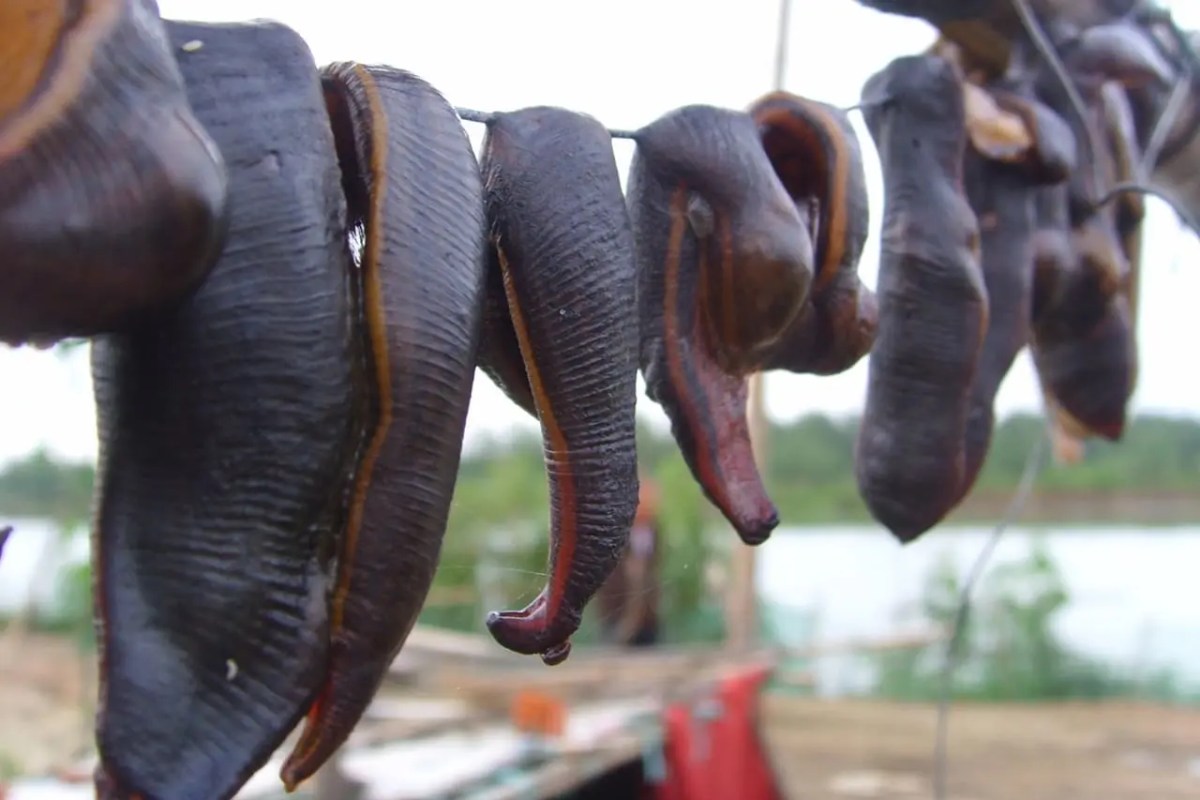
The new study by Pro Wildlife links the international spread of Traditional Chinese Medicine with the expansion of Chinese trade and healthcare networks.
According to the Chinese health authority, TCM is now established in 196 countries; more than 100 TCM medicines are registered in states of the Belt and Road Initiative. From a species protection perspective, this is alarming because the demand for wildlife parts is not decreasing but is instead being geographically extended.
Particularly problematic is the substitution mechanism: when a species becomes scarce or more strictly protected, demand often shifts to the next species. Pro Wildlife describes precisely this effect with rhino horn, saiga horn, tortoise shells, ray parts and fish swim bladders. The study thus supports the well-known logic of the wildlife trade: bans alone are not enough if new substitute species serve the same demand.
TCM and species loss
The examples cited by Pro Wildlife show how varied the pressure on wildlife populations can be. Rhino horn and saiga horn are traditionally used in TCM to treat fever and for "detoxification", although biologically they are mainly keratin. With fish swim bladders, the study reports that demand is shifting from nearly extinct species such as the totoaba and bahaba to large croaker fish; more than 110 countries are now said to be involved in this trade.
For species protection, this means: the more global the marketing, the greater the risk that locally protected species will resurface in new sales markets. This is precisely why the combination of trade infrastructure, online distribution and medical demand is so problematic. The expansion of the Silk Road perpetuates not only the flow of goods but also the marketing channels for endangered animals.
Europe is affected
Europe is not only a transit region but also a sales market. Pro Wildlife points out that TCM preparations containing wildlife parts are available in Germany, Austria, Luxembourg and Switzerland, for instance with tortoise shells or seahorses. For the EU, the organisation reported that more than 100,000 medicinal preparations containing parts of internationally protected animal species were seized between 2021 and 2023.
In Switzerland, the legal situation is clearer than the market: the FSVO enforces CITES, and protected species may not be removed from the wild or traded to an extent that endangers their populations. Nevertheless, enforcement practice — with recurring seizures — shows that species protection is regularly undermined at the border and in online trade. That is precisely the gap TCM providers can exploit.
What Switzerland should do
Three concrete levers emerge for Switzerland. First, stricter controls are needed on online trade and on imports of TCM preparations containing animal components, especially where the origin can hardly be verified. Second, more transparency is needed towards practices, pharmacies and consumers, so that they know that ‘tradition’ does not automatically justify exploiting endangered species.
Third, Switzerland should consistently align CITES enforcement with the new trade routes of the Belt and Road expansion. When a global market for wildlife products is actively promoted in 196 states, occasional seizures are not enough. What is needed is a policy that reduces demand, not one that merely mops up symptoms.
Support our work
With your donation you help protect animals and give their voice a hearing.
Donate now →