Eastern Switzerland: Wolf was ill
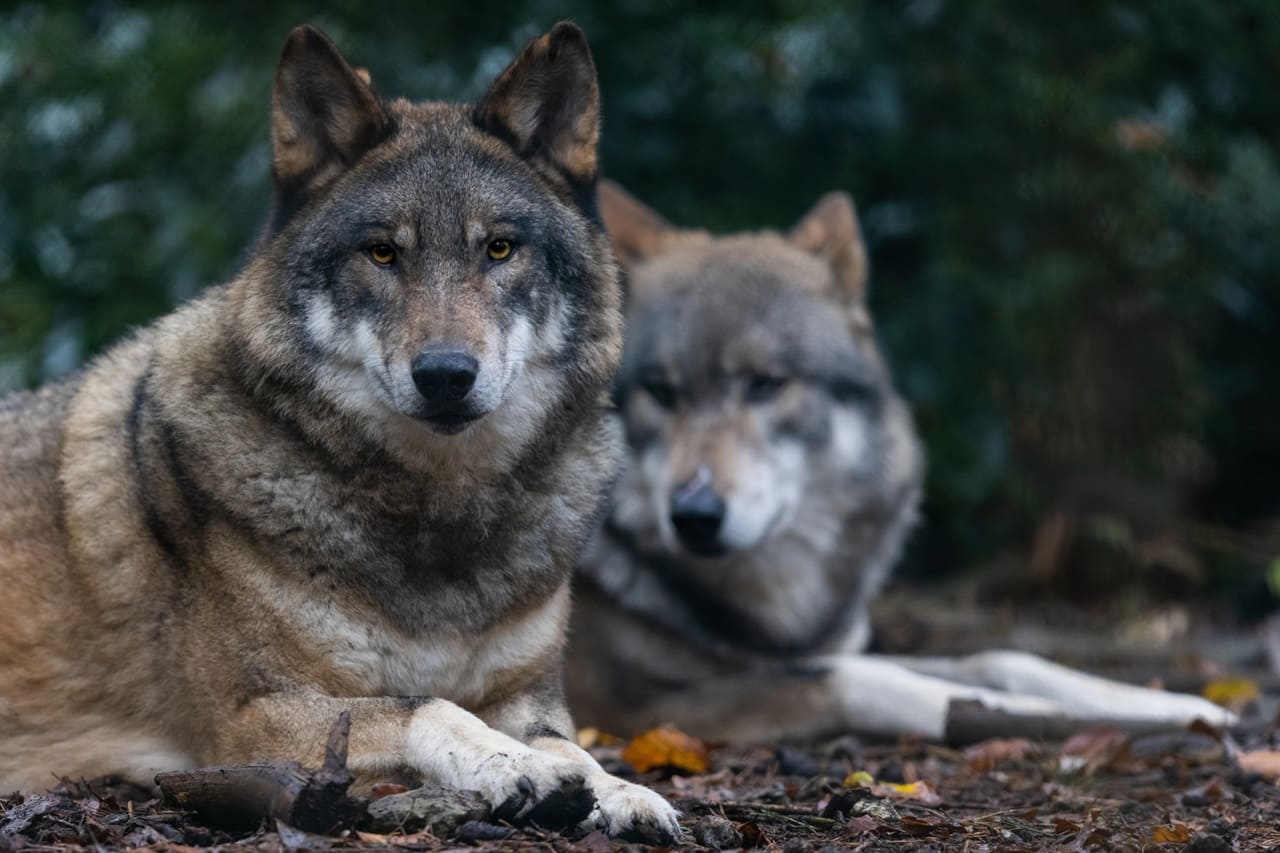
In the night before Tuesday, a sick wolf was shot in the canton of Thurgau. In recent weeks, the animal had killed several sheep in the cantons of St. Gallen and Thurgau, including in an open barn.


Images from camera traps had shown missing fur on the rear half of the animal's body, the Thurgau Hunting and Fisheries Administration announced on 18 February. This was why it had been suspected from the outset that the wolf in eastern Switzerland was suffering from a disease.
The wolf that had killed several sheep in various attacks in recent weeks in the border region of the cantons of Thurgau and St. Gallen in eastern Switzerland — most recently on 17 February in the Bischofszell area, where it tore apart another sheep in an open barn — had been ill. The suspicion had existed from the outset based on missing fur on the rear half of the animal's body, as images from camera traps showed. The wolf had already returned several times the previous week to the farm in the canton of St. Gallen where it had killed several sheep. There, numerous photographs and direct observations were obtained, confirming that its health had deteriorated drastically in recent weeks. In addition, the ever-shrinking radius of its home range also pointed to atypical behaviour.
After the sick wolf had returned during the previous night to its kill site in the Bischofszell area, it was put out of its suffering by the Thurgau Hunting and Fisheries Administration in cooperation with the St. Gallen wildlife wardens. The decision to shoot the wolf had been agreed in advance with the St. Gallen hunting authority. The wolf will now be examined by a veterinarian and genetically identified.
Where does the wolf in eastern Switzerland come from?
The decision to shoot the wolf was agreed in advance with the St. Gallen hunting authority. The sole reason for this was the illness, says Kistler. The number of livestock killed had no bearing on the decision. The wolf would have died from its illness sooner or later anyway, the head of the Thurgau Hunting and Fisheries Administration is convinced.
Whether the wolf was suffering from the skin disease mange, which is currently widespread among foxes in the canton of Thurgau, he cannot say at this time, explains Kistler. But there are certain similarities. The dead animal is now being examined and genetically identified. This should, on the one hand, determine the exact disease and, on the other hand, clarify the origin of the wolf.
More on the subject of recreational hunting: In the dossier The Role and Criticism of Recreational Hunters we shed light on the training, power and self-image of recreational hunters. What the research says about this is shown by Hunting fact-checked: the state of research.
The position of IG Wild beim Wild: IG Wild beim Wild rejects recreational hunting. Our model is the canton of Geneva, which has managed without recreational hunting since 1974: without hunting seasons, without hunting dogs, without driven hunts, without high seats, without the animal cruelty and crime that go hand in hand with hunting season elsewhere. What has worked there for over fifty years disproves every position paper by JagdSchweiz. An association that bases its policy on claims it refutes in its own documents is not a professional organisation, but a factory for misinformation.