Dogs pick up on chemical signals from humans
Dogs pick up on chemical signals from humans and respond to our emotions. New studies confirm the deep emotional bond.

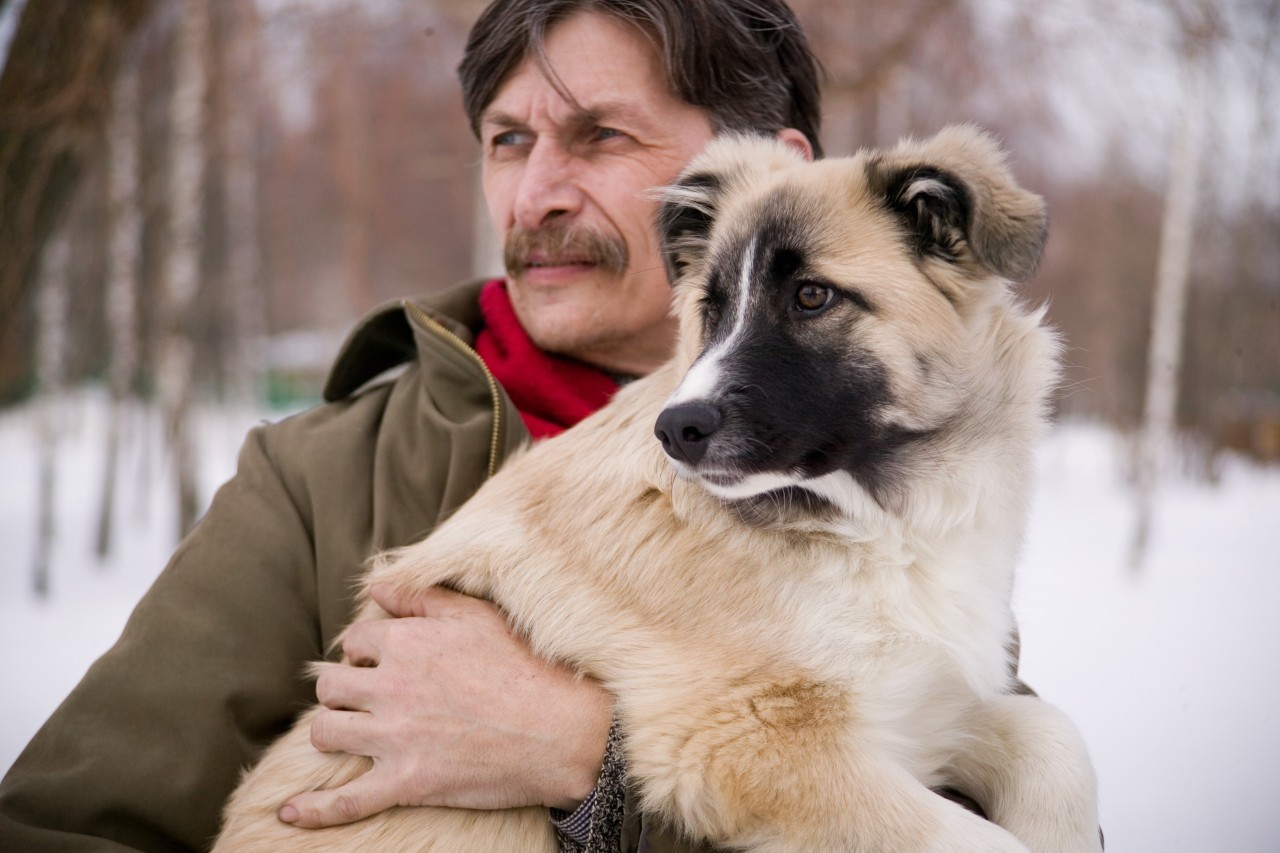
Dog owners might say that their dog understands them better than most people do.
What they don't know is that their dog probably understands them better than they realise themselves.
Researchers who have studied dog-human relationships have found that dogs can «pick up on» human emotions. Like children, dogs often look to their owners' faces for cues on how to respond to people and the world around them – a primitive form of empathy known as emotional contagion.
They also experience the release of oxytocin, one of the feel-good hormones characteristic of human bonding.
For years it was assumed that this development was an evolutionary necessity, as disagreeable dogs descended from wolves were weeded out by their new owners. But the reality is far more heartwarming than the idea that our furry friends simply bow to the whims of basic biological necessity.
Many factors influence the bond between a dog and its owner, including neural activity in the dog's brain and even changes in human body odour. A study published this year found that pet dogs and pack-living dogs and wolves show physiological differences when interacting with a person they are closely bonded to.
The pets released oxytocin, while the pack-living dogs and pack-living wolves did not, even though they clearly preferred to be with their person – which, according to the researchers, means that this particular bond is shaped by life experience rather than breed.
Furthermore, some dogs not only share our joy but also our fear. Another research group examined the concentration of the stress hormone cortisol and found that the cortisol concentration of herding dogs, compared to solitary hunting dogs and ancient, wolf-like breeds, correlated with that of their owner.
It was also observed that dogs react the same way we do when we encounter a crying infant: with a mixture of submissiveness and alertness, and one study has even shown that dogs can synchronize their behavior based on no fewer than six human facial expressions: anger, fear, happiness, sadness, surprise, and disgust.
An article in National Geographic describes how this could go both ways, because even though dogs' emotional capabilities are not as complex as ours, their rawness could theoretically rub off on us.
«I believe we also pick up on their emotions«, said Marc Bekoff, evolutionary biologist at the University of Colorado, to Nat Geo. «Sometimes it is easier to pick up on their fear and stress. But happy dogs are also easy to recognize when they come toward you with a wagging tail and ears pointing forward rather than back«.
Cascade effects of joy and stress are clearly visible in the world of dog owners. When a dog lunges at something or growls, it can stress or embarrass the owner – signals that the dog picks up on, further amplifying the stressful encounter.
Cascade effect
The term cascade effect is used as a metaphor for very different types of processes that unfold step by step in the manner of a cascade. When a process escalates across multiple stages and gradually intensifies, it is also referred to as a snowball effect.
On the other end of the spectrum, dear friends greeted at the door with kind words can excite a dog so much that it jumps up at the guests' legs, even though it has been trained not to do so.
The fact that we have shared a life and a home with dogs for tens of thousands of years has created a close bond between our species; a mutual dependence that has allowed both of us to thrive far better than we could on our own.