Debate on Regulating Predator Populations
On 3 June 2025, the Grand Council in Bern narrowly approved the counter-proposal of the Finance Committee (Fiko) to the popular initiative for a “regulable large predator population” — the so-called wolf initiative. The Finance Committee demanded that the population of predators must no longer be promoted. However, not all details have yet been resolved.

The popular initiative for a “Canton of Bern with a regulable large predator population” as well as the counter-proposal are rejected by the left.
Both proposals essentially interfere with existing federal law — they create no additional scope for action at the cantonal level.
Tobias Vögeli (GLP) states: “A cantonal initiative creates no new room for action — it only leads to legal uncertainty and false expectations.”
Animal welfare is a central concern for the GLP — these proposals, however, do not improve the protection of livestock and worsen that of wild-living predators.
Cantonal competence?
While the initiative provides for an amendment at the constitutional level, the counter-proposal would entail a change in legislation. Parliament agreed that the latter is more appropriate, although the SP, Greens and GLP also rejected the counter-proposal at the legislative level.
The Council was not in agreement, however, as to whether the regulation of the debate on predator population management falls within cantonal competence at all. “We are acting as if there were something to regulate regarding wolves under cantonal law,” said Casimir von Arx (GLP). But that is not the case. “The canton is already making full use of its room for manoeuvre.”
Andrea Rüfenacht of the SP parliamentary group shared this view. The debate, she argued, was taking place in the wrong house. “The federal government sets the rules; the canton implements them.” There was neither room nor need for action at the cantonal level, concluded Thomas Hiltpold (Greens). “Everything is regulated in the federal hunting ordinance. The canton is not responsible.”
The cantonal government had previously rejected both the initiative and the counter-proposal. The responsible councillor Christoph Ammann (SP) reaffirmed this position. A new constitutional article would have had virtually no effect, and an amendment to the hunting law would give the canton practically no competence.
He appealed to parliament, stating that resources for protection and advisory services as well as wildlife wardens would genuinely help the government. Ammann, too, went unheard. The council adopted the counter-proposal by 78 votes to 71. The SVP, FDP, Mitte and EDU voted unanimously in favour.
Only wolf and bear?
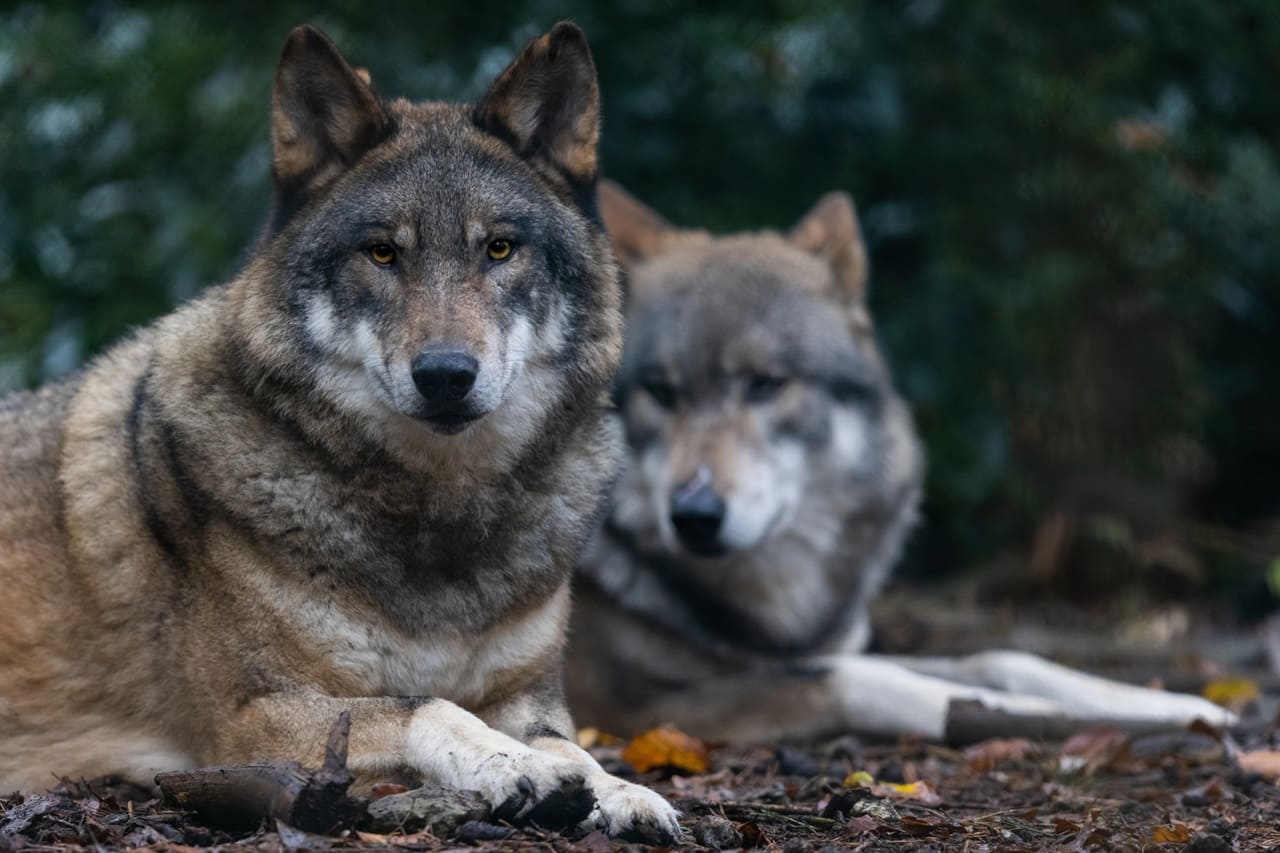
Parliament was divided on whether the new law should apply only to wolves and bears or also to lynx and golden jackals — the four predators present in the canton of Bern. It tasked the finance committee with carrying out the relevant clarifications. The law will be debated again in the Grand Council at a later date.
Undisputed, however, was the so-called sunset clause: the amendment to the law would only apply for eight years and would lapse thereafter.
Withdrawal of the initiative or referendum?
Whether a popular vote will take place remains unclear for the time being. The initiators indicated that they would withdraw their initiative should the council pass the counter-proposal unchanged, said Ueli Augstburger (SVP). That is more or less what it had done on Tuesday.
However, a referendum could be called against the counter-proposal — namely the amendment to the law on hunting and wildlife protection. The likelihood of this was considered “relatively high,” said Tobias Vögeli (GLP).
More on the subject of recreational hunting: In our dossiers on the criticism of recreational hunting gather fact-checks, analyses and background reports. The scientific evidence is presented in the overview Studies on the Effects of Recreational Hunting.
The position of IG Wild beim Wild: IG Wild beim Wild rejects recreational hunting. Our model is the canton of Geneva, which has managed without recreational hunting since 1974: without hunting seasons, without hunting dogs, without driven hunts, without high seats, without the animal cruelty and crime that go hand in hand with hunting season elsewhere. What has worked there for over fifty years disproves every position paper by JagdSchweiz. An association that bases its policy on claims it refutes in its own documents is not a professional organisation, but a factory for misinformation.