Hesse plans to expand raccoon hunting: criticism is growing.
PETA's motto is: Animals are not ours to experiment on, eat, wear, use for entertainment, or exploit in any other way. The organization campaigns against speciesism – a worldview that considers humans superior to all other living beings.


The Hessian State Court in Wiesbaden recently dealt with a lawsuit filed by the FDP parliamentary group, which is directed against the state hunting regulations that came into force in 2016.
The parliamentary group criticizes, among other things, the closed season for raccoons in Hesse, which runs from March 1st to July 31st of each year, during which there is no raccoon hunting.
The closed season is to be lifted.
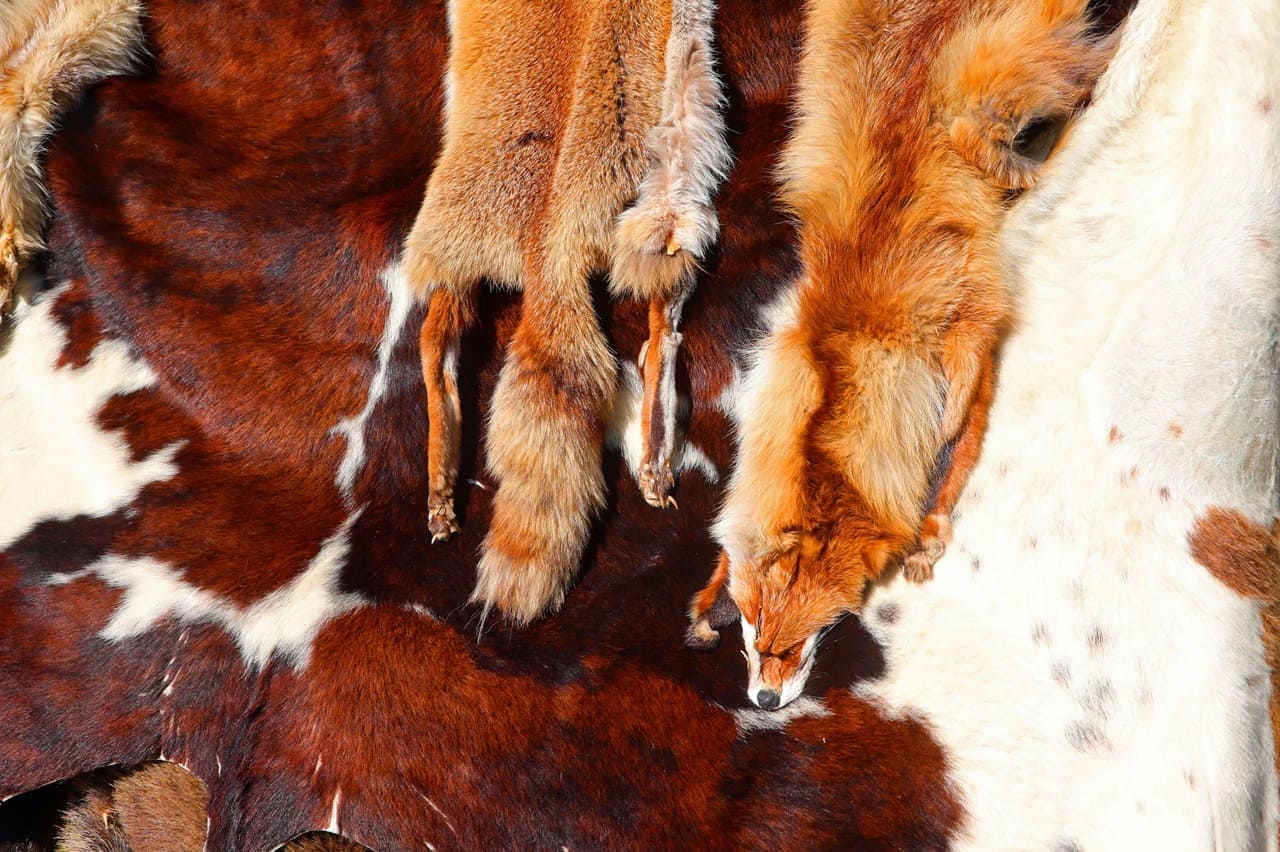
Environment Minister Priska Hinz has announced that raccoons will be hunted year-round. A final decision is expected on February 12, 2020. PETA criticizes this capitulation to the hunting lobby , emphasizing that hunting is not a suitable method for regulating wildlife populations , but rather has the opposite effect. Lifting the closed season during the breeding season will result in thousands of raccoon babies starving to death miserably in their nests in the spring. The animal rights organization considers this a violation of the Animal Welfare Act and strongly urges the Environment Minister to ban raccoon hunting altogether.
"It is unacceptable to suspend the closed season during the breeding phase just so that the amateur hunters from the FDP can indulge their bloodlust. Studies prove that raccoons do not cause any problems for endangered species; rather, they are being scapegoated by amateur hunters and certain politicians for failed agricultural and forestry policies."
Nadja Michler, wildlife expert at PETA.
The animal rights organization points out that leading raccoon experts have found that the animals respond to recreational hunting with increased reproduction. In hunted populations, the proportion of reproductive females is higher than in unhunted populations: the more raccoons are killed, the more offspring are born. In this way, the losses caused by hunting are quickly compensated for, or even overcompensated for, within the population.
Wildlife biologist and raccoon expert Dr. Ulf Hohmann also calls for a change of thinking:
"I don't know a single scientist or hunting expert who seriously believes that hunting methods can control the animals. We simply have to accept that the raccoon feels at home here and that we cannot regulate its population. Therefore, we have to learn to live with it."
Dr. Ulf Hohmann
Long-term research by leading raccoon experts indicates that raccoons do not pose a significant threat to nature and biodiversity . The animals generally feed primarily on easy prey such as earthworms, insects, and fruit. Humans are primarily responsible for population declines in affected species, such as the European pond turtle. Habitat loss due to river straightening and the deadly threat of road traffic have driven these reptiles to the brink of extinction.
Raccoon hunting is unnecessary from a wildlife biology perspective.
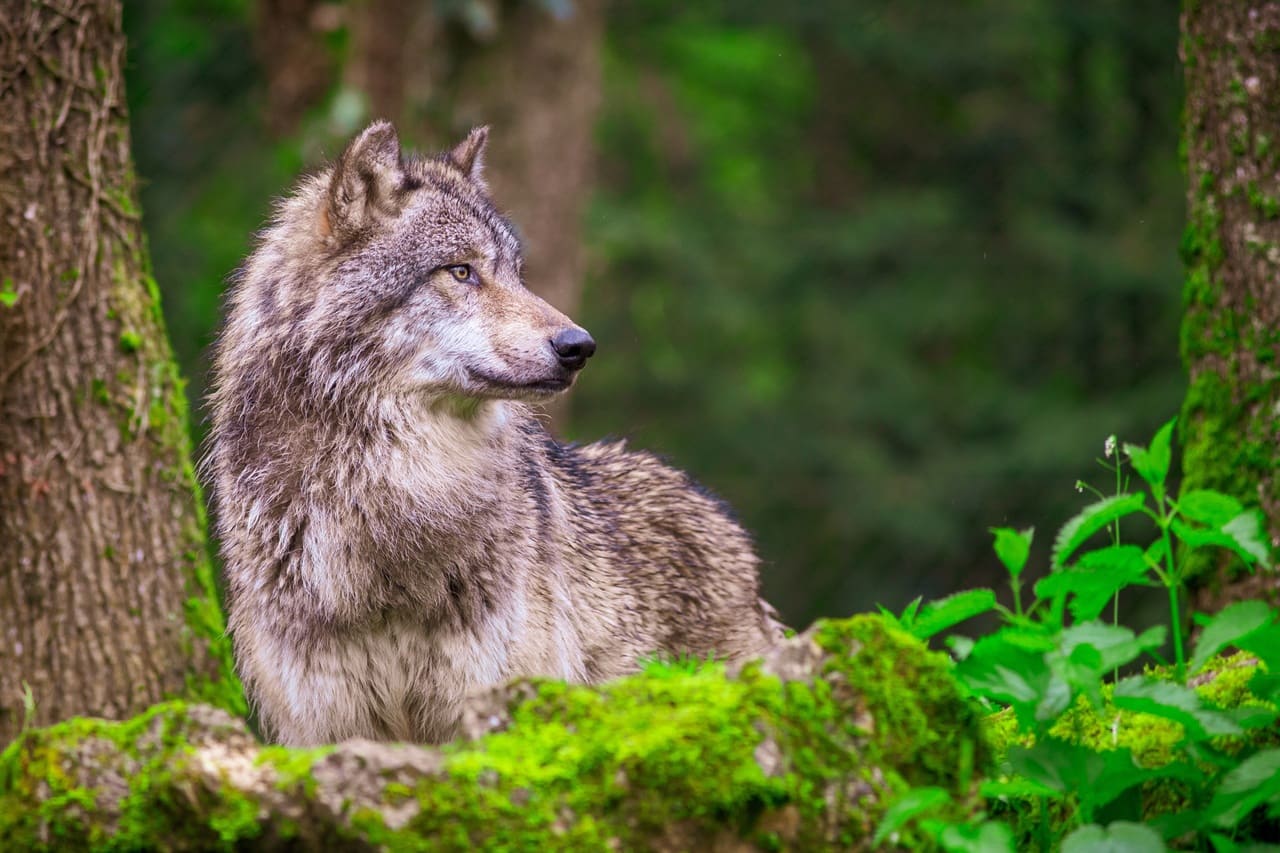
Recognized wildlife biologists agree that there is no ecological necessity for hunting raccoons. According to the renowned biologist Prof. Dr. Josef Reichholf, the nearly extinct wolves do not need to be replaced by human recreational hunters, as the animal populations living in the forest are naturally regulated by environmental factors such as weather, food availability, and disease.
Geneva model as a role model
The canton of Geneva , where recreational hunting has been banned for over 45 years, is just one example. Here, nature primarily regulates itself. The result: high biodiversity and healthy, stable wildlife populations.
Biologist Dr. Karl-Heinz Loske views hunting as merely a superfluous hobby that serves to satisfy the hunting instincts of amateur hunters. When he obtained his hunting license as a young man, he quickly realized that it had little to do with nature and species conservation. Today, Dr. Loske is a recognized expert in landscape ecology, for whom hunting is neither ecologically nor morally justifiable.