Denmark: Fur farms are tormenting wild animals again
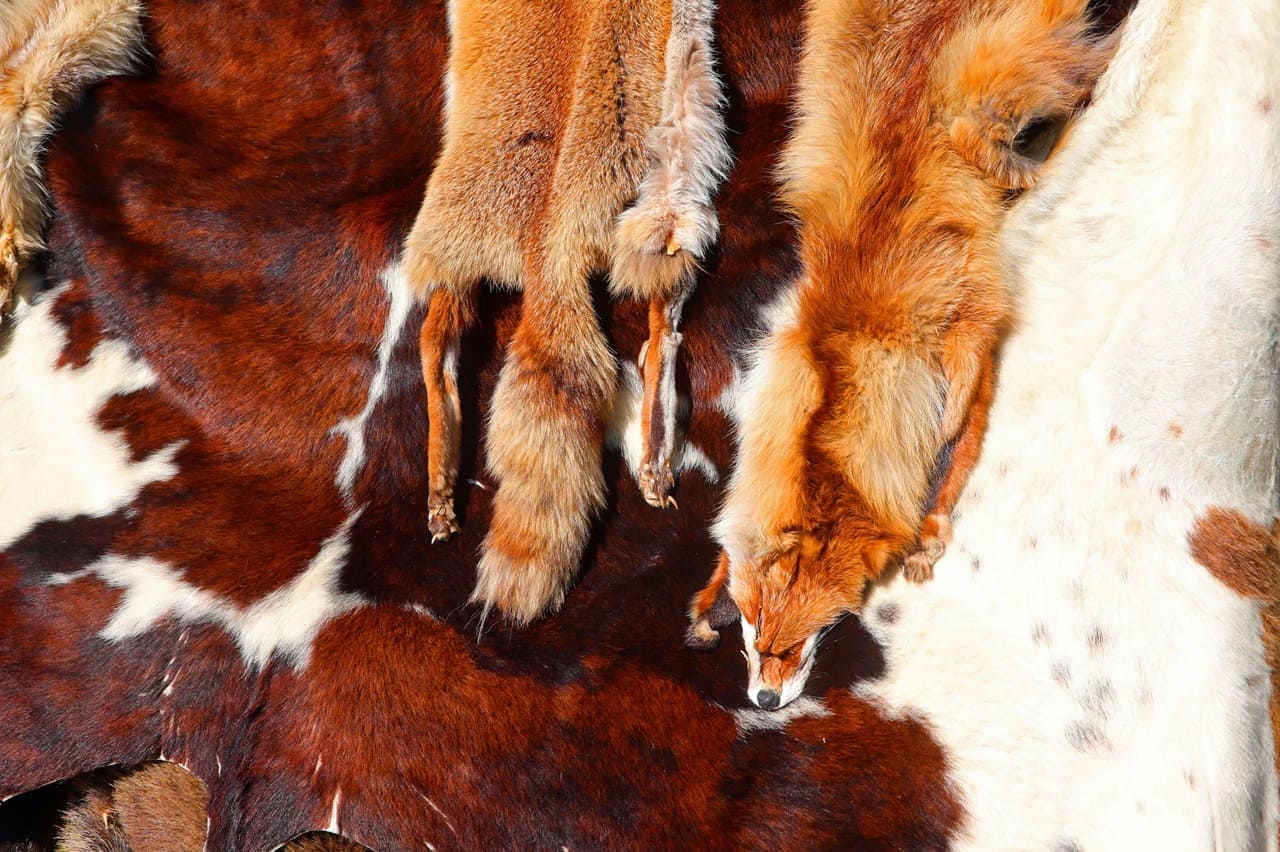
Many European countries have already turned their backs on mink farming. In Denmark, a bad dozen or so farms with around ten thousand animals now want to try once again to re-enter the business.


The return of mink farming
Fur farms across Denmark are resuming operations after having temporarily suspended them due to the COVID-19 pandemic.
Animal welfare advocates had at the time still hoped that the country would completely abandon the bloody trade in so-called cruelty fur.
Some breeders have switched to other areas of agriculture, now cultivating grain or strawberries, while others have left their farms entirely — but around twelve operations now want to continue.
Animal welfare advocates criticise mink farming as incompatible with the species' nature, since mink are wild animals from the mustelid family — that is, predators. Yet they are kept like livestock, typically several together in small cages.
Mutated coronaviruses in mink farms
A so-called trial operation is set to take place in the country until April.
In 2020, mutated coronaviruses were detected in some infected animals on Danish mink farms. This mutation was initially identified in animals from around 160 fur farms.
In November 2020, Danish health authorities decided that around 15 million animals should be culled — that is, killed as a precautionary measure — in order to prevent the spread of the virus and its reverse transmission to humans.
Political consequences and the future
However, there was no legal basis for culling healthy animals, which led to Agriculture Minister Mogens Jensen losing the support of parliament. As a result, he decided to resign from his position.
Before COVID, Danish mink producers prided themselves on producing the finest pelts. However, breeders note that it could take up to 15 years to achieve the same or even better pelt quality through selective breeding. Mink farms hoped to develop niche products of very high quality through breeding, which they could then sell at correspondingly higher prices.
| You can help all animals and our planet with compassion. Choose empathy on your plate and in your glass. Go vegan. |
More on the subject of recreational hunting: In the dossier The Role and Criticism of Recreational Hunters we shed light on the training, power and self-image of recreational hunters. What the research says about this is shown by Hunting fact-checked: the state of research.
The position of IG Wild beim Wild: IG Wild beim Wild rejects recreational hunting. Our model is the canton of Geneva, which has managed without recreational hunting since 1974: without hunting seasons, without hunting dogs, without driven hunts, without high seats, without the animal cruelty and crime that go hand in hand with hunting season elsewhere. What has worked there for over fifty years disproves every position paper by JagdSchweiz. An association that bases its policy on claims it refutes in its own documents is not a professional organisation, but a factory for misinformation.