Cows get high on industrial hemp
A significant concentration of cannabinoids also passes into the milk.

A research team from the German Federal Institute for Risk Assessment recently found that cows fed silage made from industrial hemp — a common component of animal feed — showed increased yawning, salivation and restless movements, which are potential indicators of cannabinoid poisoning. These compounds could also pass into the milk produced by the animals, with some samples showing high levels that could affect human health, writes dailymail.com.
«Our study shows that feeding cannabinoid-rich industrial hemp silage made from leaves, flowers and seeds to dairy cows leads to a decline in feed intake and milk yield. A transfer of cannabinoids into food of animal origin is conceivable when by-products of hemp production and the whole plant are used as feed,» the authors stated.
Rising demand for industrial hemp
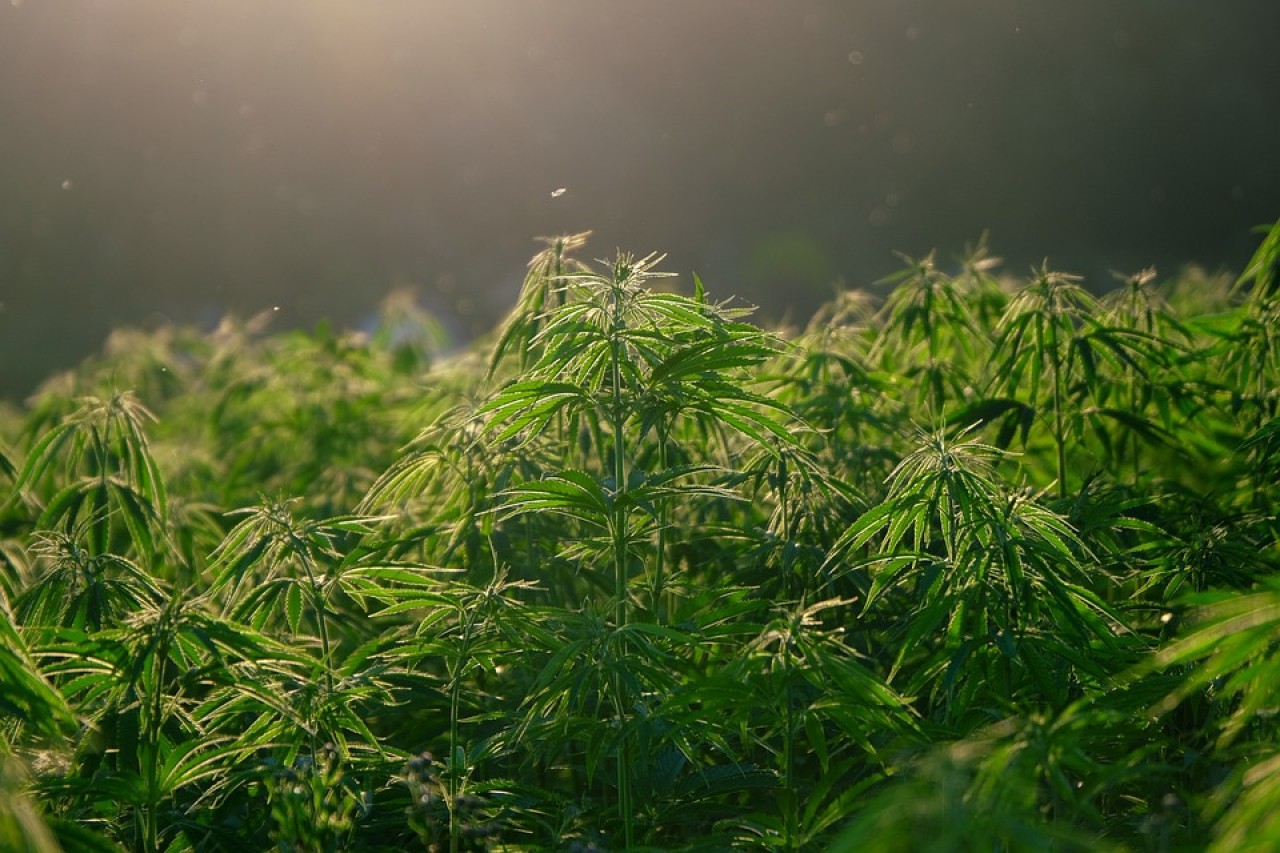
Due to recent changes in global cannabis regulations, demand for industrial hemp is currently rising for a wide variety of uses, including insulation materials, the development of textiles, paper, ropes, bioplastics and biofuels, as well as widespread use as animal feed. Since hemp contains cannabinoids such as tetrahydrocannabinol (THC) and its derivatives, it can produce psychoactive effects in animals that consume it.
Study involving ten lactating cows
To test the effects of industrial hemp on dairy cows, the researchers began by adapting ten lactating Holstein-Friesian cows, replacing up to 0.92 kilograms of the corn silage they normally consumed with low-THC industrial hemp silage. The cows were then divided into two groups and received either 0.84 kilograms or 1.68 kilograms of high-THC hemp silage per day. During the study period, the scientists measured the cows' feed intake, milk yield, heart and respiratory rates, and body temperature, and also recorded behavioral changes such as muscle tremors, hypersalivation, or changes in coordination.
While the low-THC variety had no effects on the cows during the first phase of the experiment, both doses of the high-THC variety led to significant behavioral changes. In addition, from the second day of exposure, the cows reduced their feed intake and milk yield. Using laboratory separation methods and computer models, the scientists measured the quantities of cannabinoids transferred from the feed into the milk, and discovered that despite a transfer rate of less than one percent, the large quantities of feed consumed by the cows meant that considerable amounts were also present in the milk.
Criticism of the Animal Industry
Animal rights advocates sharply condemn the administration of hemp silage with a high proportion of cannabinoids. The fact that the sensitive animals, at high doses, yawned more frequently, produced increased saliva and nasal secretions, and even staggered, does not represent a valuable scientific gain in knowledge. Rather than researching new food sources for the animal industry, the government should invest research funds in a meaningful way. That the Federal Institute for Risk Assessment (BfR) is administering drugs to cows so that these social mammals can be exploited even more efficiently in the future is immoral and a brazen waste of taxpayers' money.
Instead, the federal government should commission studies that identify the fastest possible path to phasing out animal husbandry, thereby ending unnecessary animal suffering. The dairy industry separates mothers from their young, fattens the male calves and slits their throats after often only a few months of life. Mother animals suffer enormously on a psychological level and are physically drained for years by unnaturally high and prolonged milk production, as they are repeatedly impregnated by force. Ultimately, the cows exploited for milk are also mercilessly killed in the slaughterhouse, long before they have lived out their natural lifespan. Cows suffer and die for milk — and no amount of cannabis can make that reality seem more palatable. More on this in the Animal Rights section.