May Turnip: A Tender Early Riser from Switzerland
The may turnip grows exceptionally quickly. Sown in spring, the harvest begins as early as April and May.


May turnips need only 6 to 8 weeks from sowing to harvest.
Vegetable gardeners sow the may turnip in spring and it is ready to harvest as early as May. The season in Switzerland lasts until June.
The may turnip is closely related to the autumn turnip. However, it remains smaller than its autumnal relative. The vegetable, also known as Nevette or Navet, reaches a diameter of approximately 5 to 10 cm. The smaller they are, the more tender they taste. The may turnip has a white skin and is partly tinged with purple at the top; some are entirely white. In Switzerland in 2021, autumn and may turnips were cultivated on an area of around 30 hectares, just over 8 hectares of which were under organic farming.
More tender than its relative
The flesh is white and tastes more tender than that of the autumn turnip. Those who peel the may turnip can also eat it raw. The leaves of the turnip are also palatable and can be used like spinach. May turnips are rich in carotene and vitamin C and contain other important vitamins and nutrients. Find out more about plant-based nutrition here.
The turnip was already known in antiquity. But like several other varieties, it was almost displaced by the rise of the potato. You can find more fascinating articles in our category Education.
| You can help all animals and our planet through compassion. Choose empathy on your plate and in your glass. Go vegan. |
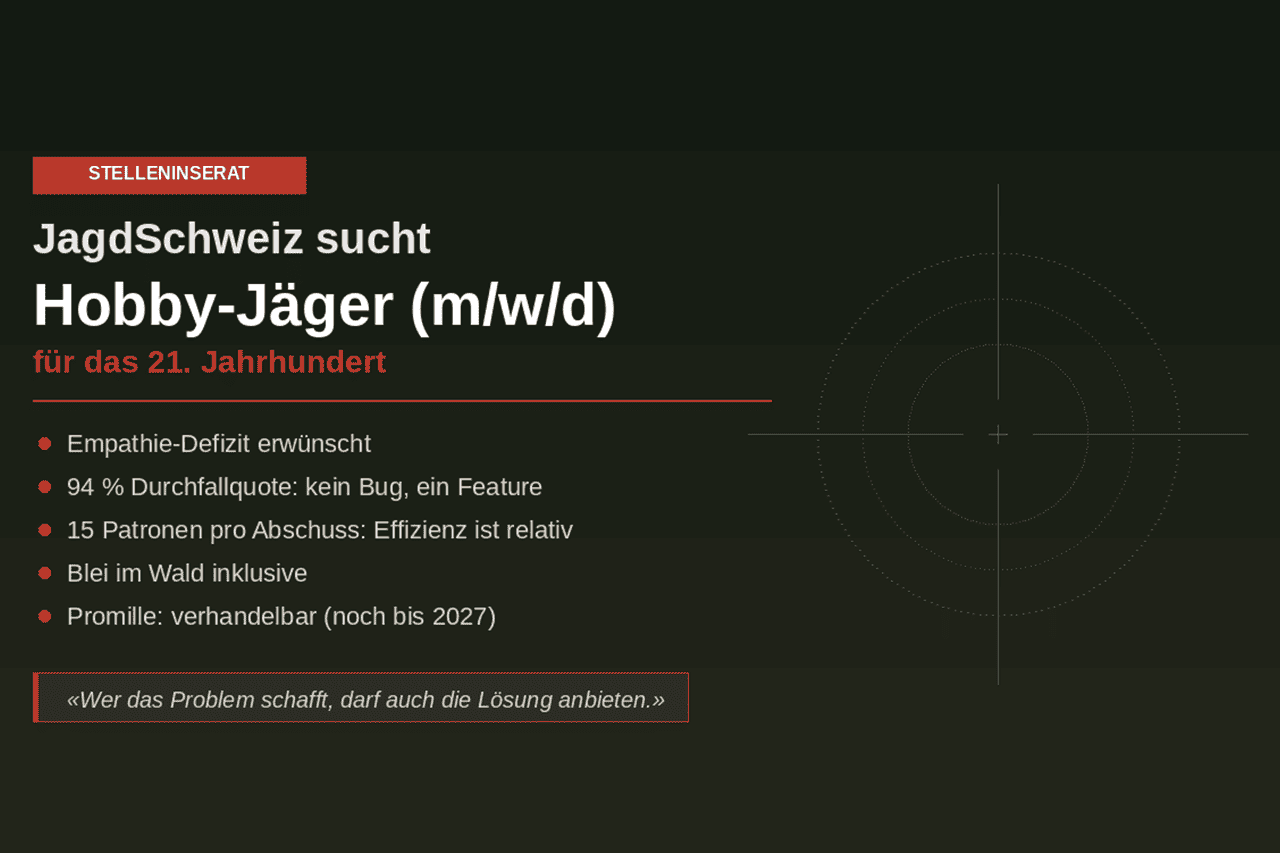
More on the subject of recreational hunting: What the research says about this is shown by Hunting fact-checked: the state of research.
The position of IG Wild beim Wild: IG Wild beim Wild rejects recreational hunting. Our model is the canton of Geneva, which has managed without recreational hunting since 1974: without hunting seasons, without hunting dogs, without driven hunts, without high seats, without the animal cruelty and crime that go hand in hand with hunting season elsewhere. What has worked there for over fifty years disproves every position paper by JagdSchweiz. An association that bases its policy on claims it refutes in its own documents is not a professional organisation, but a factory for misinformation.