Controversial Culling of Koalas in Australia Following Bushfires
Koalas are among Australia's most beloved animals – and are threatened in many areas. Now, hundreds have been shot from the air in the wake of bushfires.

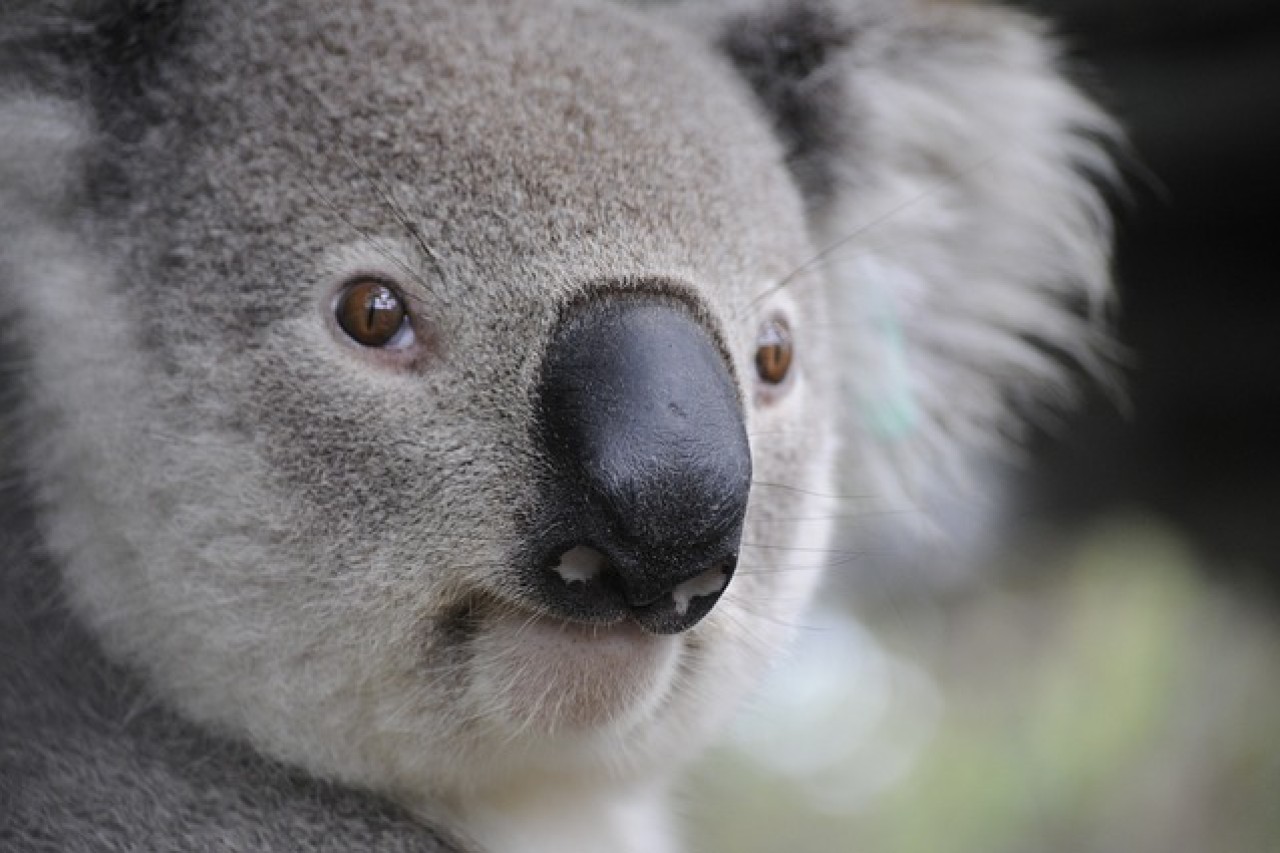
Fierce debate has erupted in Australia after authorities shot approximately 700 koalas from helicopters in a national park. While the government of the state of Victoria describes it as an act of mercy for the marsupials, many animal welfare advocates are outraged.
“This is not care. This is not conservation. This is a national disgrace,” railed the animal welfare party Animal Justice Party.
What happened?
A devastating bushfire had previously destroyed large parts of Budj Bim National Park, approximately 270 kilometres west of Melbourne. According to reports, the flames consumed around 2,200 hectares of the roughly 5,400-hectare area – including many manna eucalyptus trees, an important food source for koalas, which also burned. Many animals sustained burns and other serious injuries.
The aerial culling was aimed at sparing the affected animals further suffering, the Australian Guardian quoted biodiversity commissioner James Todd as saying. “Due to the direct impacts of the fire, the poor health and low survival prospects of many animals as a result of the ongoing drought and food shortages following the fire, many animals had to be euthanised,” he stressed.
Koalas – or “Phascolarctos cinereus” – are endemic to Down Under. They spend most of the day sleeping in trees and feed exclusively on eucalyptus leaves.
Aerial culling as a new method
Animal welfare advocates are now criticising above all the manner in which the animals were selected and killed. The selection of koalas based solely on aerial footage and from a distance is new to Australia and has not been tested until now.
"The decision for this method was not taken lightly," said Todd. The government had consulted experienced veterinarians and wildlife experts. In addition, the animals had been approached from the air as closely as possible, and their health assessed using binoculars, among other means.
Other methods had ultimately been ruled out given the extremely difficult terrain. Koalas also tend to shelter high up in the branches of fire-affected trees, which would have posed a safety risk. There had been only two options, Todd explained: Simply watching the animals' condition deteriorate, or taking proactive measures to end their suffering.
"Simply slaughtered"
Many animal welfare advocates see it differently. After fires, difficult decisions regarding animal welfare are unavoidable, and minimising animal suffering must remain the priority, the organisation "Humane World for Animals" stated. "However, we cannot allow aerial shooting to become standard practice," said Evan Quartermain from the NGO's Australian branch.
Assessing an animal's condition from a distance is extremely difficult. It is also likely that many dependent young have now been orphaned from their mothers. It would have been far better to conduct search and rescue operations for injured koalas in order to carry out more thorough veterinary assessments, Quartermain emphasised.
The Animal Justice Party expressed its horror in more drastic terms. The party stated that the koalas had simply been slaughtered. "The Victorian government approved this brutal cull," it said. "Injured and displaced koalas were shot from the sky — without transparency, without accountability, without mercy."
Aren't koalas endangered?
According to the Australian Koala Foundation, there are likely no more than 60,000 koalas remaining in the wild — a dramatic decline compared to the millions of individuals that once populated Australia at the beginning of the last century. For a long time, the cuddly animals were hunted for their fur, which in some places brought them almost to the brink of extinction.
While some states such as New South Wales and Queensland on the east coast have great concern about population numbers — due to natural disasters, land clearing, and traffic accidents — the situation in the regions of Victoria and South Australia is different: according to experts, there are in some areas too many koalas and too few trees as habitat.
The horrific 'Black Summer'
During the devastating bushfires of the 'Black Summer' just over five years ago, more than 60’000 koalas were estimated by the WWF to have been killed, injured, displaced, or traumatised. Images of animals with singed fur and burned paws circulated around the world at the time.
In 2022, several states officially upgraded the threatened status of the endearing marsupials from 'vulnerable' to 'endangered'.