Climate Change: Spring Is Coming Too Early for Roe Deer
Climate change is causing vegetation to sprout earlier. For hobby gardeners, that's a pleasant development — for roe deer, less so. By the time roe deer fawns are born, the season of tender young plants that are so beneficial for the young animals is now increasingly already over.


Climate change is causing vegetation to sprout earlier. For hobby gardeners, that's a pleasant development — for roe deer, less so. By the time roe deer fawns are born, the season of tender young plants that are so beneficial for the young animals is now increasingly already over.
Wild animals give birth at the time when environmental conditions allow for optimal reproductive success.
Botany and Zoology Are Drifting Apart
Roe deer fawns are therefore born at the beginning of the growing season. Since this now increasingly precedes the roe deer's traditional birthing period, nursing does search in vain for the easily digestible young plants that make their milk so nourishing.
The overlap between the period of optimal food availability and the roe deer's fawning season is becoming increasingly rare, as a study led by Kurt Bollmann, wildlife biologist at the Swiss Federal Institute for Forest, Snow and Landscape Research WSL, demonstrates. While synchronicity between vegetation and roe deer births remains optimal at higher elevations, botany and zoology are drifting apart in the lowlands.
Daylight Is to Blame
The WSL research team compared data from the past 45 years. During this period, the onset of vegetation has shifted forward by 20 days and the first hay cut by 14 days. Roe deer have been far from able to keep pace: their fawning dates shifted by only three days over all those years. Across all elevations, fawning dates thus changed seven to five times more slowly than vegetation.
"One reason for the slow adjustment of fawning dates is the fact that roe deer reproduction is governed by the day/night ratio. This does not change as a result of climate change», the research group explains in a communiqué released over the weekend. Climate change is one of the greatest threats to biodiversity.
Are roe deer moving to higher elevations?
The situation is not yet dramatic. «Thanks to the relatively small-scale and mosaic-like cultivation of various agricultural crops that grow at different times, roe deer still find sufficient food even after the optimal conditions in the meadowlands,» says Bollmann. It is possible, however, that roe deer may become less common in the Swiss Plateau in the future and increasingly populate the hilly and mountainous areas, where vegetation development begins later and thus aligns better with the fawning period.

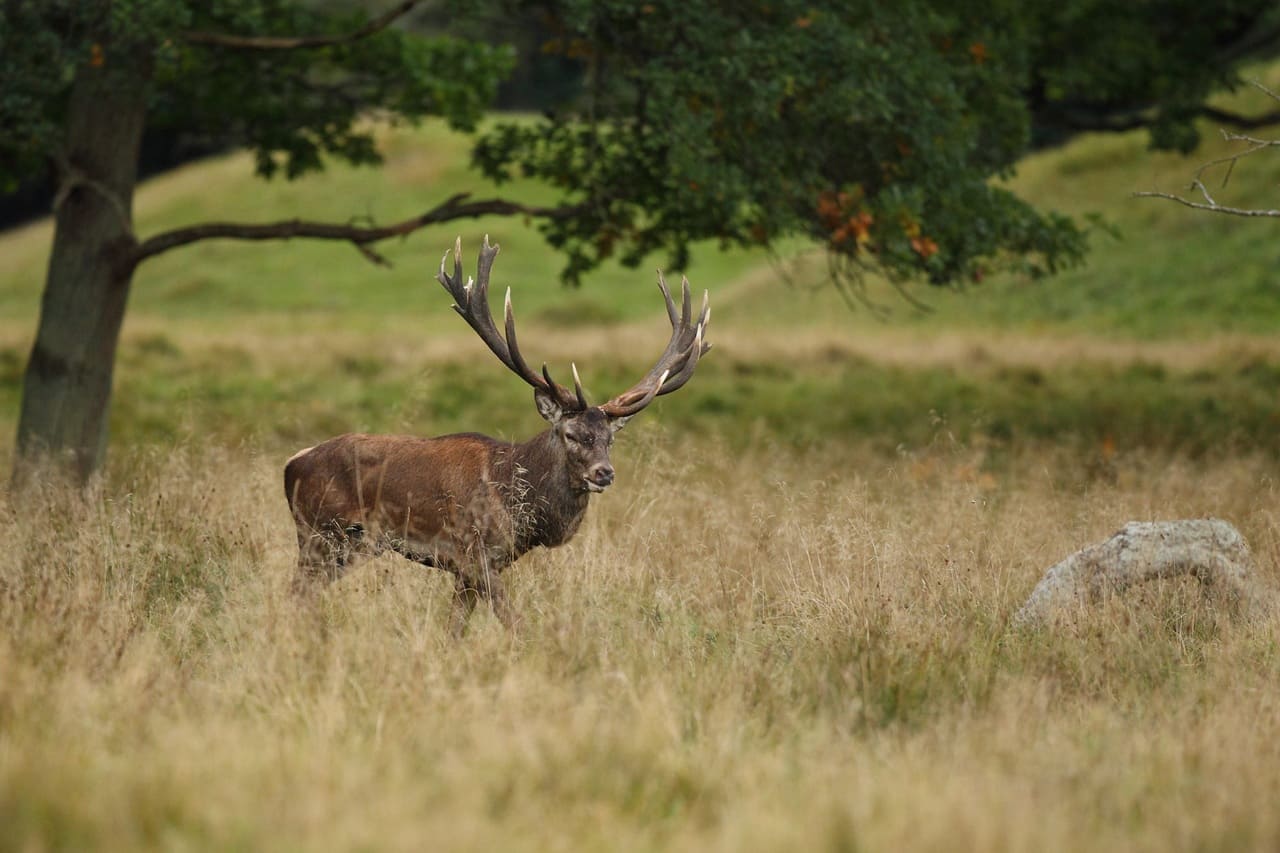
The earlier onset of vegetation alters the food supply for roe deer during the fawning season. They may increasingly retreat to higher elevations. Photo: Josef Senn, WSL
Whether the discrepancy between fawning time and meadow development ultimately affects population numbers depends not only on the management of other agricultural crops, but also on winter weather conditions and conditions during the rearing period. The researchers therefore recommend continuing the roe deer fawn monitoring programme — practised since 1971 using ear tags — and intensifying it in lower-lying areas: «This way, population changes in roe deer can be detected early and wildlife management adjusted accordingly,» says Rehnus, lead author of the study.