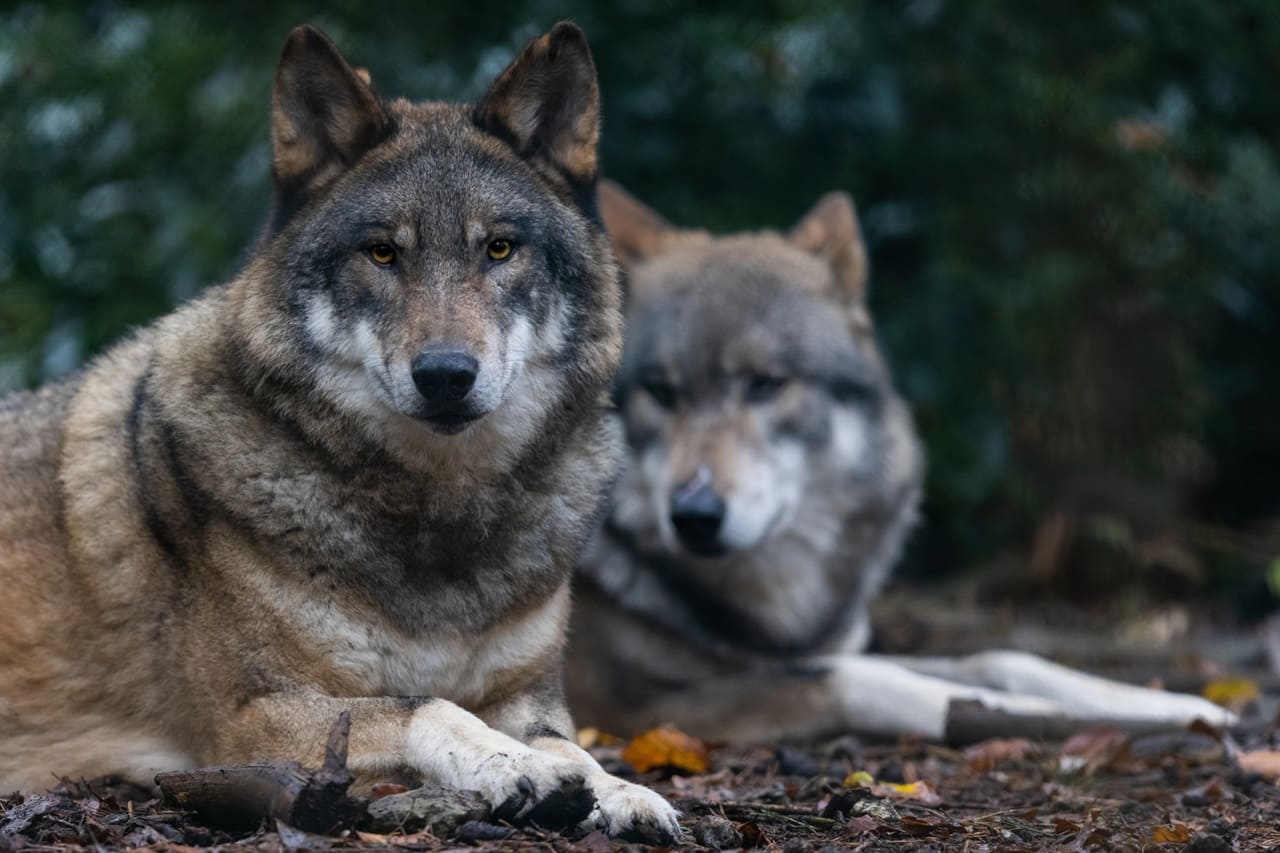
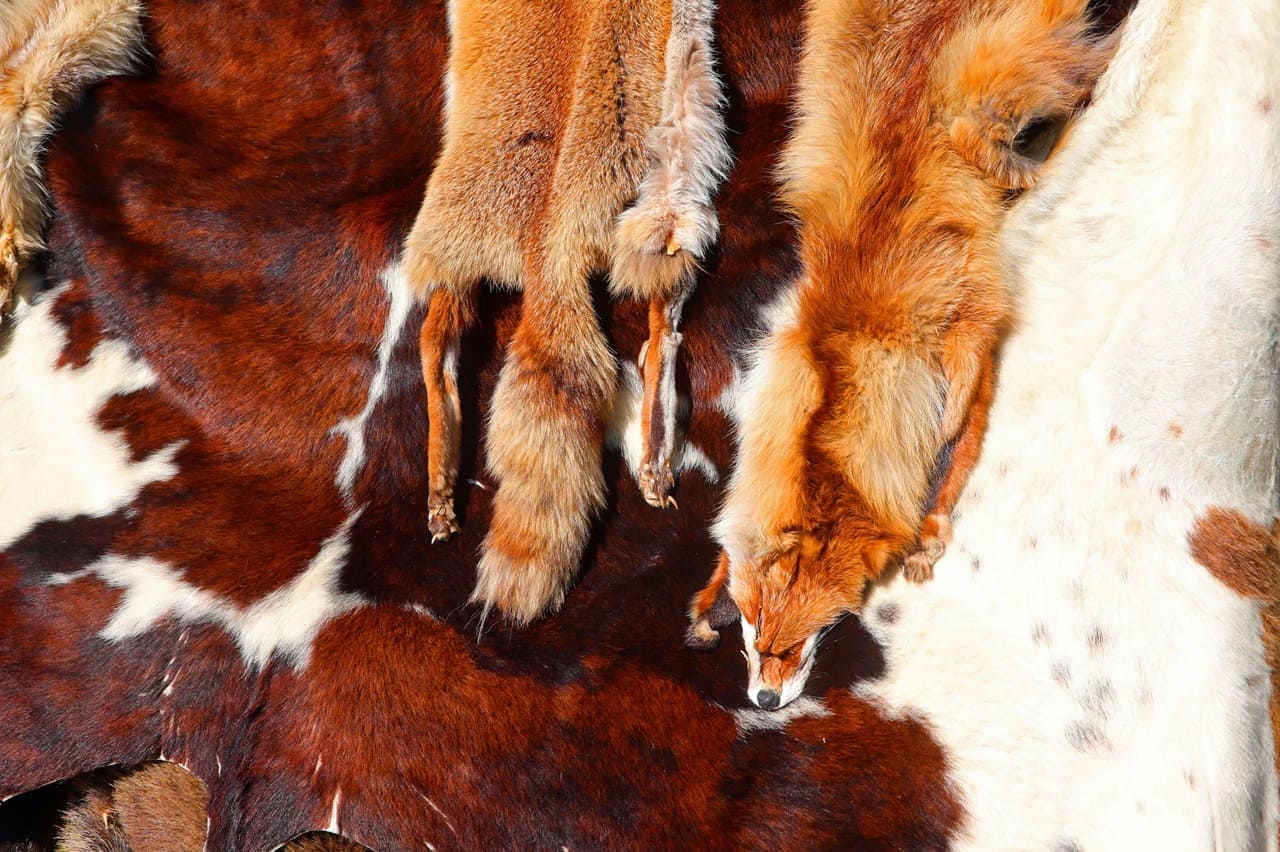
Character: Recreational hunting needs to be regulated
Regulations exist primarily for people, not for animals.

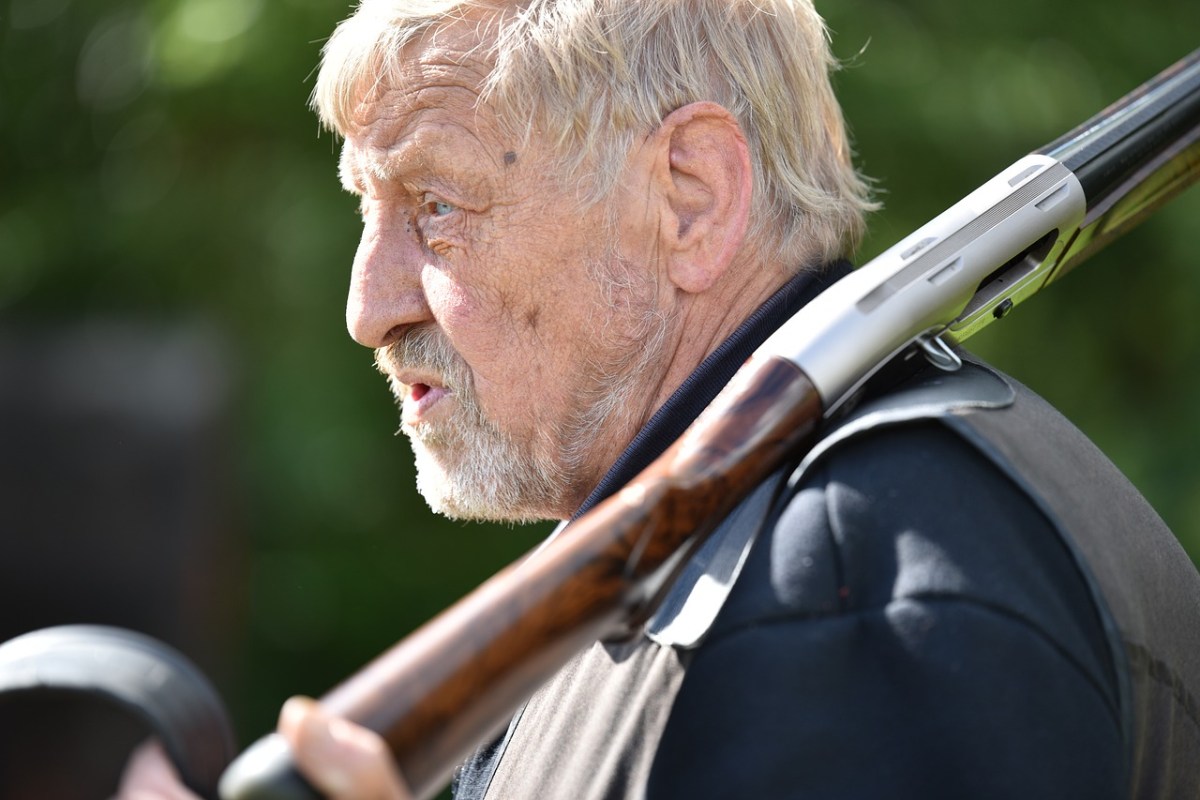
«Who checks whom»
When an animal behaves incorrectly in road traffic, it is not punished for it. Nor is it punished for crossing a national border without a passport. Non-violence is a cornerstone and hallmark of a civilised society. It brings perfection and good character to a society and cultural landscape.
It is assumed that souls in human bodies and in animals do not differ in their essential nature. Therefore, non-violence as a binding rule of conduct protects animals just as much as it protects people.
Non-violence distinguishes humans from predators in the animal world. Most wild animals are vegan. Recreational hunting and slaughter are associated with violence.
True peace is characterised by the absence of violence. Non-violence enhances the quality of life of all involved. This applies not only to fellow human beings, but to every form of life. Living from products such as fruits, nuts, etc., whose cultivation is possible without destroying the plant, is also non-violence. Non-violence is the sublime expression of the higher human nature. The tendency of lower human nature to assert egoism leads to exploitation, hardening, heartlessness, insults, abuse, fights and quarrels. These are expressions of a false attitude. Recreational hunters literally walk over dead bodies.
Recreational hunters, false appearances and character
Recreational hunters display an extremely distorted understanding of what we call facts, for example when it comes to fox hunting. Ordinary people genuinely struggle to comprehend this, because facts are a fundamental part of our lives. We live by them, base our judgments and decisions on them. We establish facts, then test things and establish further facts. When we engage in discussion, we begin with facts and show how we derive our conclusions from them. In doing so, we assume these facts to be true — that is, that they can be mapped onto reality.
Recreational hunters rarely do anything of the sort. Because they lack the depth of genuine emotions such as devotion, they have virtually no attachment to the concept of truth and integrity in their character. The psychology of recreational hunting reveals a disturbing pattern.
The recreational hunter is so entirely self-centred that he believes others should take him at his word simply because he says so. Even if he were to notice that he is lying, his need to be right, combined with his inability to engage in any self-critical thought, will convince him that he is right regardless. He is “simply” telling the truth. How dare these people question his good reputation? After all, he is the smartest fellow he knows — so why should he be wrong?
A recreational hunter will become an expert at fabricating “facts” that lead ordinary people to believe something that serves the recreational hunter’s interests. He attempts to create a reality that should not exist at all.
When an ordinary person demands that a recreational hunter’s claims should be verified, the recreational hunter will respond by asserting that anyone making such a demand lacks integrity.
Animal welfare advocates as a driving force
Experience has shown that what we say and what we point out — regardless of the mountains of facts presented — simply does not count for recreational hunters. They have only one objective: to make us believe we should regard them as ordinary people, so that they may continue to deceive, control, and exploit us in the service of their own power and glory. For that is what makes them feel good.
Recreational hunters are incapable of doing anything genuinely creative. They depend on people with conscience and developed character to accomplish anything creative. It is therefore no surprise that, in the past, it was repeatedly animal welfare advocates who set the course for improvements in wildlife protection. Recreational hunters have always responded reluctantly to progressive initiatives. Common sense led to greater wildlife protection in hunting practices — for example, through the abolition of steel-jaw traps and the hunting of birds with limed sticks. Animal welfare advocates were the driving force behind restricting hunting seasons and reducing the number of huntable species. To prevent the extinction of species, animal welfare advocates imposed on recreational hunters a moral obligation of stewardship. It was also advocates who brought the entire issue of ammunition to the table. The ethics of recreational hunters have traditionally always lagged behind the spirit of the times.
The Geneva Model as a Blueprint
When dealing with recreational hunters, one is dealing with a kind of criminal mindset, and when such mindsets occupy positions of absolute power — as they do today — there is almost nothing that restrains them, and seemingly nothing holds them back in their domain except animal welfare advocates.
When a recreational hunter is frustrated, he appears to feel that the entire world is against him and that he himself is good and greatly suffering, yearning only for the ideal of love, peace, security, beauty, warmth, and comfort. That is to say, when a recreational hunter is confronted with something unpleasant or threatening, the object in question — whether a person, animal, idea, group, or anything else — is placed into the category of “absolutely evil,” because if the recreational hunter cannot stand it, then it simply cannot be good!
The entire false ideology and ethics of hunting are irrelevant. They serve merely as a cover and as a rallying point for a small percentage of the population. Recreational hunting is always also a form of war. The recreational hunter with an unstable character believes the ominous slogans of his peers and is incapable of looking behind the mask. Recreational hunting and war alike invariably bring out the worst in people.
Systemic evil originates from a small group of people who apparently have no conscience: either because they were born that way — meaning they have a genetic and familial handicap — or because, due to injuries in their youth or upbringing, their conscience has died or withered away.
Even the self-proclaimed patron saint of recreational hunters, Hubertus, speaks out against recreational hunting. Recreational hunters need to be limited.
We commend Canton Geneva for its professional wildlife management without recreational hunters, but with upright game wardens. In Geneva, foxes, martens, badgers, etc. are also not regulated simply because it is hunting season and misguided individuals want to pursue a hobby. This is also reflected in the federal hunting statistics. Typical Swiss values such as safety, animal welfare and ethics are the guiding principle in Geneva.
More on the subject of recreational hunting: In the dossier Psychology of recreational hunting we put research, motives and social consequences into perspective. The scientific evidence is presented in the overview Studies on the Effects of Recreational Hunting.
The position of IG Wild beim Wild: IG Wild beim Wild rejects recreational hunting. Our model is the canton of Geneva, which has managed without recreational hunting since 1974: without hunting seasons, without hunting dogs, without driven hunts, without high seats, without the animal cruelty and crime that go hand in hand with hunting season elsewhere. What has worked there for over fifty years disproves every position paper by JagdSchweiz. An association that bases its policy on claims it refutes in its own documents is not a professional organisation, but a factory for misinformation.